
Buying guide for back-to-school tech shopping

When buying back-to-school tech devices, it's best to do your homework.

August 27, 2014 at 6:37PM
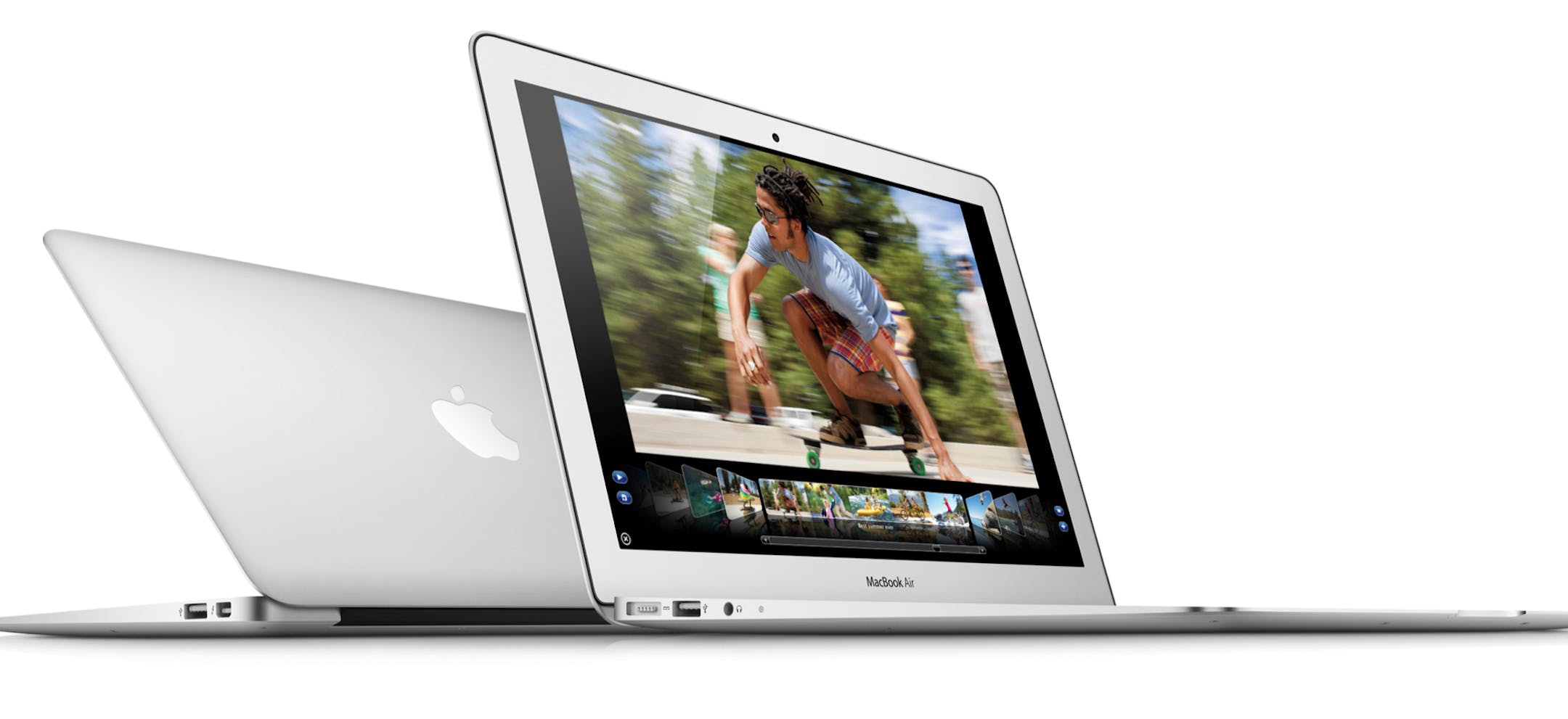
The 13-inch MacBook Air has new Intel CPUs, better battery life, an improved 720p Webcam, and finally adds USB 3.0 ports, while shaving $100 off the price of last year's models. (Apple/MCT) ORG XMIT: 1133744
MacBook Air (The Minnesota Star Tribune)

Cutting the cord might be a little easier if everything weren't wireless.

For parents of students heading off to college or returning to starter-apartment life, you want to help out with the right tools for higher learning. But technology moves so quickly that bad buys are likely to end up quickly forgotten in a drawer. And unless you've won the lottery, you're probably already sweating all the collegiate expenses stacking up.

In putting together a list of some tech basics, let's lean toward items that aren't overpriced and impractical. (No college freshman needs a $2,500 4K HDTV unless he is willing to pay for it himself. Also, please get off my lawn.)

There are some timeless rules here: With laptops, you get what you pay for (and you should spring for that extended warranty); with accessories such as headphones and flash drives, good enough tends to be more than enough; and tablets such as the Apple iPad are great for a lot of reasons, but they haven't replaced computers.

With that in mind, below are a few recommendations and alternates for tech products in the most popular categories.

Laptops

Discussion must start with Apple's MacBook Air, the sleek sliver of a machine that received a speed upgrade in April. It starts at $899 for the 11-inch model or $999 for the 13-inch with a $100 Apple Store gift card thrown in for students. If price is still a concern, keep in mind that Apple bundles in great software at no additional cost, including iMovie, iPhoto and Garage Band, all of which are due for big updates soon as part of a free operating system upgrade in the fall.

Dell has of late stepped up its design game and two of its laptops are eye catchers — the XPS 13 (starts at $1,199), which has the option of a touch screen, and the more staid Inspiron 11 3000 2-in-1, which folds back from a laptop to a tablet-style touch-screen device. It starts at $399 and, like the XPS 13, runs Windows 8.1. For PC purchases of $699 or more, Dell is offering a free Venue tablet as a back-to-school promotion.

There's also HP's Pavilion x360 13z touch laptop, which has an AMD quad-core processor inside and sells for $479. It features a touch screen for Windows 8.1 and also folds back on itself to resemble a tablet, just like Dell's Inspiron model.
Chromebooks, which run Google's Chrome OS software, used to be too underpowered and limited for older students to take seriously. But as a secondary computer or for students who live their academic lives in Web browsers and Google Drive documents, a Chromebook may be just enough to get a lot done. The Asus C300MA, at $250, seems like a good bet at a very low price.

Tablets

Just a year or two ago, it seemed as if tablets were poised to leave the desktop and laptop computer market in the dust. But then a funny thing happened. iPad sales plateaued, a glut of tablet competitors failed to topple Apple's device, and traditional computers made a comeback.

Still, don't count tablets out entirely. The Apple iPad Air (starts at $499) and its small cousin the iPad Mini with Retina Display (starts at $399) are tough to ignore. They're light, powerful and run more mobile apps, including iPhone apps, than any competitor.

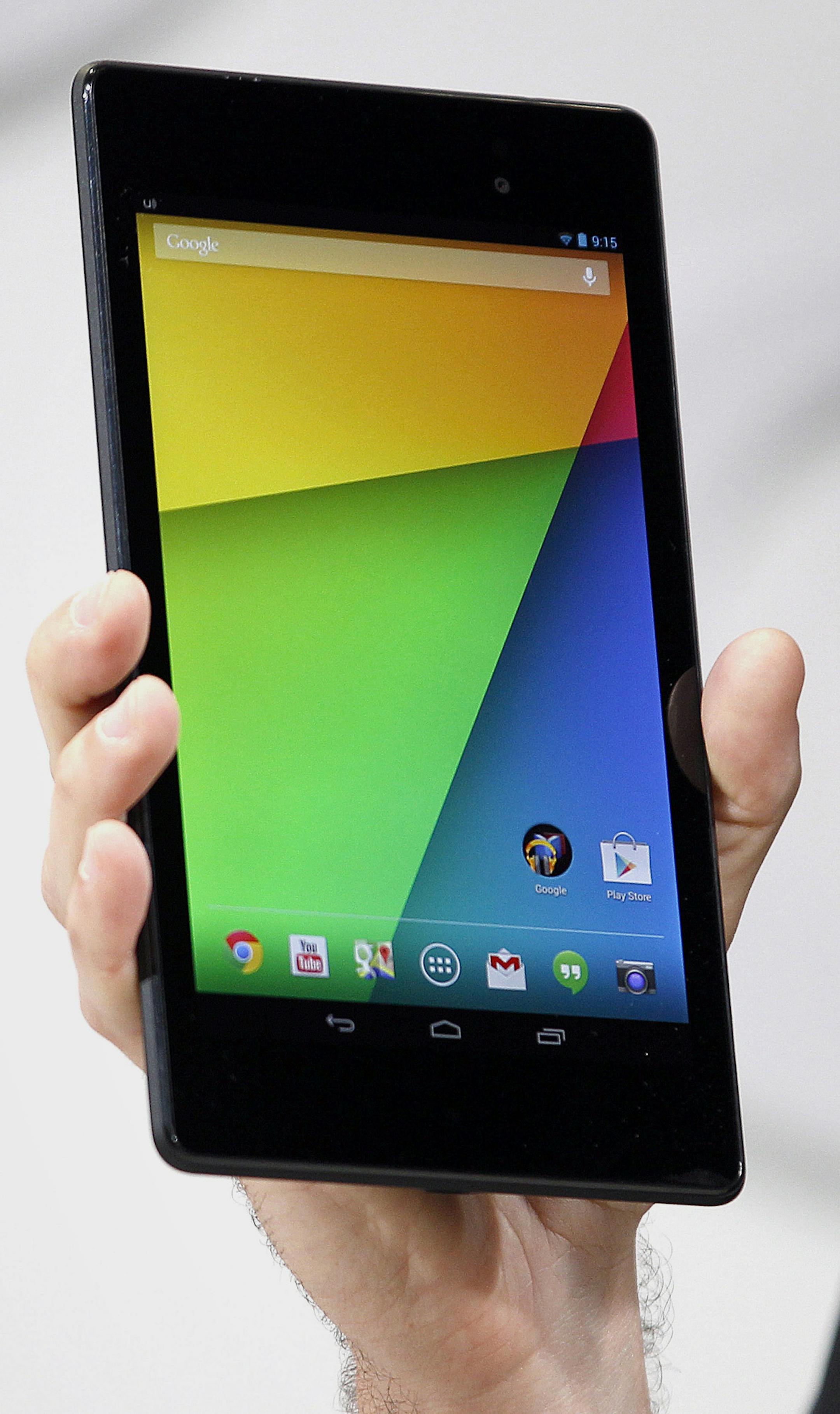
But for students who aren't Apple devotees, there are other options. For those who swear by their Android smartphones, there's the Google Nexus 10 (starts at $399) and Nexus 7 (starts at $229), which make good tablet companions.

Microsoft's Surface Pro 3 is a full-blown laptop in a chunkier tablet's body. It starts at $799 for the 64-gigabyte version, but running Windows 8.1 leaves practically no room for anything else. The next step up is a $999 model with twice the memory.

Smartphones

Smartphones are perhaps the most personal device a college student will have. It's the thing they reach for first in the morning instead of the alarm clock. Typically, the phone is the alarm clock.

So highly individualized are phones that it's probably not a good idea to spring a new device on a student without consulting them on what they need and want to use (if they're not fine with the phone they already own).

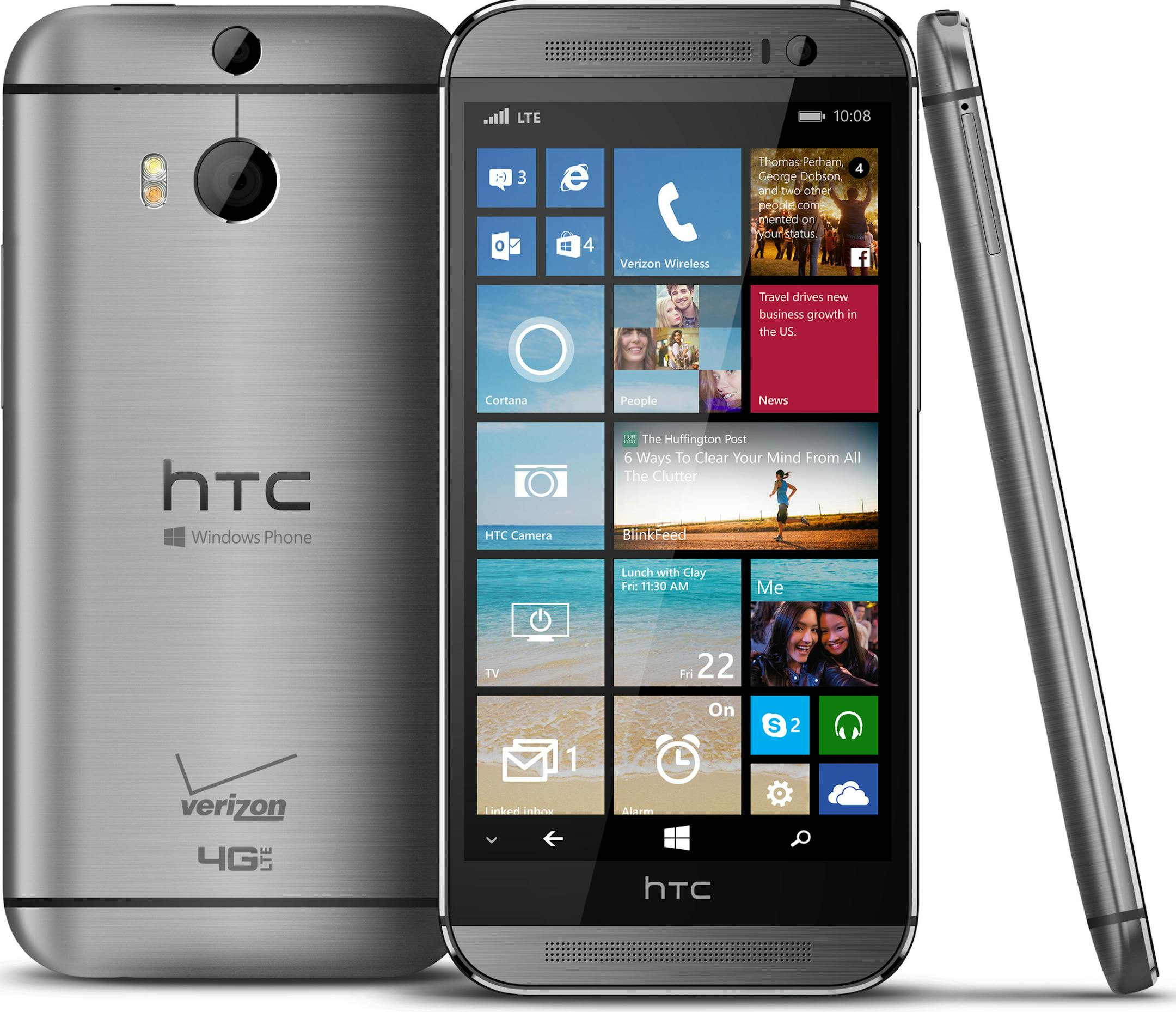
If you're shopping together, you should know that Samsung's Galaxy phones are wildly popular, but their cheap-feeling plastic and unnecessary features have not been a big hit with some users. However, on the Android side, the HTC One (M8), which sells for $199 or less, and the new LG G3 phone (about $199, with a 5.5-inch screen) have been earning solid reviews.

There are two phones you might want to hold off on: the Amazon Fire Phone, which has interesting technology but feels like a very first-generation product (its sequel is probably a year away), and the iPhone (Apple is expected to make an announcement on the iPhone 6 in early September; so wait to see what's new and for prices on old iPhones to drop).


This product image provided by HTC shows the HTC One M8 Windows phone. HTC says it developed the new model at the request of Microsoft, which has been trying to boost its Windows Phone system. The company will continue to make an Android version of the One, as well as other Android phones. (AP Photo/HTC)
HTC One M8 (The Minnesota Star Tribune)
Hugo Barra, vice president of product management for Android at Google Inc., displays the new Nexus 7 tablet while speaking at an event in San Francisco, California, U.S., on Wednesday, July 24, 2013. Google Inc., owner of the worldís most popular search engine, today unveiled an updated version of its Nexus 7 tablet as it steps up efforts against rivals such as Apple Inc. and Microsoft Corp. Photographer: Tony Avelar/Bloomberg *** Local Caption *** Hugo Barra ORG XMIT: 174522527
Google Nexus 7 (The Minnesota Star Tribune)
about the writer

about the writer

Omar L. Gallaga, Austin American-Statesman

More from No Section

See More
FILE -- A rent deposit slot at an apartment complex in Tucker, Ga., on July 21, 2020. As an eviction crisis has seemed increasingly likely this summer, everyone in the housing market has made the same plea to Washington: Send money — lots of it — that would keep renters in their homes and landlords afloat. (Melissa Golden/The New York Times) ORG XMIT: XNYT58
Melissa Golden/The New York Times

It’s too soon to tell how much the immigration crackdown is to blame.