BISMARCK, N.D. - Those of us who have purchased one or more federal duck stamps during the past 50 years deserve a bit of recognition on this, the 50-year anniversary of the U.S. Fish and Wildlife Service's Small Wetlands Program.
Created in 1958, the Small Wetlands Program began as an amendment to the Migratory Bird Hunting Stamp Act of 1934. Since then, the amendment has allowed the U.S. Fish and Wildlife Service (USFWS) to use money generated by the sale of federal duck stamps to permanently protect almost 3 million acres of wetlands and grasslands as Waterfowl Production Areas (WPAs), mostly in the Prairie Pothole Region of Minnesota, North Dakota, South Dakota and Montana.
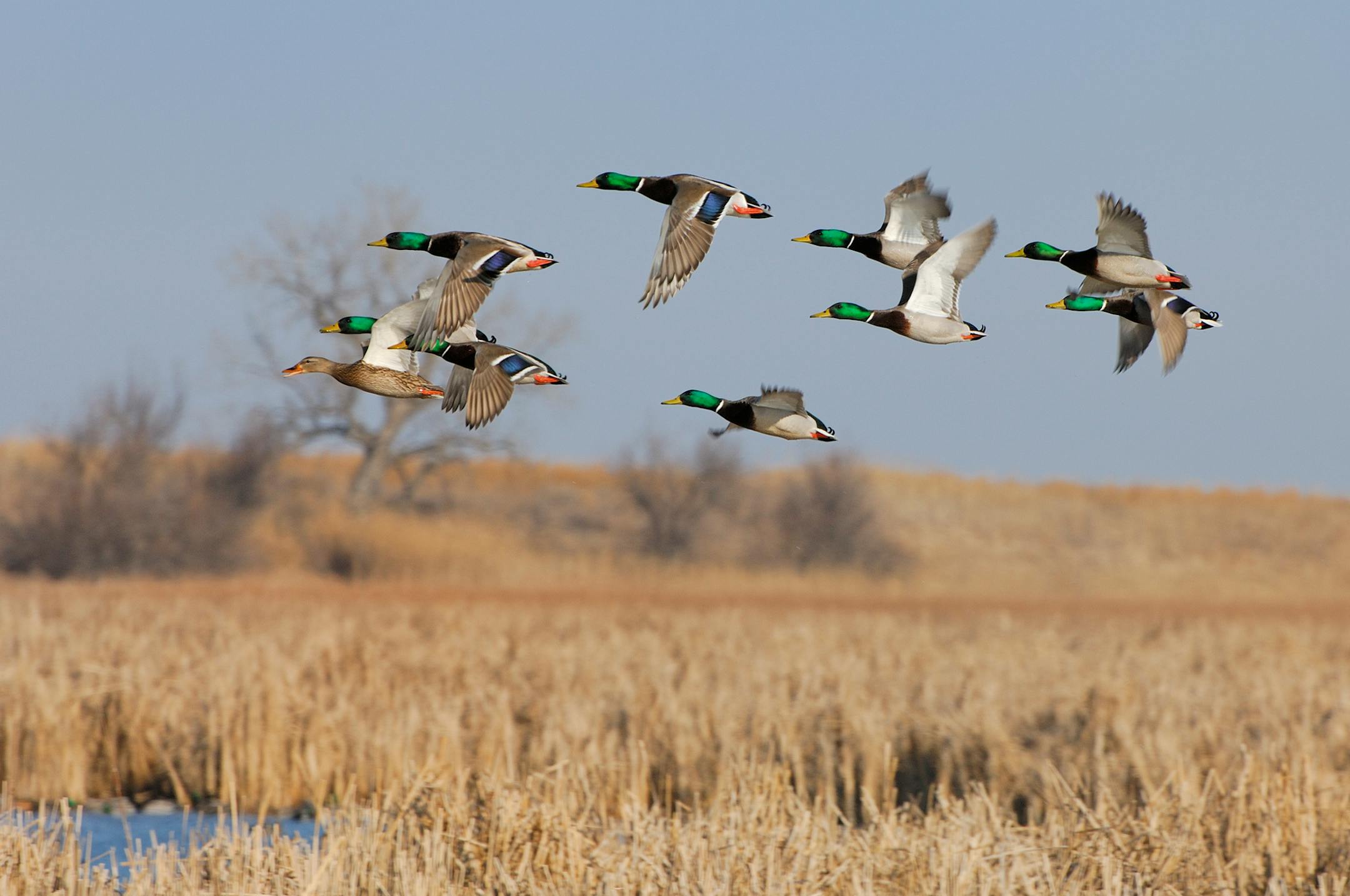
Historically, federal duck stamps were sold primarily to waterfowl hunters and are required for waterfowlers 16 and older. But birders and other nature enthusiasts have also recognized the benefits to wildlife -- and ultimately us -- that a duck stamp purchase provides.
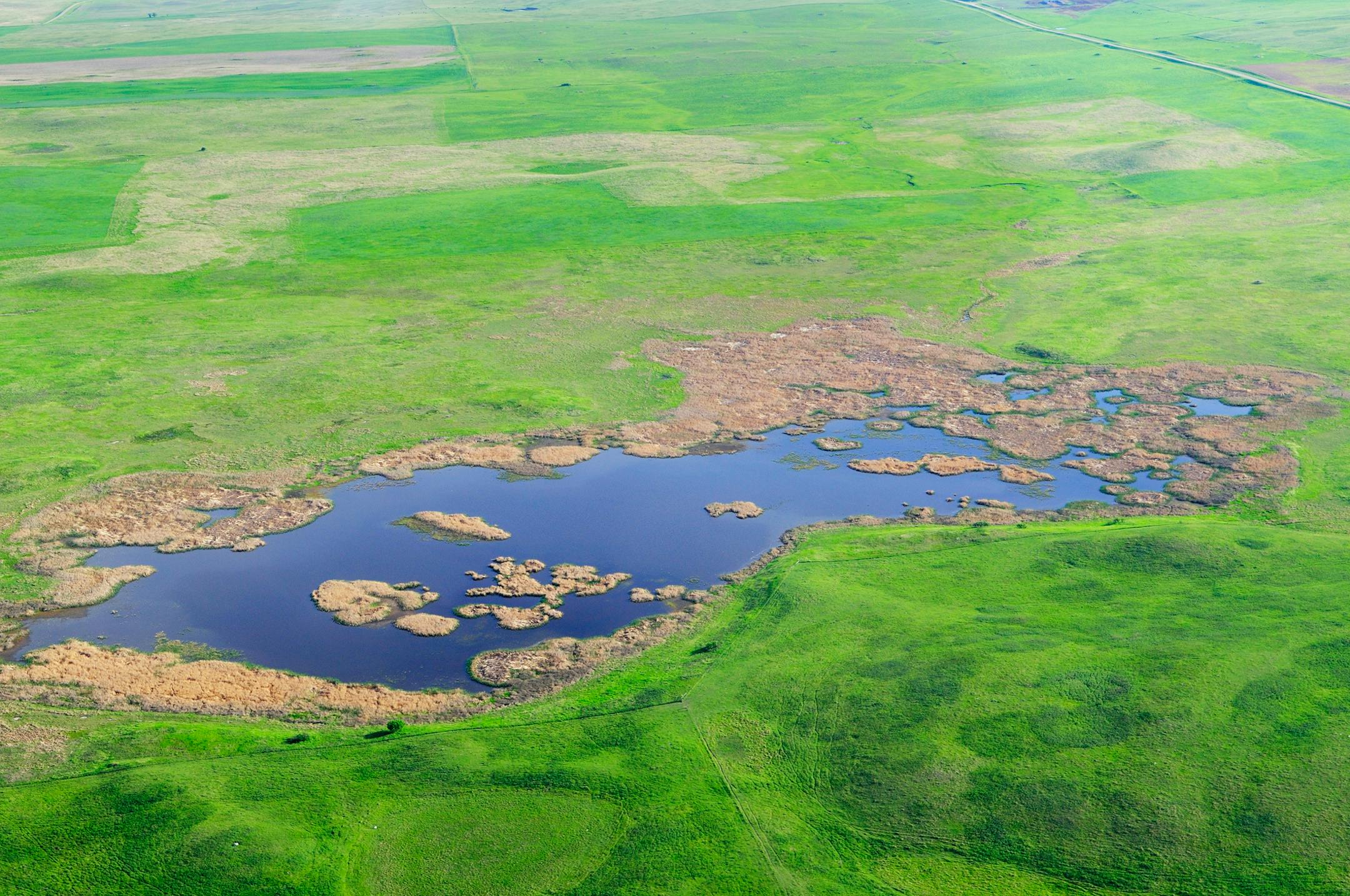
Late last month, on a clear and calm morning, I got a duck's-eye view from 1,200 feet above the prairie of a few of those WPAs and wetland and grassland easements northeast of Bismarck, N.D. From the back seat of a USFWS Cessna 206, I viewed some of the most productive duck-nesting habitat in North America, the quality due in part to the proliferation of WPAs, in addition to the thousands of acres of easements in the region, and national wildlife refuges.
It is important to understand the Prairie Pothole Region with its many WPAs provides habitat for more than just ducks. The mix of shallow wetlands and grasslands is home to hundreds of species of resident and migratory birds, mammals and plants. In addition, those nutrient-rich wetlands act as giant sponges, soaking up rain and snowmelt, which helps control flooding and filters groundwater.
Minnesota and Iowa have lost more than 90 percent of their shallow wetlands because of drainage. This is distressing news if you are a duck, or any of the other hundreds of species of critters dependent on wetlands. It's even more distressing if you are one who watched your home crumble and drift downstream on muddy water during recent 100-year floods that, oddly, are happening far more often than that.
Even North Dakota and South Dakota have lost an estimated 50 percent of their shallow wetlands because of drainage. But, as I pressed my face to the window of the Cessna, that fact was not evident, at least not to my untrained eye. In some locations, an occasional vista included more water than land, despite a general lack of runoff from winter snowmelt and spring rain.
"We had virtually no runoff from snowmelt this spring," said Lloyd Jones, USFWS refuge coordinator, from his front seat in the airplane. "But we've had 4 or 5 inches of rain in the past few weeks. That helped raise water levels. But some wetlands remain bone dry."