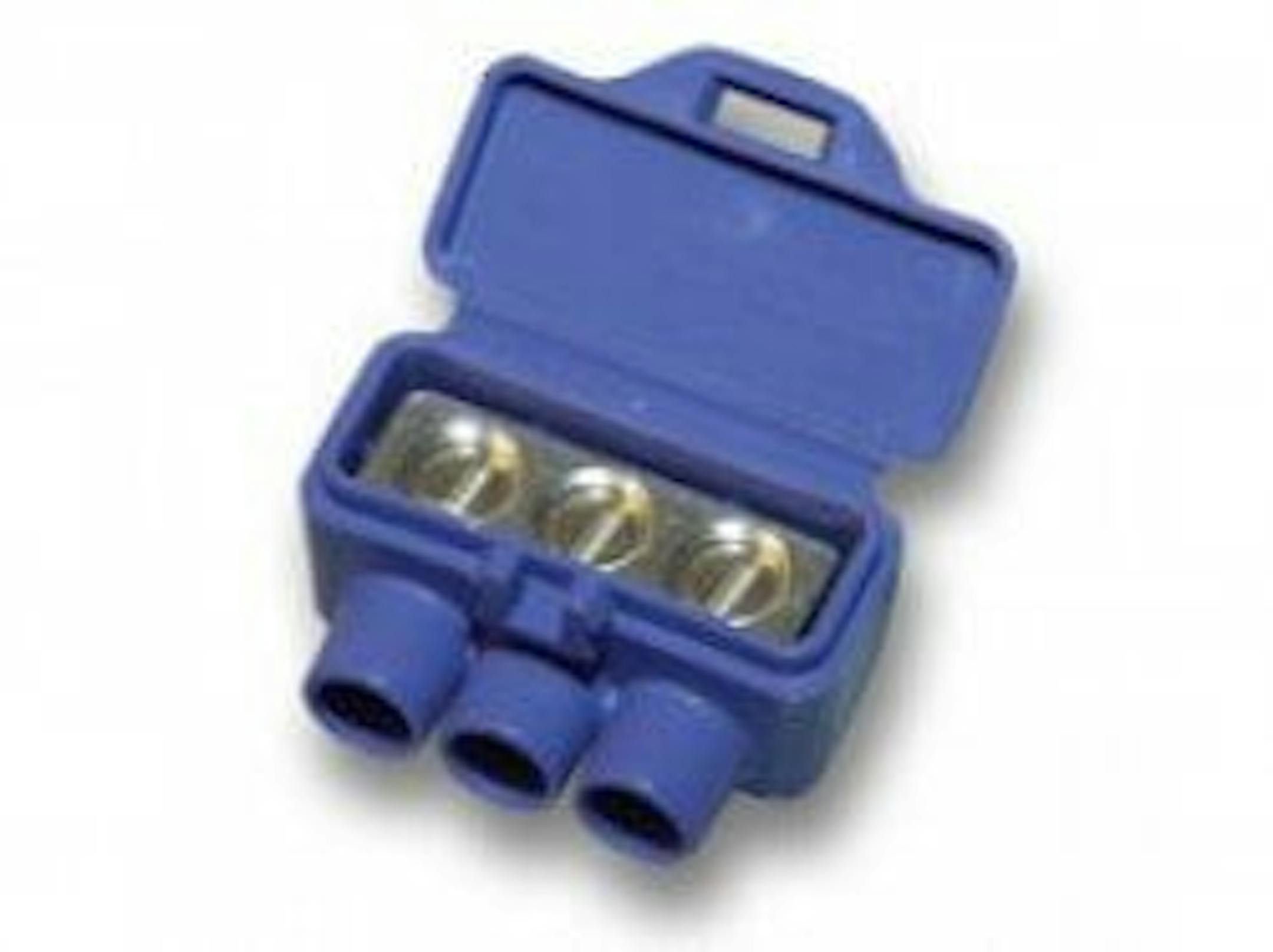
While the hazards associated with aluminum branch circuit conductors in homes have been known about for the last 40 years, there still seems to be a lot of disagreement about what should be done when aluminum branch circuit conductors are found during a home inspection. I'm writing this post to give advice to anyone in Minnesota planning to buy a home with aluminum branch circuit conductors.
Just in case you're unfamiliar with aluminum wiring, here are a few key points:
- Aluminum wiring starting being used in single family homes as a replacement for copper wiring around 1965.
- Between 1965 and 1972, over two million homes were wired with aluminum.
- Many homes caught fire and people died as a result of the aluminum wiring causing fires.
- The Franklin Research Institute determined that pre-1972 homes wired with aluminum were more likely to reach "fire hazard conditions" than homes wired with copper. Not twice as likely, not ten times more likely, but 55 times more likely.
- Aluminum wiring failed at the connection points, such as splices between wires, connections at outlets, circuit breakers, switches, lights, etc.
- In 1972, the formula for aluminum wiring changed, making it a much safer product. Aluminum wiring was used in single family homes for a few years after that, but was completely phased out by the mid-70's.
I've never inspected a home that was actually on fire because of poor connections at the aluminum wiring, but I've seen a few that looked like they were close.
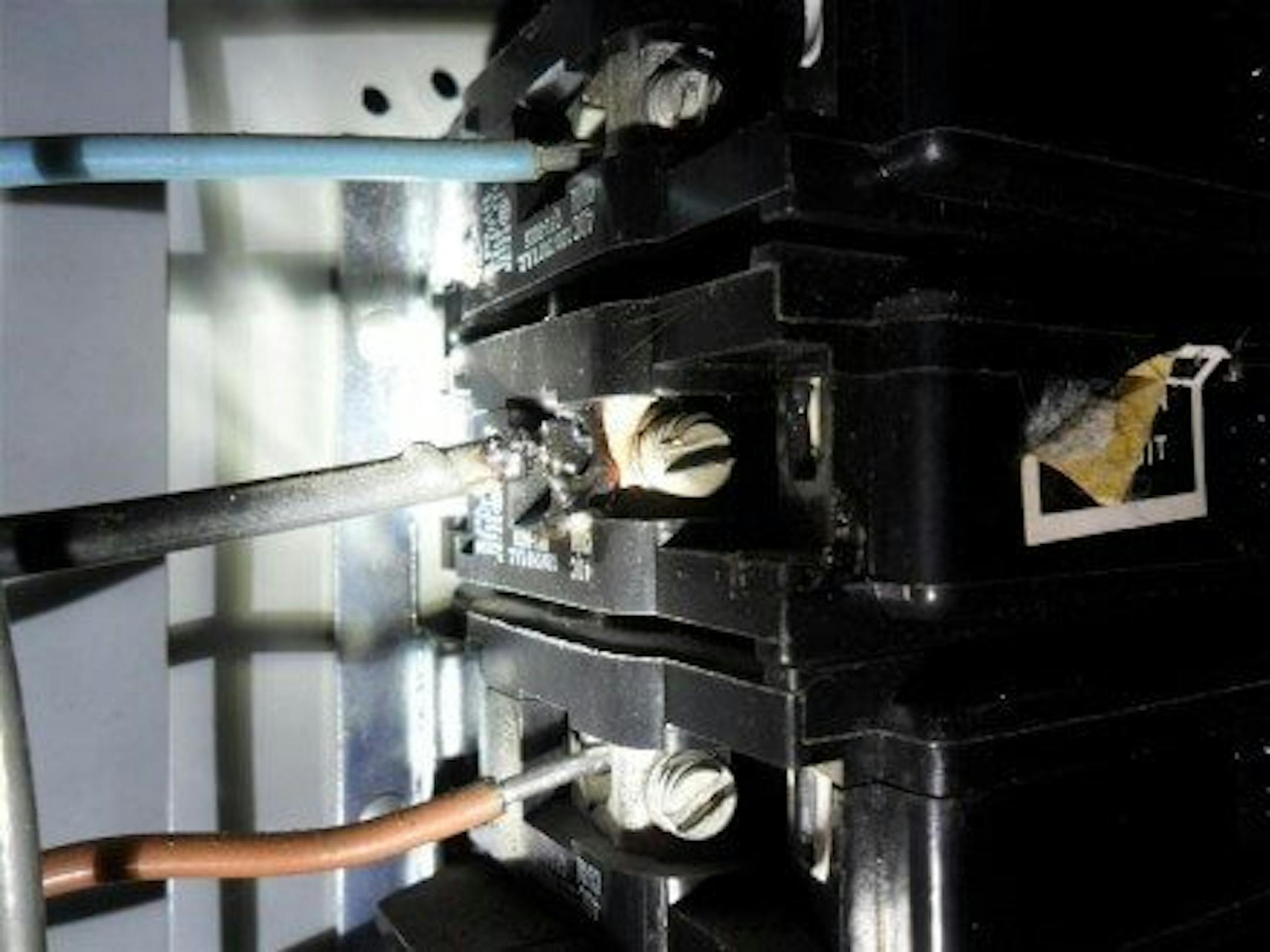
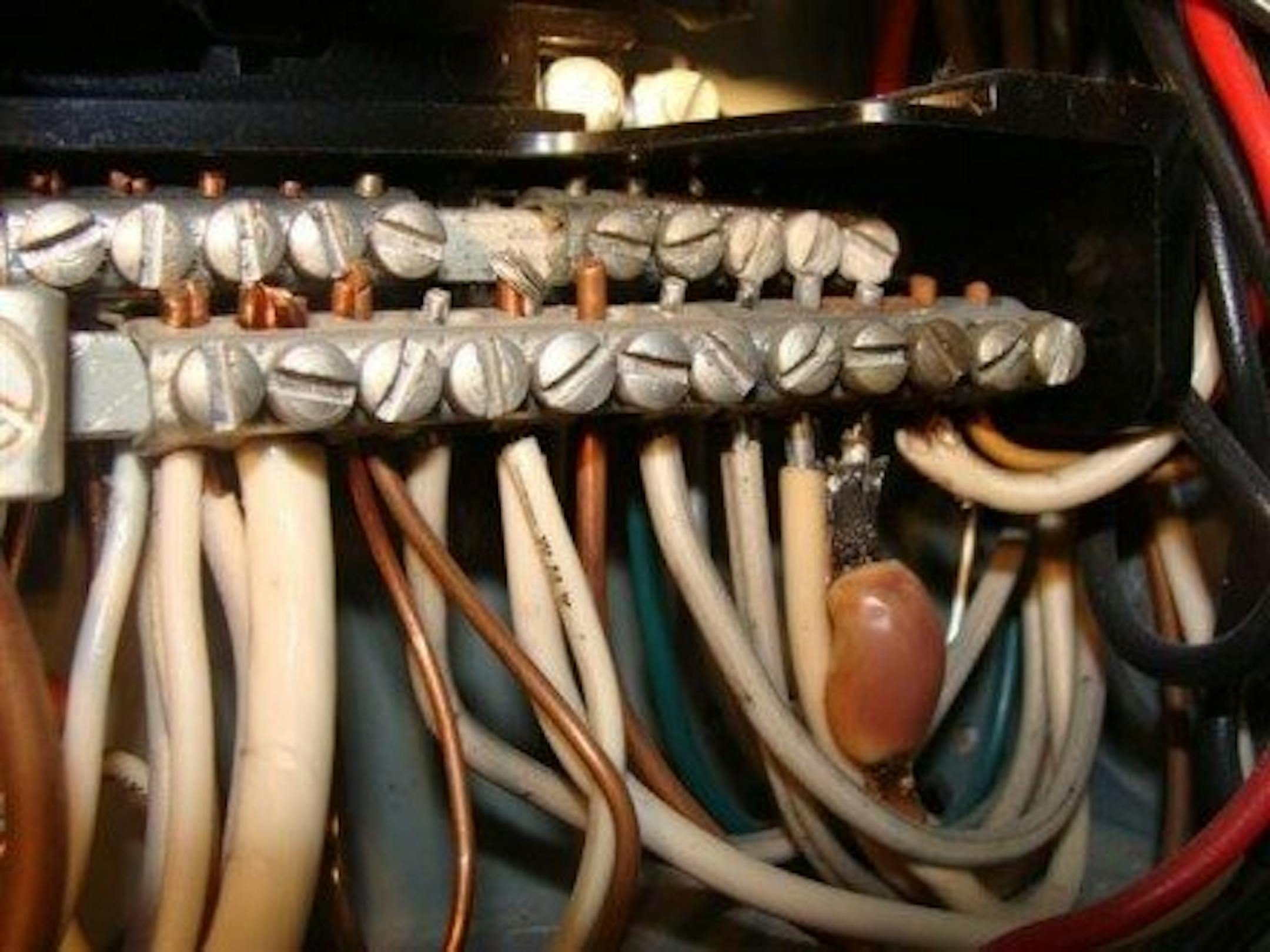
There's a persistent myth that if a home was wired with aluminum over 40 years ago and it hasn't burned down yet, it's never going to. Of course, that's just plain silly.
While there are plenty of houses with aluminum wiring that haven't started on fire, this doesn't mean they're safe. The current occupants haven't burned the house down, but when the new owners move in, will they put different demands on the system? Of course. With a change in occupancy comes a change in use, and that's when problems often show up.
If you're buying a home with aluminum wiring, my advice is to have a thorough inspection of the wiring performed by an electrician and repairs made if needed. This inspection would require the inspection of at least a representative number of connections. This means pulling outlets out of the wall, pulling switches out of the wall, taking lights down to inspect the connections, pulling wires out of junction boxes, etc. If any connections aren't proper, repairs should be made.
Repair Methods
The CPSC lists three potential repairs for homes with aluminum wiring: individual repairs with COPALUM connectors, individual repairs with AlumiConn connectors, or complete replacement of the aluminum wire. You can read about how the individual repairs would be made here - Aluminum Wiring Repairs.
COPALUM? Not in Minnesota.
Individual repairs with COPALUM connectors is not a viable option for Minnesotans. This requires the use of a specialized product that needs to be installed with a specialized tool, by a certified COPALUM Retermination Contractor. I contacted the company that provides this product, and was informed that there is not a single certified contractor in Minnesota. So that's out.