

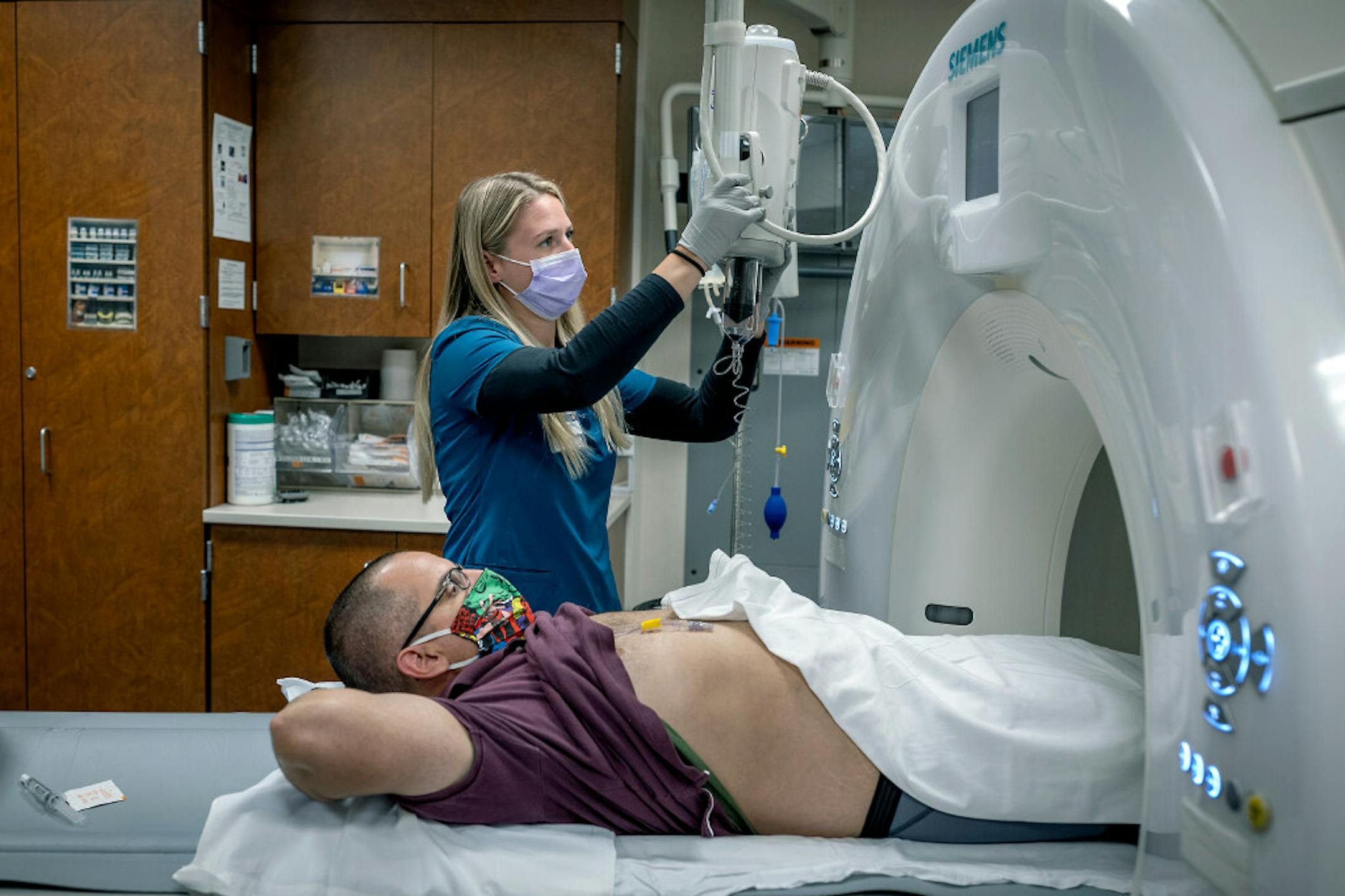
In the nearly two years since Rafael Barbosa was diagnosed with Stage IV colon cancer, which he believes was caused by burn-pit exposure in Iraq and Afghanistan, he and his wife have done everything possible to get him back to active duty.
Stuck in the frustrations of military bureaucracy, Barbosa nearly gave up. Until this week, when he got his wish.
Barbosa received notice from the Army that his appeal was granted. His medical retirement was revoked, and the 43-year-old will return full time.
The Army captain and helicopter pilot originally retired in 2019 without knowing a mass was growing inside him. Doctors thought it could kill him, but treatment at Mayo Clinic in Rochester worked.
Barbosa wanted his career back. He wouldn't have retired in the first place, he said, if he hadn't felt so weakened from the cancer that had gone unnoticed by Army doctors for years. At first, Barbosa requested back pay, military health care benefits as well as survivor benefits for his wife and son, who is now 14, should the cancer kill him.
But with scans no longer detecting cancer, and with Barbosa feeling better than he has in years, he instead requested to be put back on active duty. He'd felt like he'd been given a second chance at life, and he was motivated by a sense of duty to serve and to lead — an Army officer with a new life perspective to pass on.
Unretiring from the Army is no simple thing, especially with the complications of a cancer diagnosis and Barbosa's unique situation.
How did they prevail? Through nonstop advocacy, much of it by Barbosa's wife, Amanda. She traveled to Washington D.C. again and again. She lobbied for last year's PACT Act, which aids veterans who were exposed to toxic substances during service. She made friends with actor and comedian Jon Stewart, the most visible face of burn-pit legislation. She attended the State of the Union address with Sen. Amy Klobuchar. She got a Pentagon meeting with Gen. Mark Milley, chairman of the Joint Chiefs of Staff.


