

President Joe Biden's grand plan to deliver a new New Deal that will "build back better," transform American infrastructure and bounce the country back from the pandemic moved one step closer to reality this week when the Senate, with bipartisan support, approved the $1 trillion infrastructure bill.
The bill's price tag is a bit of false advertising; nearly half of the money is previously approved funding. Still, the $550 billion in new spending is nothing to sneeze at. It would be a huge investment in this country, particularly if the Democrats can follow through with a second infusion of money this fall, when they pass their budget.
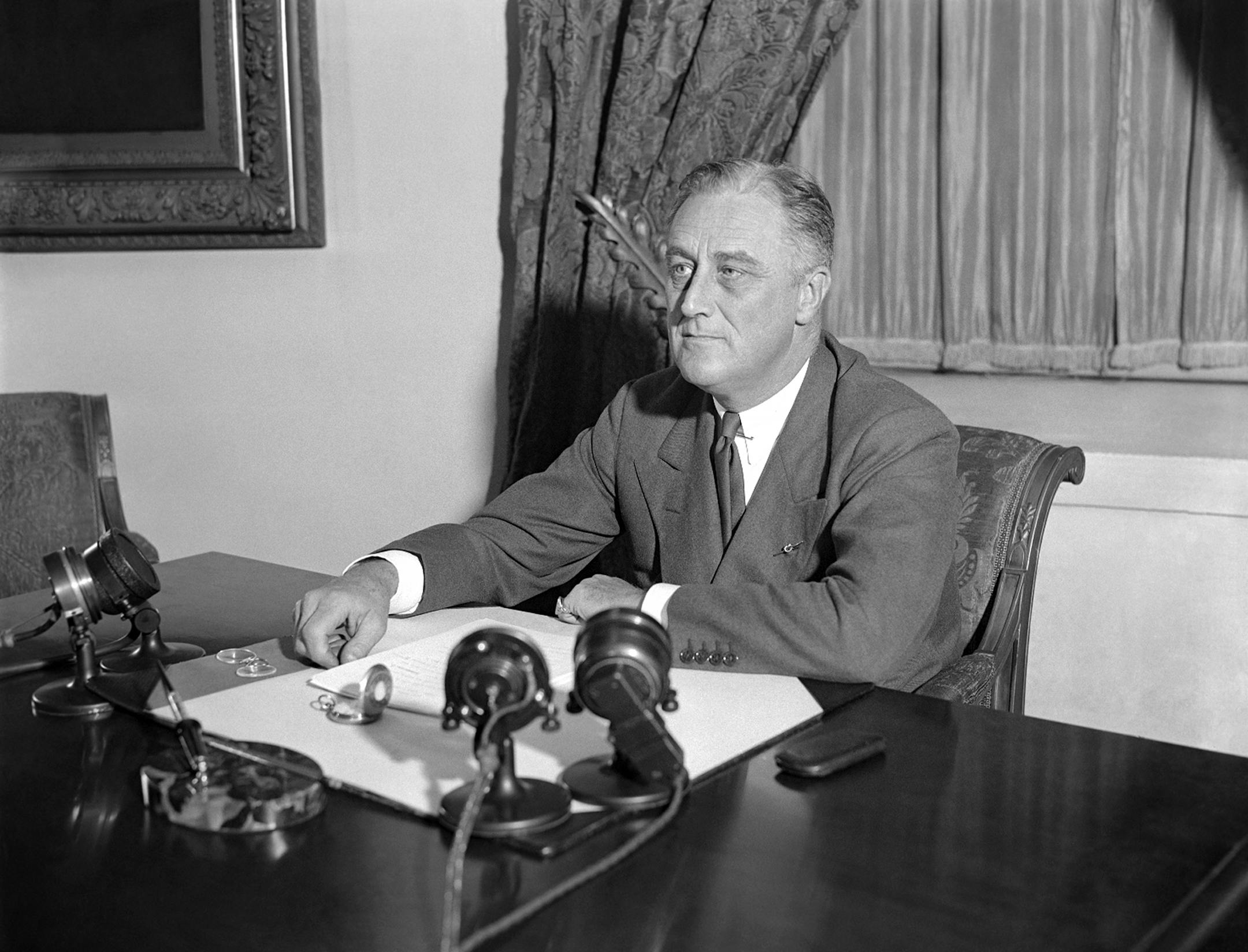
But as Biden seeks to anoint himself the next Franklin Roosevelt, we should note that there are some pitfalls that the 32nd president either wouldn't or couldn't avoid and that Biden may be dangerously close to repeating.
There is no doubt that the New Deal — a series of programs, public works projects, financial reforms and regulations enacted from 1933 to 1939 — transformed this country. There is also no doubt that Black people were betrayed, as racist lawmakers used many of the New Deal's programs to uphold Jim Crow rather than to dismantle it.
As the Rockefeller Foundation pointed out, once those programs were up and running, they systematically excluded Black and brown workers, most of whom couldn't receive Social Security benefits or the full protection of the new labor laws. The Federal Housing Administration and Home Owners Loan Corp. often refused to give Black and brown families loans, effectively entrenching segregation across the South.
Of course, some Black people did benefit, and Roosevelt's relief programs made him popular with many, but those benefits were incidental rather than targeted.
As PBS put it, Roosevelt "shied away from aggressively promoting civil rights" for fear of alienating Southern whites.
At the time, Roosevelt was under pressure to back a federal law banning lynching. His wife supported the measure. But he made the strategic choice not to. As he told Walter White, the leader of the NAACP, in 1934, if he backed the bill, Southern Democrats would "block every bill I ask Congress to pass to keep America from collapsing. I just can't take the risk."


