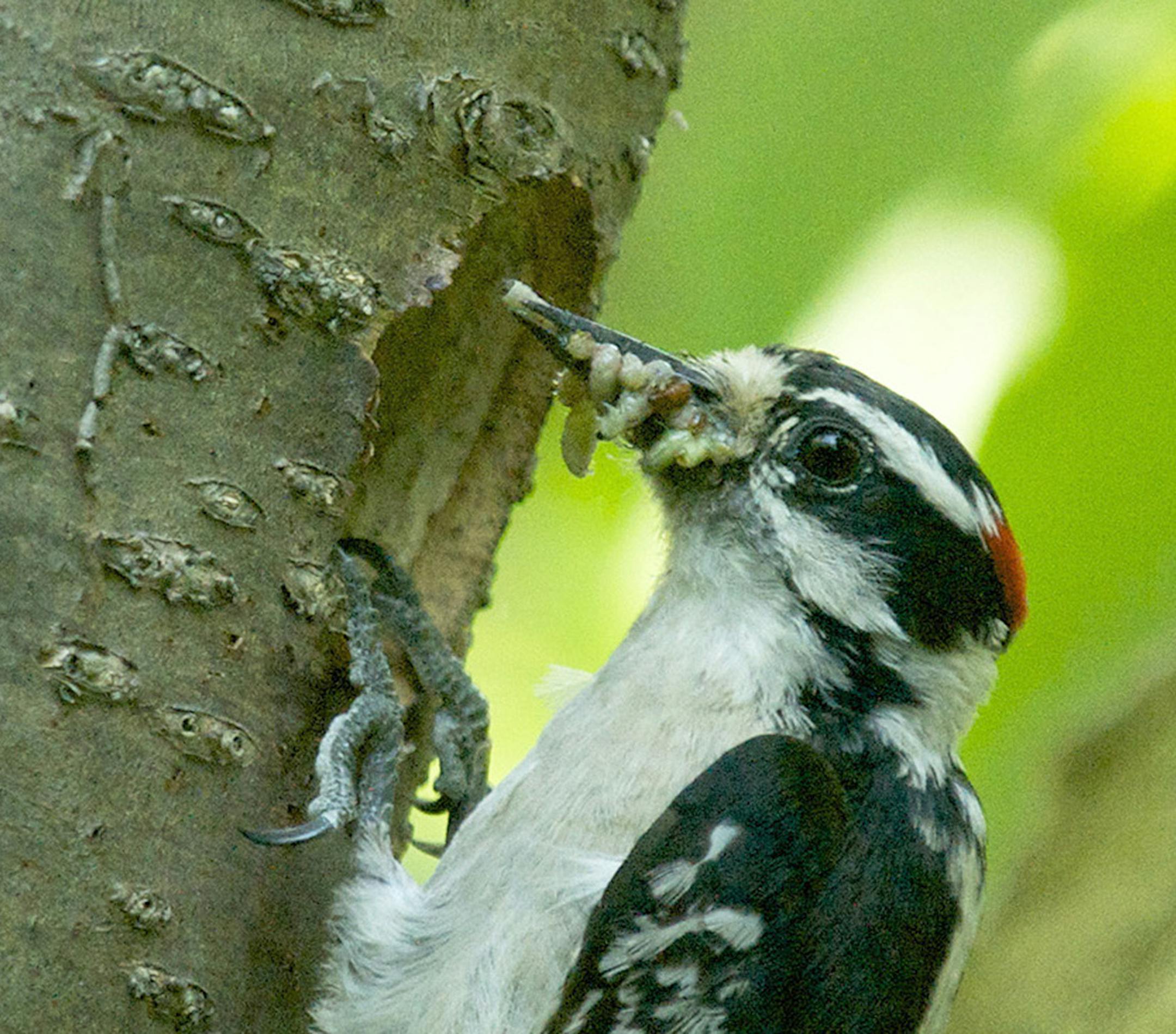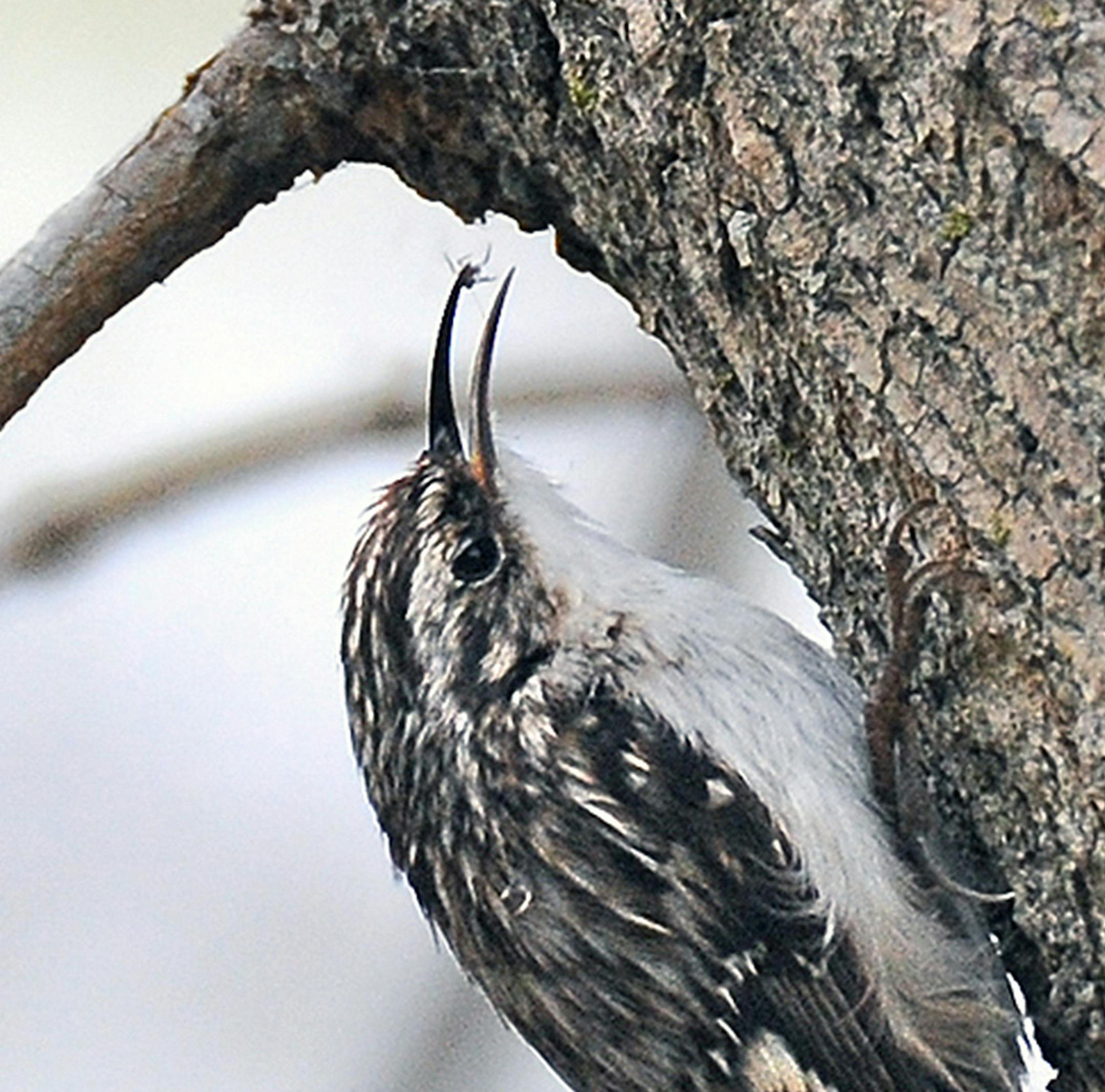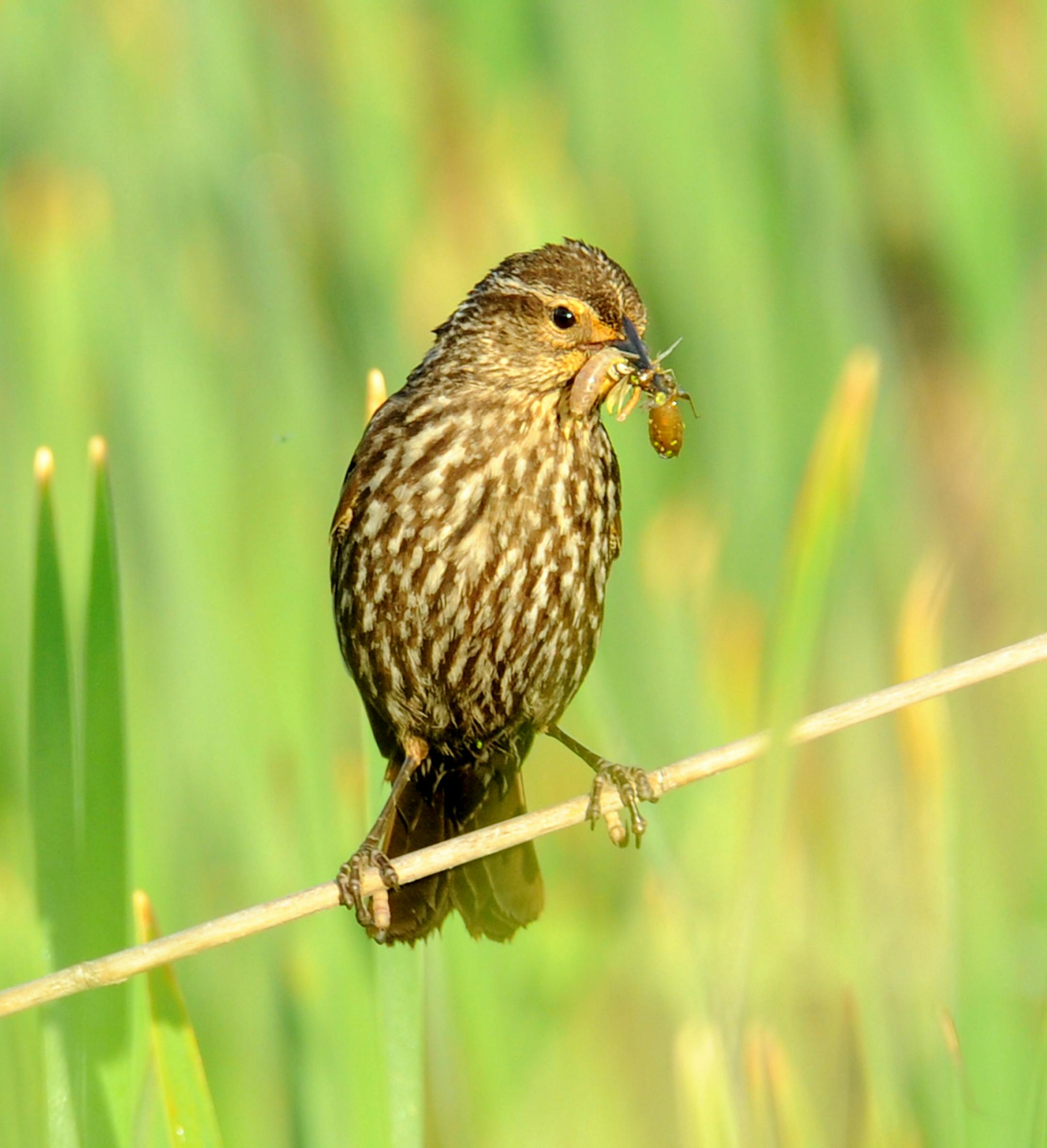
Fifteen pairs of tree swallows nested this summer in boxes at a nearby golf course. Each pair hatched five or six eggs. Let's just say five. At that rate, the parents as a group, 30 birds, would be feeding 75 nestlings.
The North American Bluebird Society (nabluebird society.org) estimates that during the average 45-day nesting period one family, adults and chicks, will consume 300,000 flying insects.
Fifteen swallow families eating 300,000 insects in a nesting season is 4.5 million fewer bugs for you and me.
Tree swallows hunt only on the wing. They don't feed on the ground or in trees. Research has shown that 90 percent of insects captured by these birds are taken below an altitude of 40 feet.
Mosquitoes fly near their food sources. How tall are you?
Tree swallows are common here. So are barn, cliff, rough-winged and bank swallows, as well as purple martins. They all feed on those insects we see flying around us.
Guild members
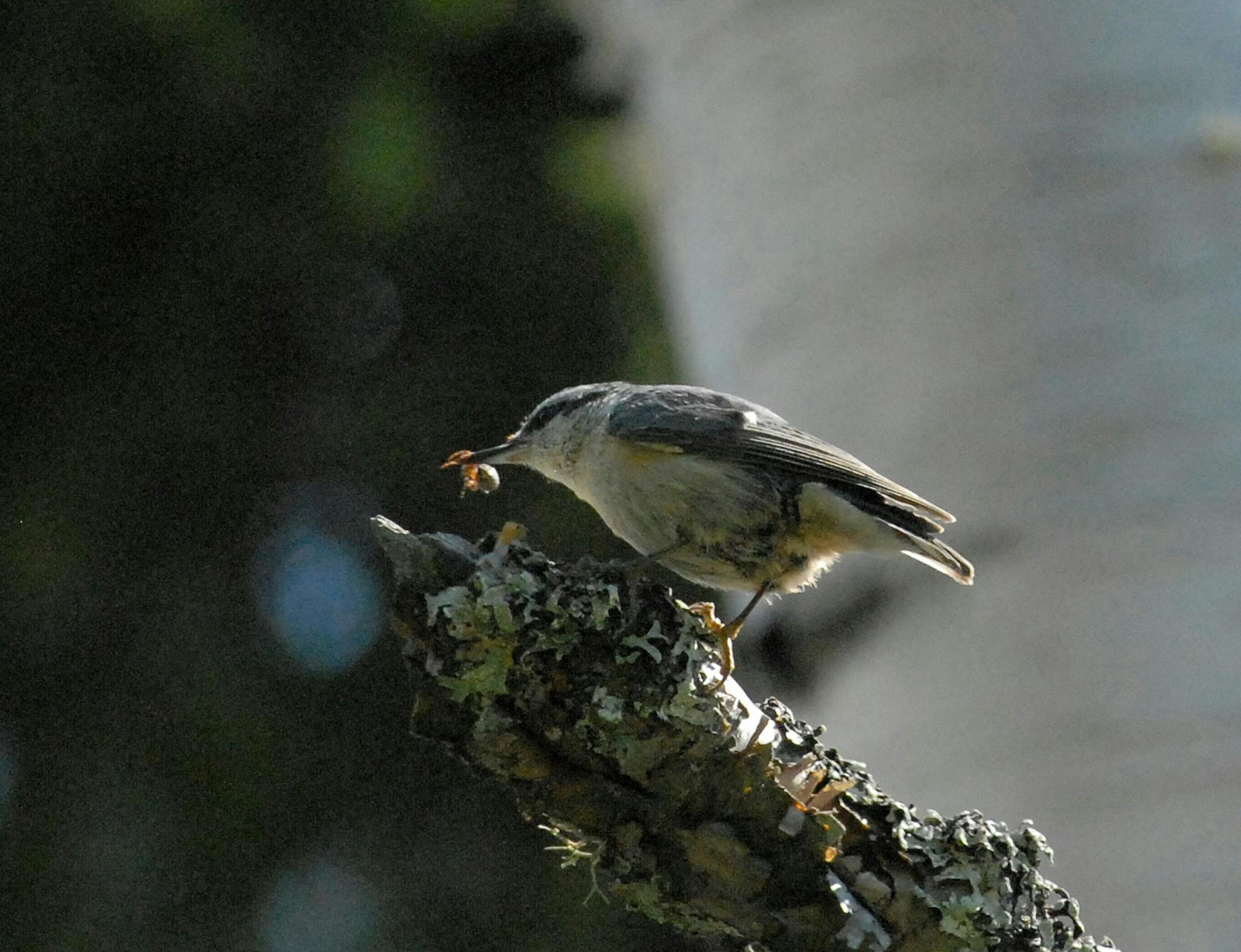
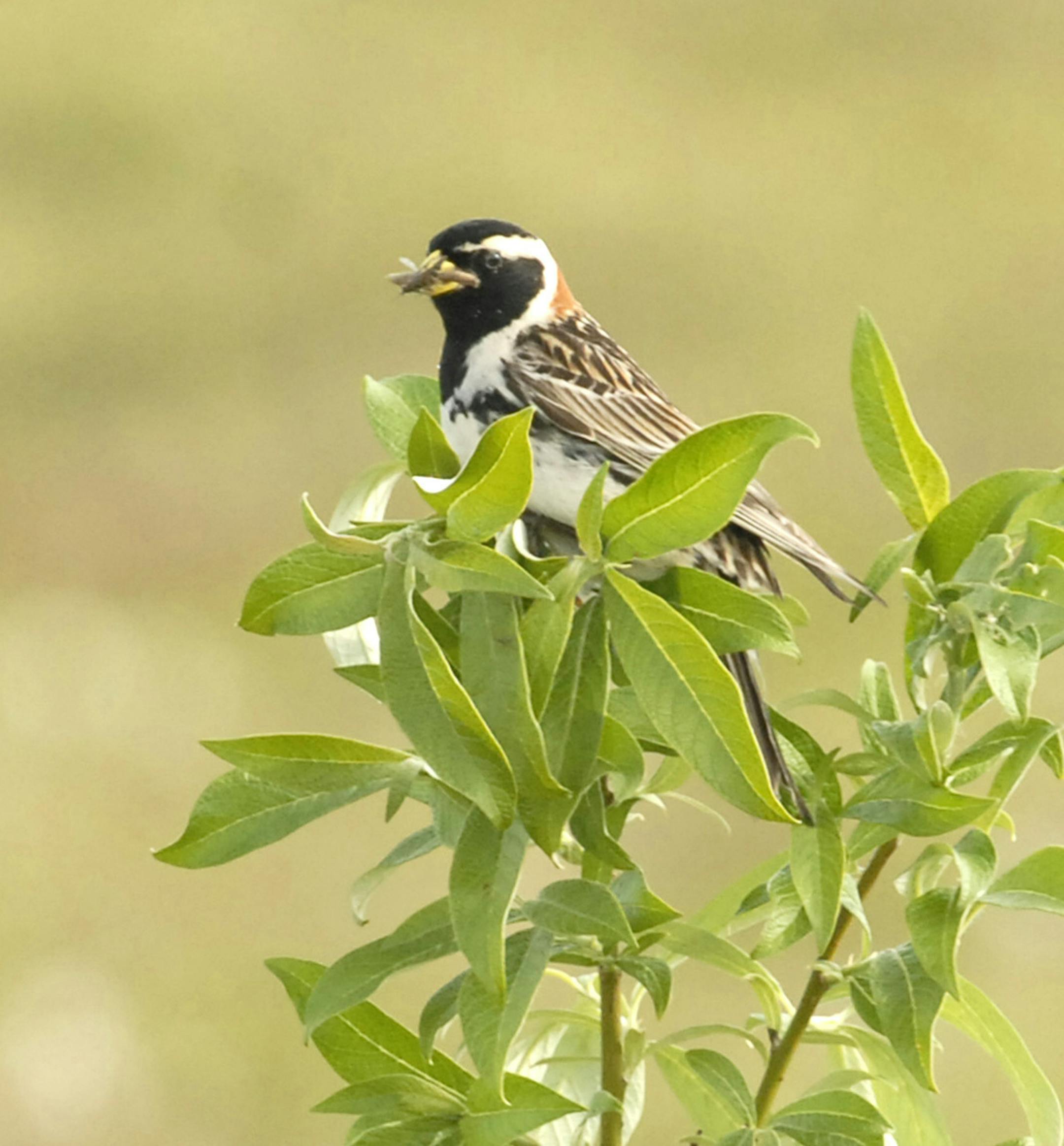
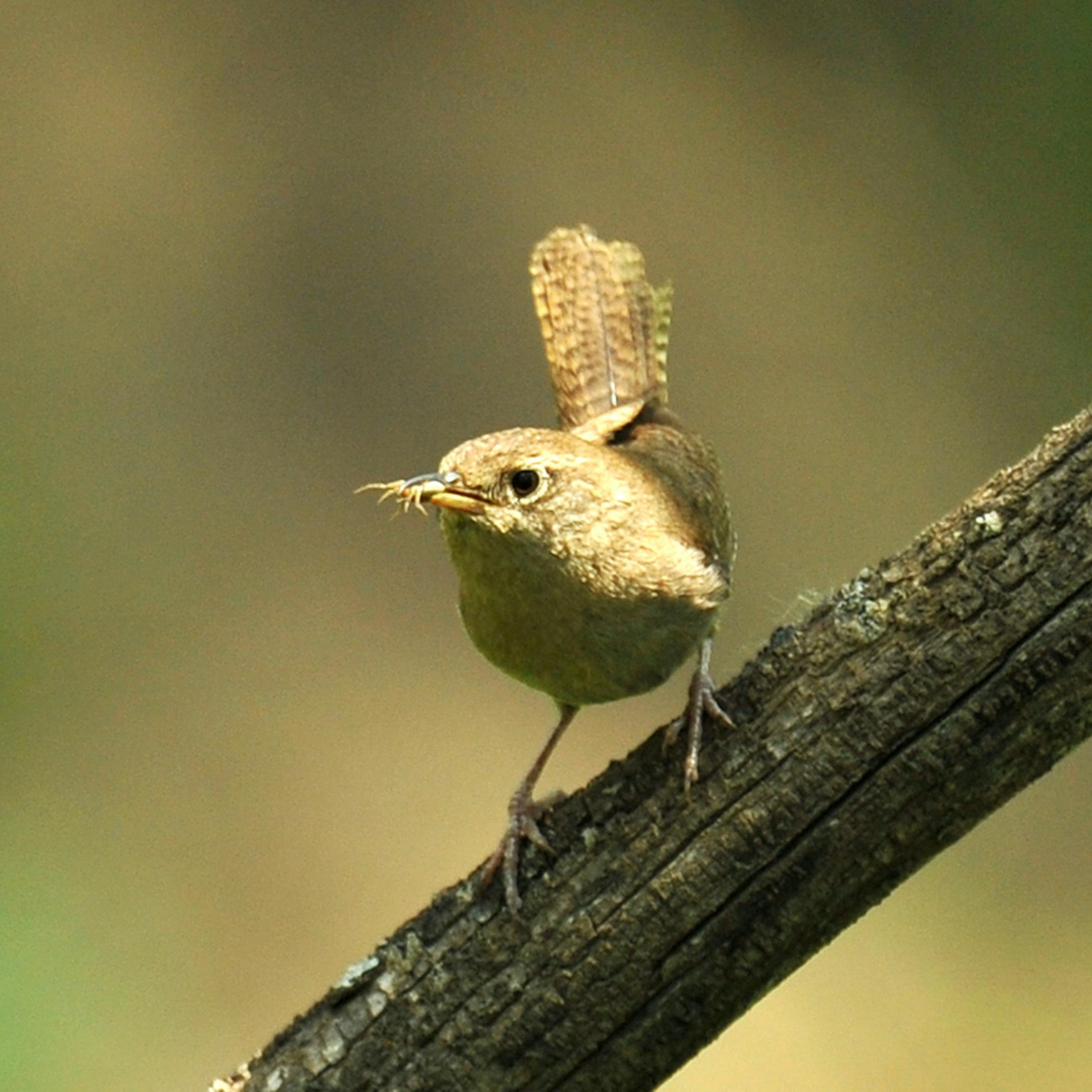
Bird species can be broken into guilds — groups of species that have similar requirements or play similar roles within a community. Guilds can be defined by how members catch insects. There are several ways to do that and many places to hunt.
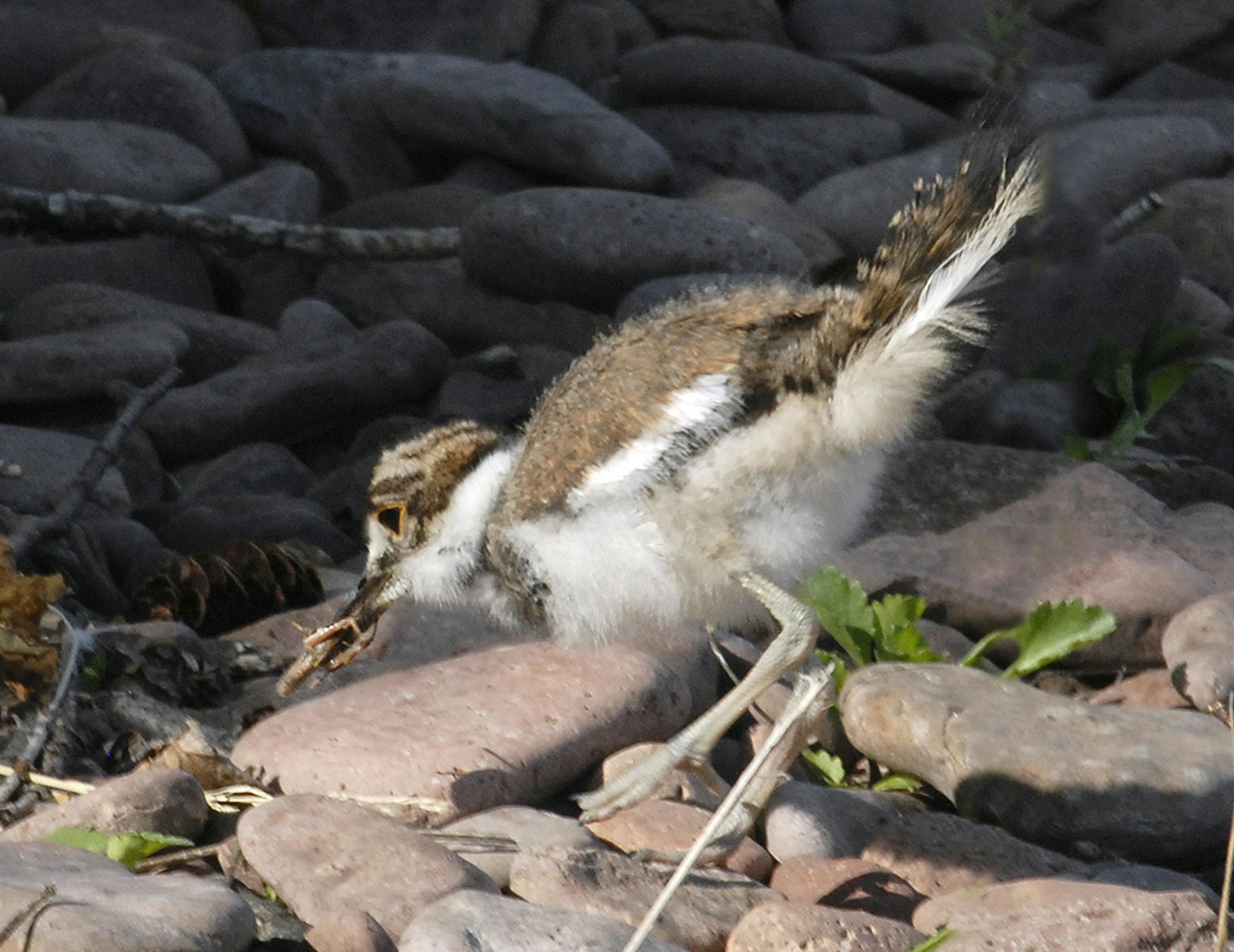
The ground guild captures prey at ground level. That's how bluebirds feed. They eat crawling and hopping insects exclusively, at least in nesting season.