

Opinion editor's note: Editorials represent the opinions of the Star Tribune Editorial Board, which operates independently from the newsroom.
•••
Would you know what to do if your loved one collapsed in a gym, a restaurant, a theater or any other public place?
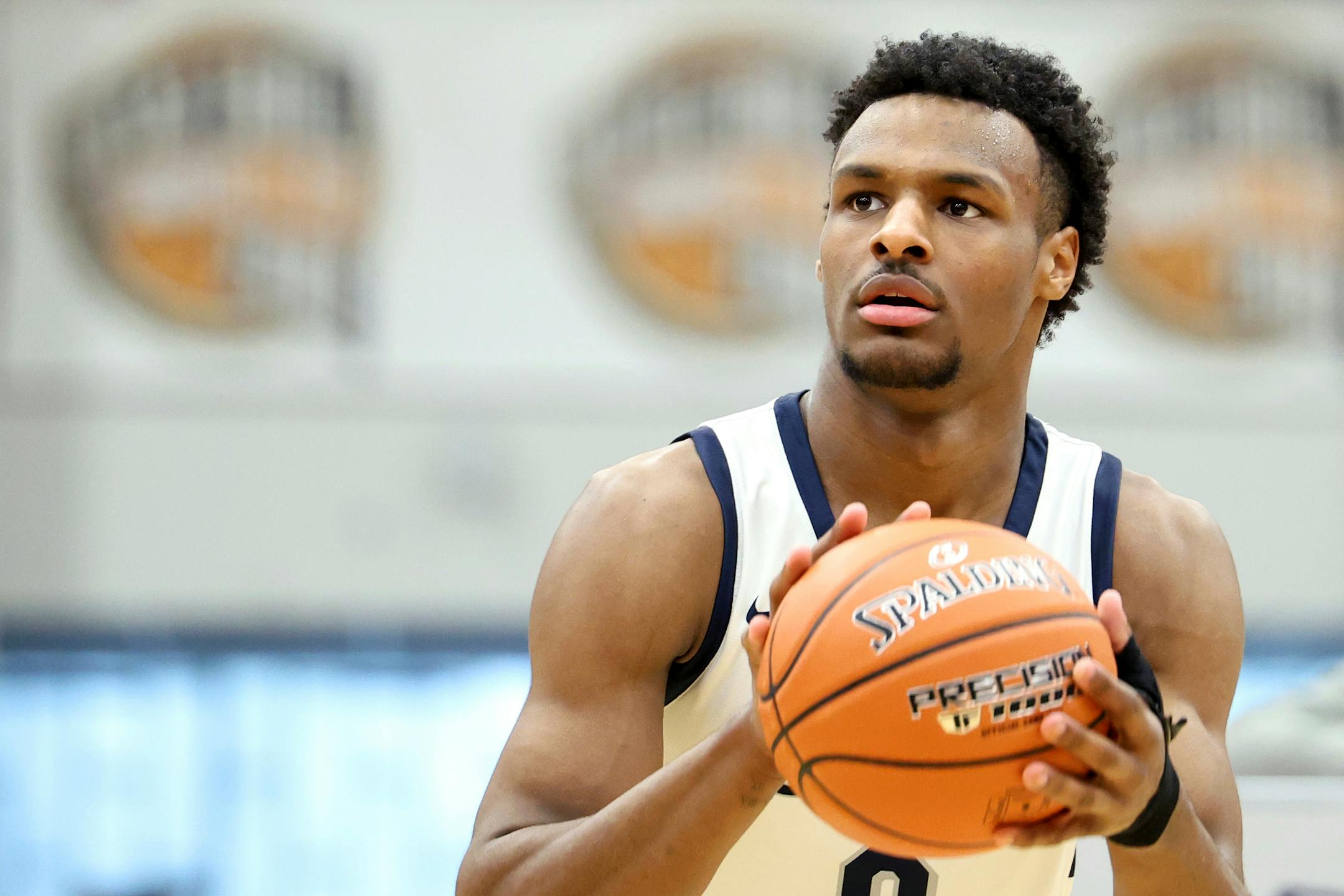
It's a question that merits fresh consideration after this week's frightening collapse of Bronny James, son of NBA superstar LeBron James, whose heart suddenly stopped beating during basketball practice at the University of Southern California.
The younger James is an incoming freshman and already a star in his own right, with many expecting him to play professionally like his dad. Thankfully, he is recovering and hopefully will suffer no lingering effects from this life-threatening medical condition.
James is the second elite athlete this year whose cardiac arrest has generated national headlines. Buffalo Bills safety Damar Hamlin, who collapsed during a "Monday Night Football" game on Jan. 2, survived and is cleared to play again.
These high-profile emergencies are a reminder that no one is immune from a sudden medical crisis. Even athletes in peak condition are susceptible. Understanding this and being ready to render assistance at the scene could save the life of someone close to you.
There's unfortunately much room for improvement when it comes to emergency preparedness. "Hands-only cardiopulmonary resuscitation (CPR) can double a person's odds of surviving cardiac arrest — when the heart suddenly stops beating, causing a person to collapse and stop breathing,'' according to the Harvard Health Letter. "Yet fewer than half of people who experience cardiac arrest outside of a hospital receive CPR from someone nearby."


