

Minnesota's position at the crossroads of two nation-spanning interstate highways. Its proximity to the oil fields of North Dakota. The bustling international shipping port in Duluth. Year-round professional sporting events that make the rapidly growing metro area a popular tourist destination.
The reasons why the Twin Cities area is one of the nation's hubs for child prostitution, according to the FBI, are both varied and debatable. What isn't in dispute is that this shocking designation is a horrifying blight on a state typically known for its natural resources and healthy lifestyles.
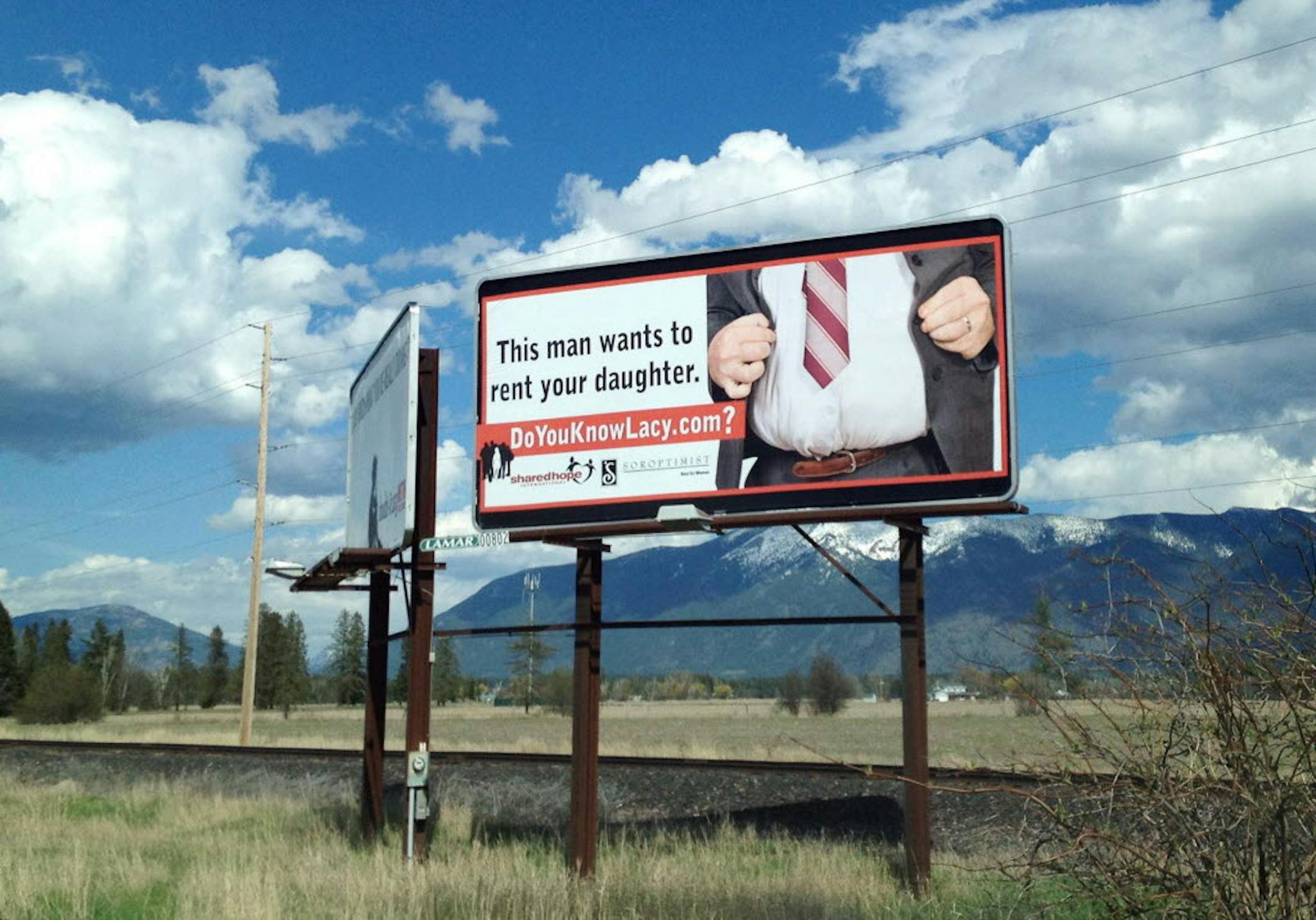
As a longtime health care leader, Minnesota has a moral obligation to be at the forefront in fighting a public-health threat and human-rights abomination: the buying and selling of young girls and boys on the Internet for sex. While state lawmakers have taken some solid but beginning steps to help prostituted children here, Minnesota's entire congressional delegation needs to rapidly ramp up the fight at the federal level for broader protections.
The disturbingly youthful victims whose services are advertised in Minnesota and elsewhere on websites like Backpage.com are but a few of the millions entrapped in the commercial sex industry. While many are brought in from other countries, up to 300,000 American children under the age of 18 are recruited into prostitution annually, according to statistics compiled by the respected nonprofit Ark of Hope for Children.
Between 8,000 and 12,000 people are involved in prostitution or sex trafficking in Minnesota each day, according to information from Republican U.S. Rep. Erik Paulsen's office. Some estimates suggest that the average age of girls trafficked is between 12 and 14 — a finding that is mirrored in the day-to-day work of one of Minnesota's foremost advocates for exploited children.
"There are two undeniable trends. There are just more and more of these kids … and they are also getting younger and younger,'' said Jeff Bauer, public-policy director for the Twin Cities-based Family Partnership.
"When I first started my job back in 2008, the average age of girls coming through was 16, 17, 18 years old. Now we see a lot more 13-, 14-, 15-year-olds, with some as young as 11.''
Fortunately, members of Minnesota's congressional delegation are stepping up and shouldering their responsibility as policymakers and parents to put in place federal safeguards for exploited children. They're drawing upon in-state resources like Bauer and respected advocacy organizations such as Breaking Free and the Women's Foundation of Minnesota. They're using recently passed state initiatives as the inspiration and building blocks for federal legislation. Paulsen, Democratic Sen. Amy Klobuchar and Democratic Rep. Rick Nolan in particular have led on this issue.


