LONDON – This past week, as two members of Parliament interrupted a debate on Brexit to rib each other about the elite boarding schools they attended four decades ago, 23-year-old Eve Alcock looked on with deep disgust.
The world of Britain's Parliament — its effete conduct codes, its arcane and stilted language, its reunions of Oxbridge school chums — seemed impossibly remote from the real national crisis of Brexit, the process of extricating the country from the European Union.
"We're in the middle of a national emergency, and you have schoolboys squabbling about who went to the best school in the House of Commons," she said. "It's almost as if they are operating in this complete alternate reality."
Over the past weeks, as factions within the government have grappled for control over the country's exit from the bloc, the mood among voters has become dark.
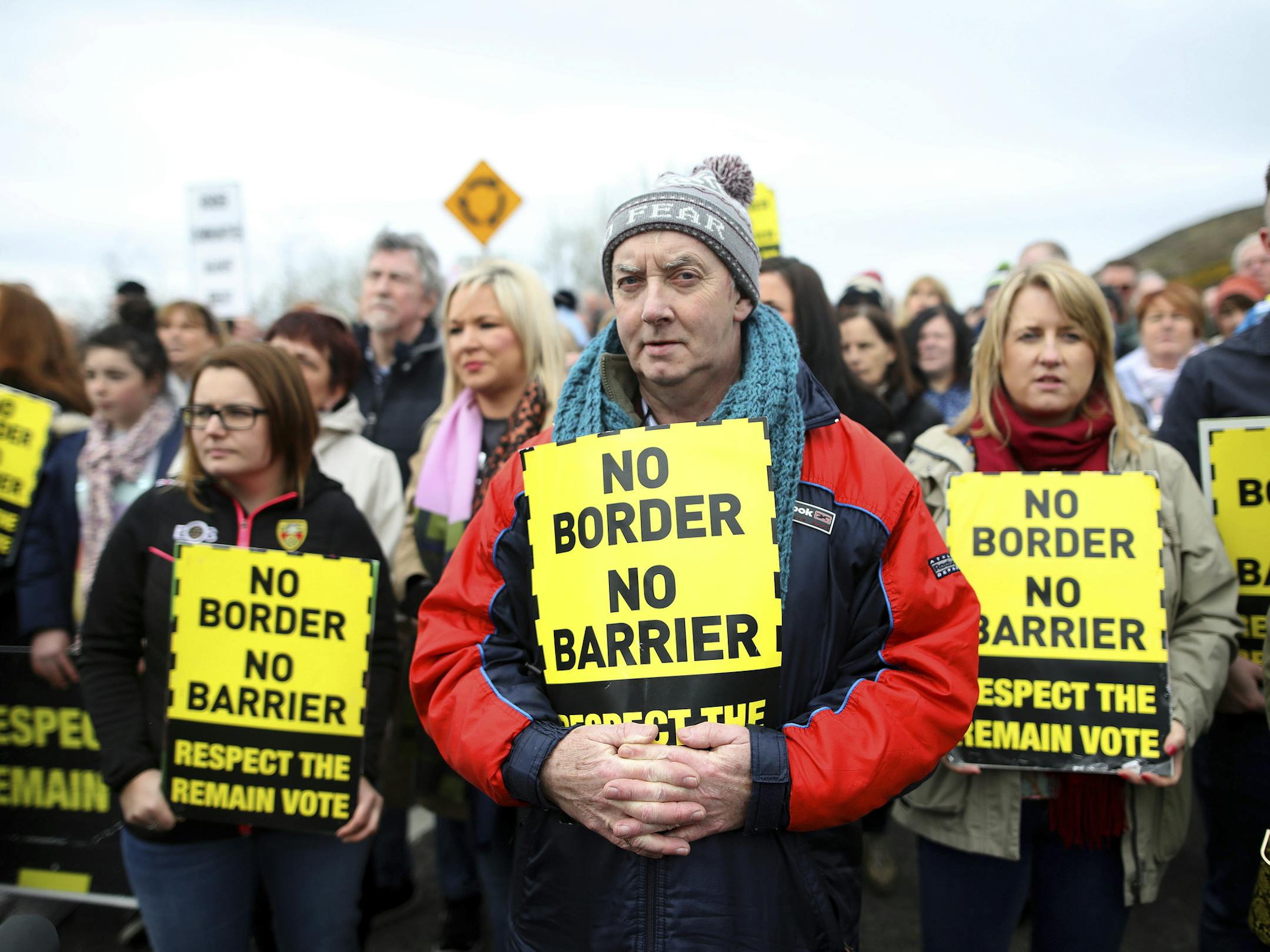
Those Britons who wished to remain are reminded, daily, that a risky and momentous national change is being initiated against their will and judgment. More striking is the deep cynicism among those who voted to leave, the group that Prime Minister Theresa May is trying to satisfy. They are now equally bitter and disillusioned, as the government's paralysis has called into question whether Britain will ever leave.
Parliament's rejection of May's withdrawal plan on Friday — for the third time — means the turbulence will continue.
In interviews, many Britons expressed despair over the inability of the political system to produce a compromise. No one feels that the government has represented their interests. No one is satisfied. No one is hopeful.
It has amounted to a hollowing out of confidence in democracy itself. "I don't think the central institutions of government have been discredited like this in the postwar period," said William Davies, who teaches political economy at Goldsmiths, University of London.