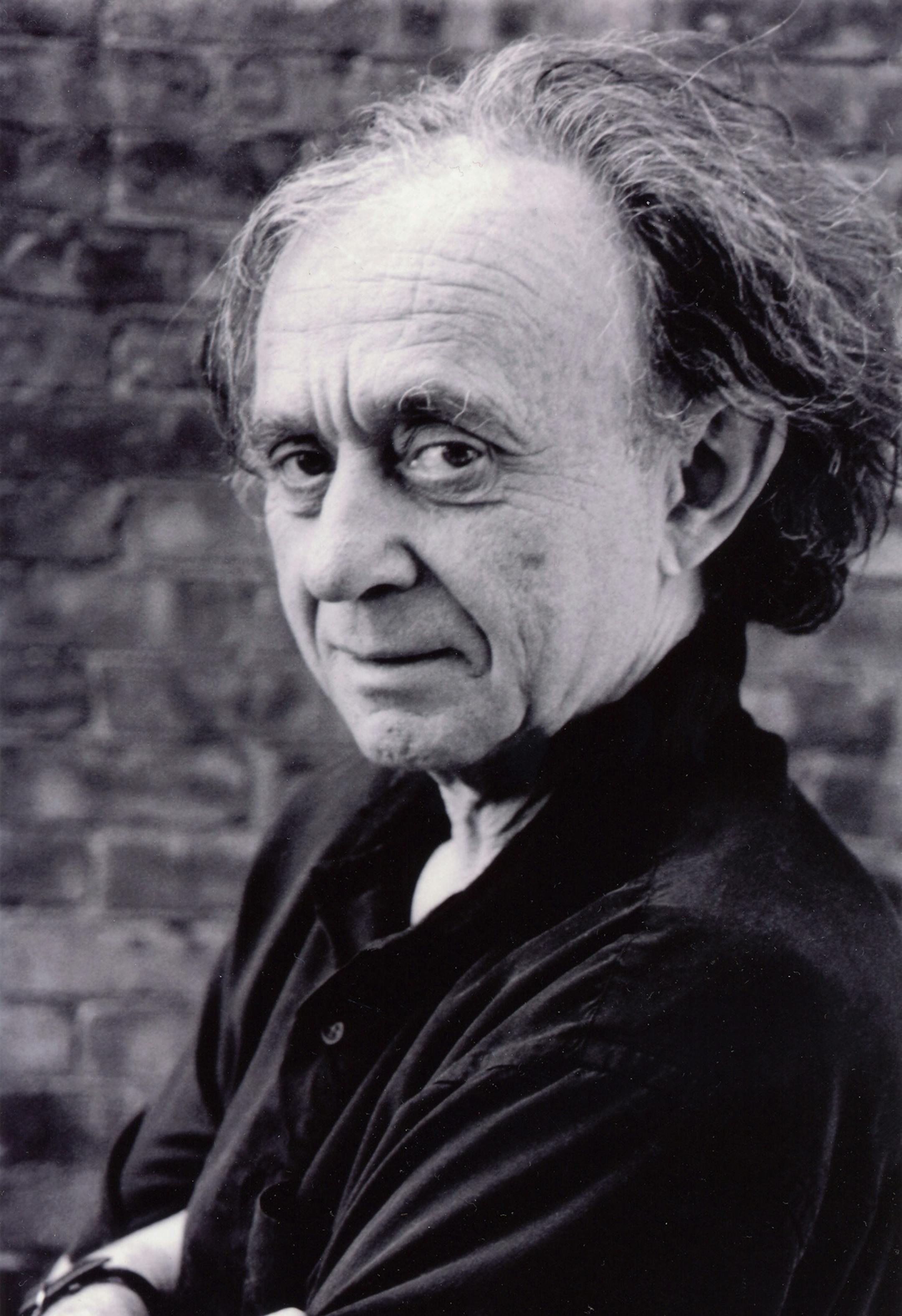
Frederick Wiseman has been called America's greatest living filmmaker. It's a title that seems hard to argue.
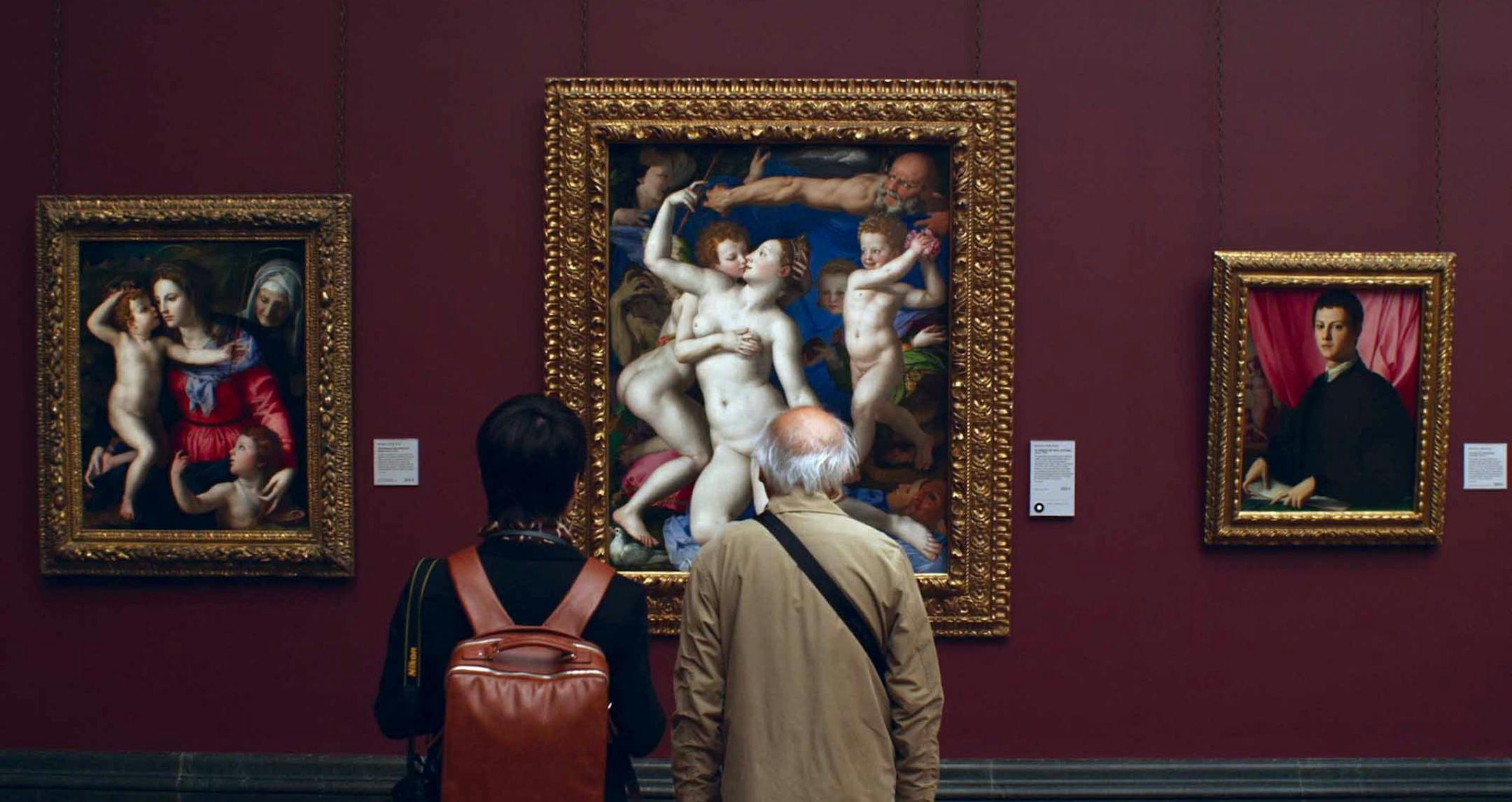
Since 1967, Wiseman has directed 42 documentaries, most of them epic explorations of social life and institutions. These include "High School," "Hospital," "Basic Training," "Public Housing" and his latest, "National Gallery," which screens four times this weekend at Walker Art Center.
Despite their strict avoidance of voice-over narration and talking head interviews, Wiseman's films are extraordinarily articulate, as is the man himself. Indeed, to talk with him is to be in the company of the sort of teacher to whom one turns for advice on vitally important matters — not only about filmmaking, but nearly everything under the sun.
In conversation, Wiseman is full of stories, many of them funny — "Marry someone rich" is his advice to fledgling filmmakers — and all of them advancing his philosophy of life and art.
Speaking of "National Gallery" on a mid-September visit to Minneapolis, Wiseman began with a tale of fools, a warning to those of us who take art for granted.
"The Museum of Modern Art did a study a number of years ago and found that the average amount of time someone looks at a painting is two seconds," he said. "What can you possibly glean in two seconds? If you really want to figure out what the artist is trying to do, you have to stop and pay attention to every single aspect of the painting — the form, the color and the story, if there's a story."
Wiseman's own storytelling certainly rewards close inspection. "National Gallery," shot in and around London's centuries-old museum, might appear at first glance to be a minor work by the filmmaker, but it expands over the course of three hours into a complex and provocative rumination on what art means — or, more precisely, on how the meanings of art are made.
Wiseman said he has been thinking about the film for 25 years, ever since his plans to make a documentary about the Museum of Modern Art were derailed when the institution suddenly reversed its decision to grant him access.