

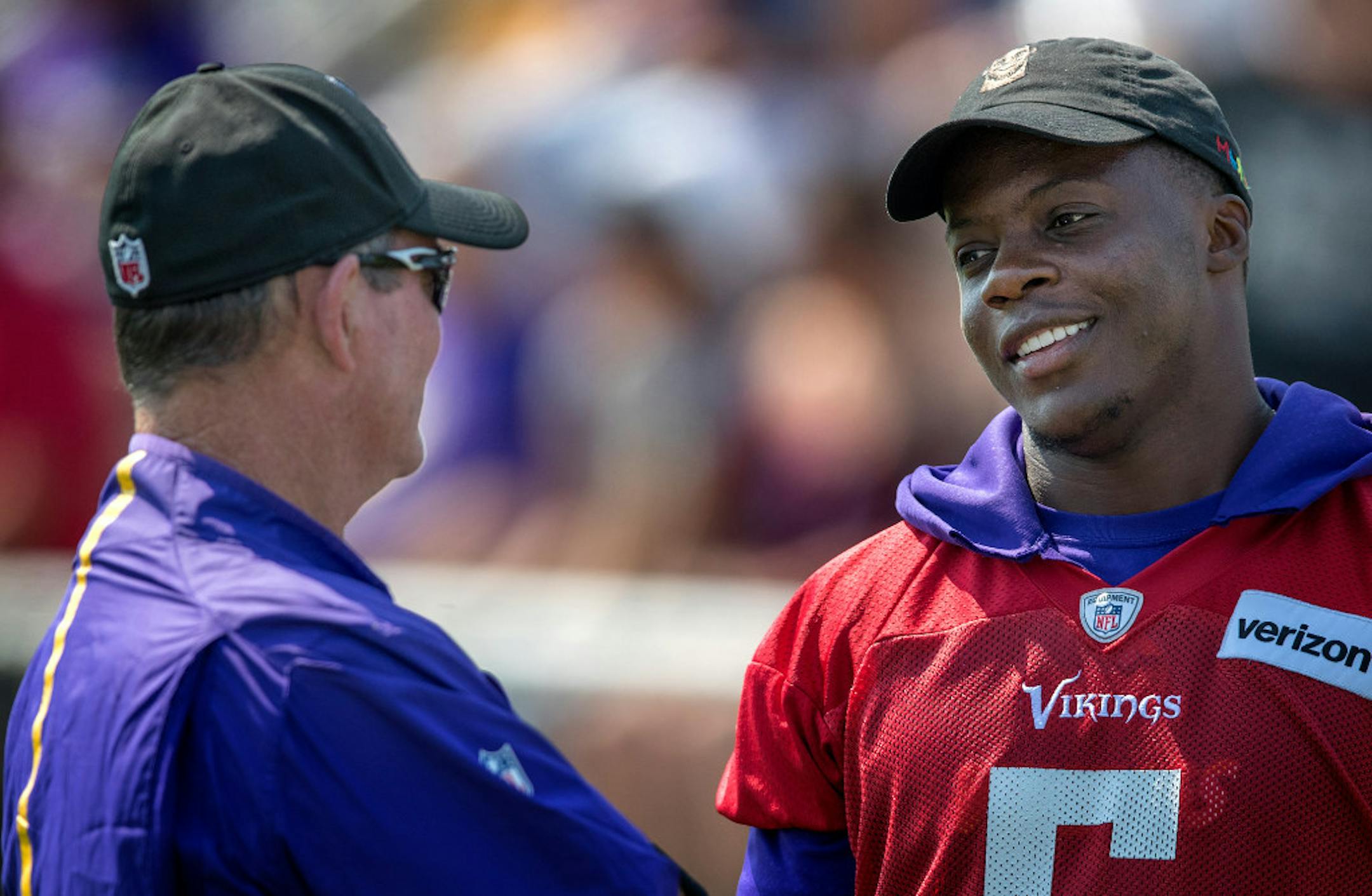
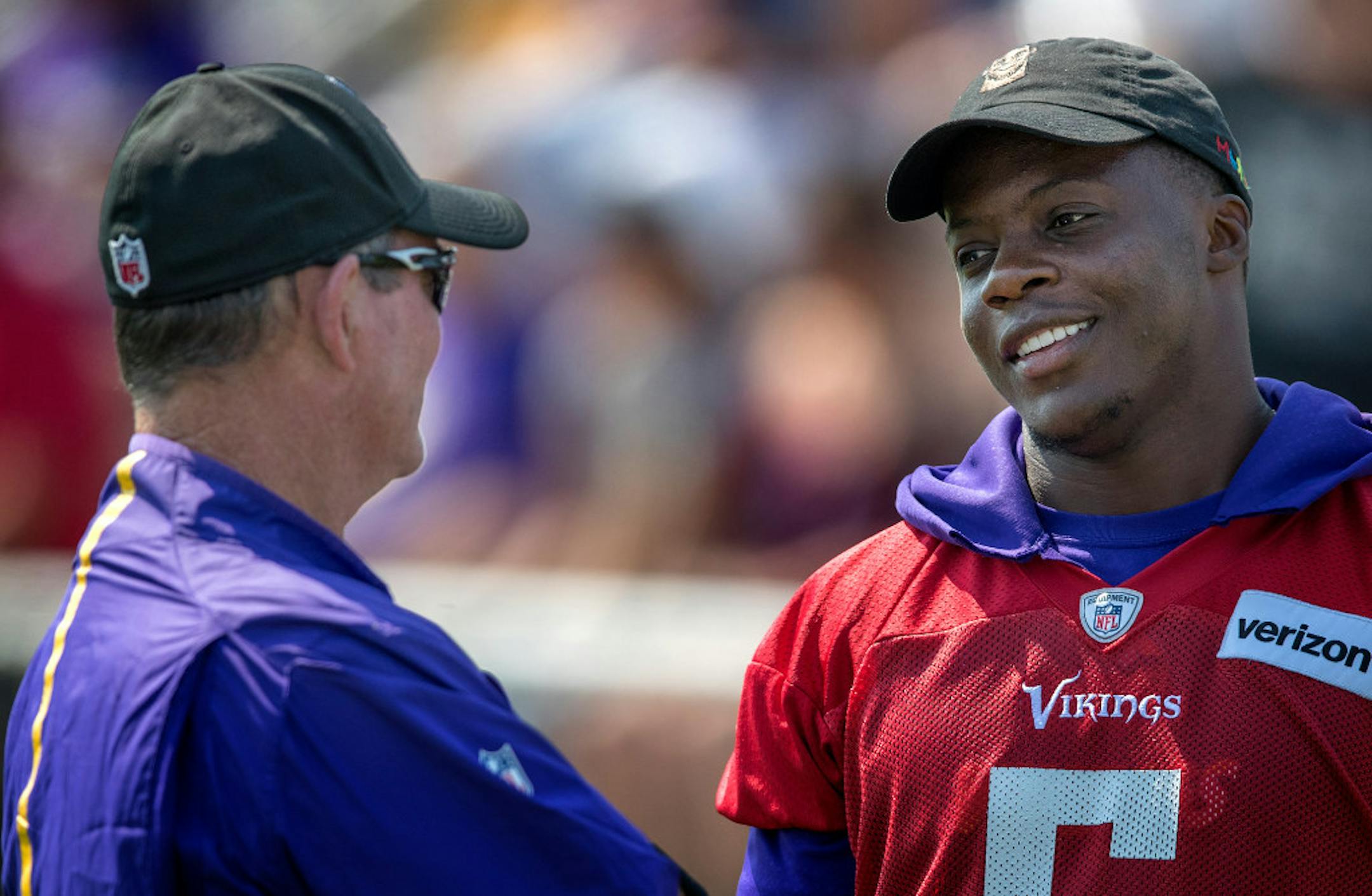
The Jets traded former Vikings QB Teddy Bridgewater to the Saints on Wednesday in a deal that made a certain amount of sense for both teams.
New York received a third-round pick (and sent back a sixth-rounder along with Bridgewater), a nice haul for a player in whom the Jets had minimal investment. The Jets also cleared up a crowded QB picture in the process, with rookie Sam Darnold now reportedly slated to start while veteran Josh McCown backs him up.
The motive for the Saints was more or less insurance. They obviously didn't feel comfortable with Tom Savage as the primary backup to 39-year-old Drew Brees in a season where New Orleans has high hopes. Bridgewater is an upgrade, even if a third-round pick is a reasonably steep price to pay.
I have seen it posited that the deal was win-win-win, with Bridgewater being the third part of that triumph triangle. The wisdom was summed up in this tweet by Peter King:
"Teddy should be thrilled. No idea if he ends up long-term with Saints — and likely he doesn't. But this is a perfect place for him for this year. Allows him to advance his game with a really smart offensive mind. Working with Brees is great for him too."
With due respect to King and everyone else espousing a similar sentiment, I very much disagree.
The best thing for Bridgewater this season is to play, and the best thing that could have happened to him — as crass as this sounds — is that a team would have lost its starting QB sometime during the preseason and the Jets would have traded Teddy to that team.
That didn't materialize, and the Jets clearly felt they couldn't wait forever. They tried to maximize value as best they could, and they made a trade that was in their best interests. But it was far from Bridgewater's best interests.


