

It was November 2014. An election loomed and David Cameron was in trouble. The polls put the British prime minister's Conservatives on course to lose a knife-edge vote to the Labour Party.
Then, his team hit on a plan that changed everything. At its heart was the idea the Tories could win if they focused on appealing to voters in England, effectively giving up the fight north of the border in Scotland.
It worked, and Cameron won, but the full impact of that campaign four years ago could prove to be even more seismic than the vote to leave the European Union which followed his victory. After another Tory election triumph, with nationalists ascendant in Scotland as well as Northern Ireland, the very existence of the U.K. itself may be at risk.
The Conservatives have won the U.K.'s past four elections but on only two of these occasions have they secured an outright majority in Parliament — in 2015 under Cameron, and again on Dec. 12 this year with Boris Johnson.
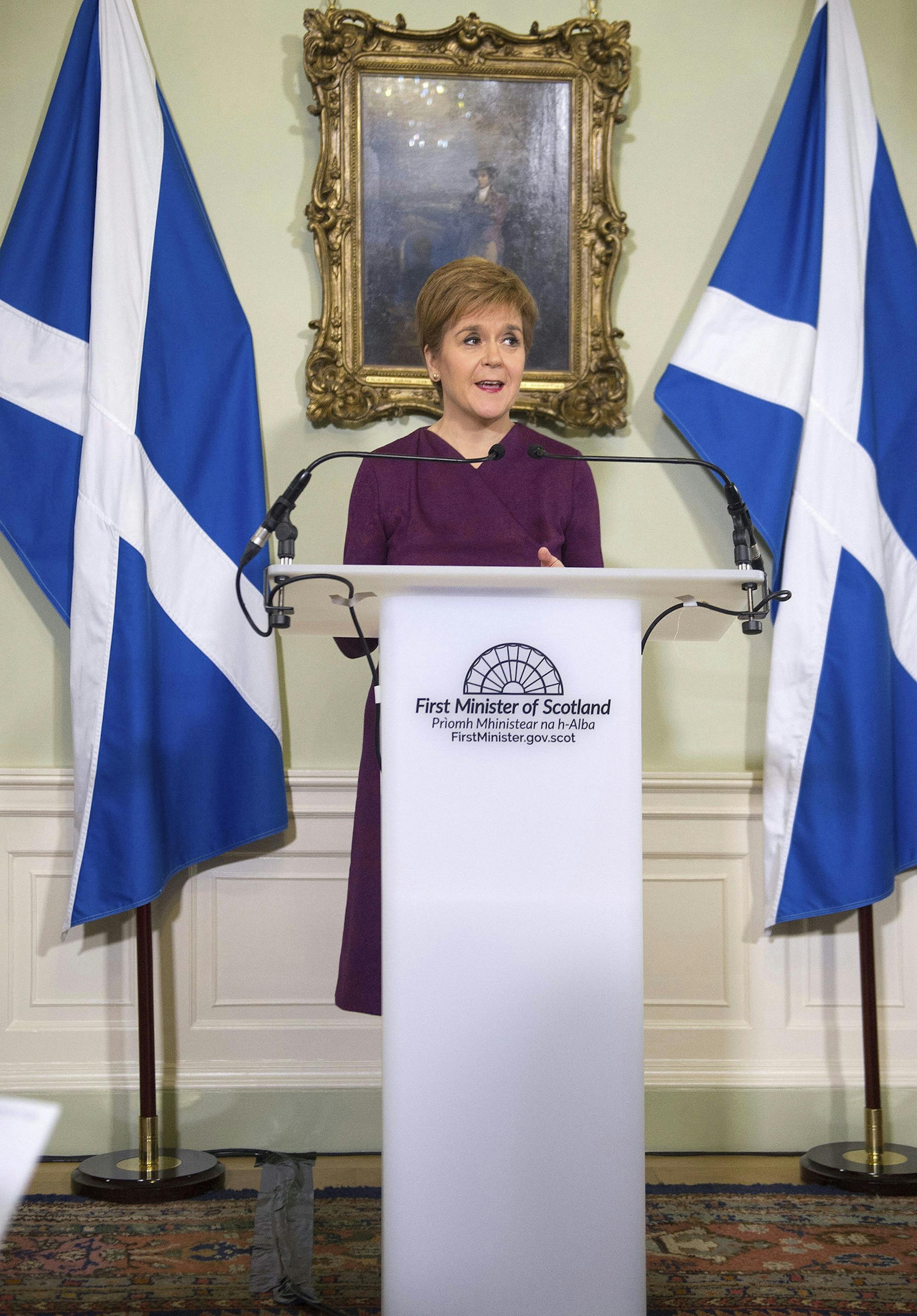
First Cameron and then Johnson won big by convincing voters across England to back the Tories. Both times they warned that a weak Labour leader would be pushed around in a coalition with the Scottish National Party. And both times, the Tories lost territory in Scotland, while the SNP surged to its own landslide.
The pattern is set. To win a majority, the Tories have largely abandoned Scotland and demonized its leaders. The result is that Britain is deeply split between these two ancient nations.
Halfway from London to Scotland lies Wakefield. In a former mining area of northern England, the city had been held by Labour since 1932 until Johnson's Tories swept through.
At 4 p.m. on the last Sunday before Christmas, dusk is falling outside the cathedral.


