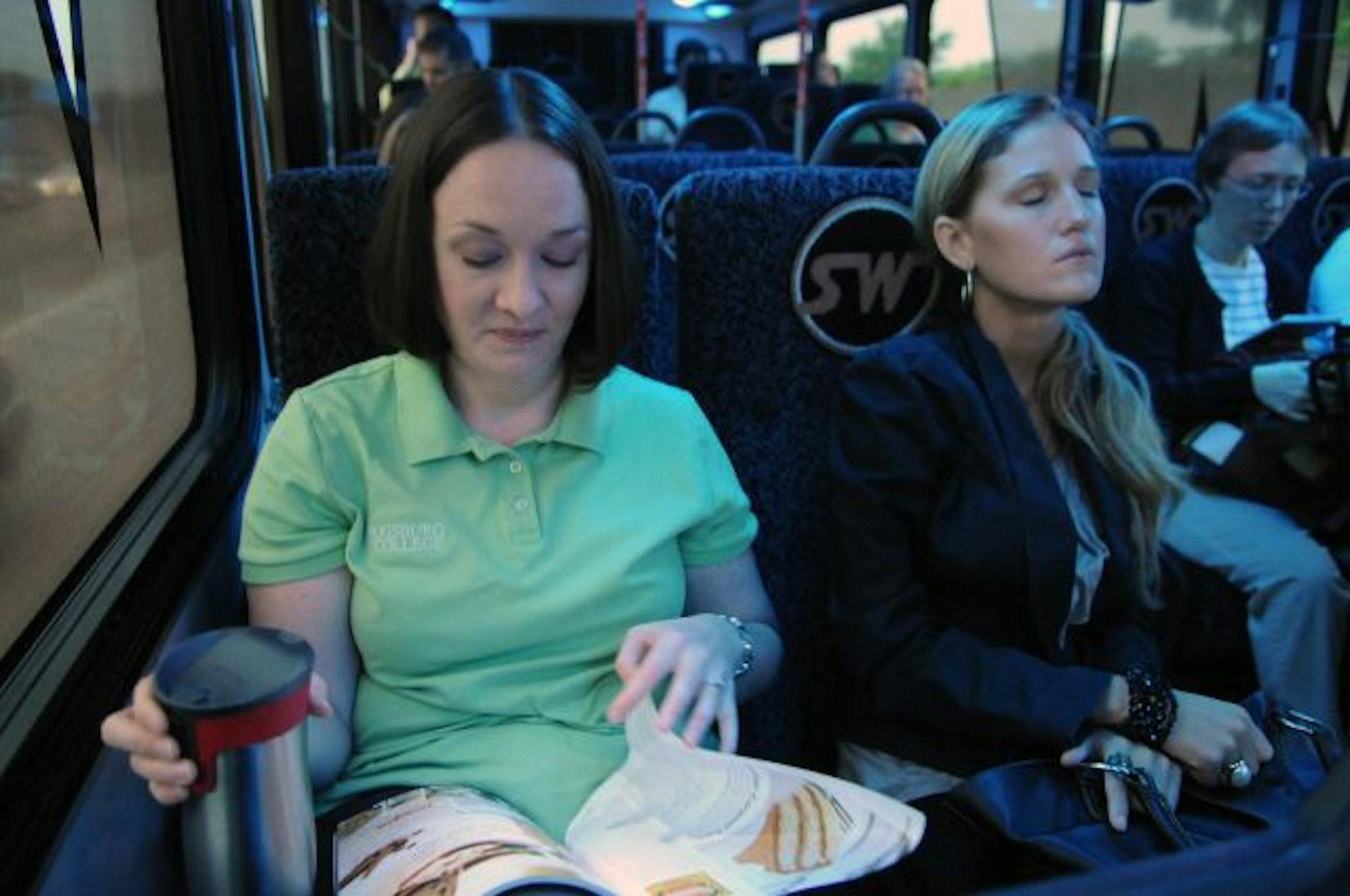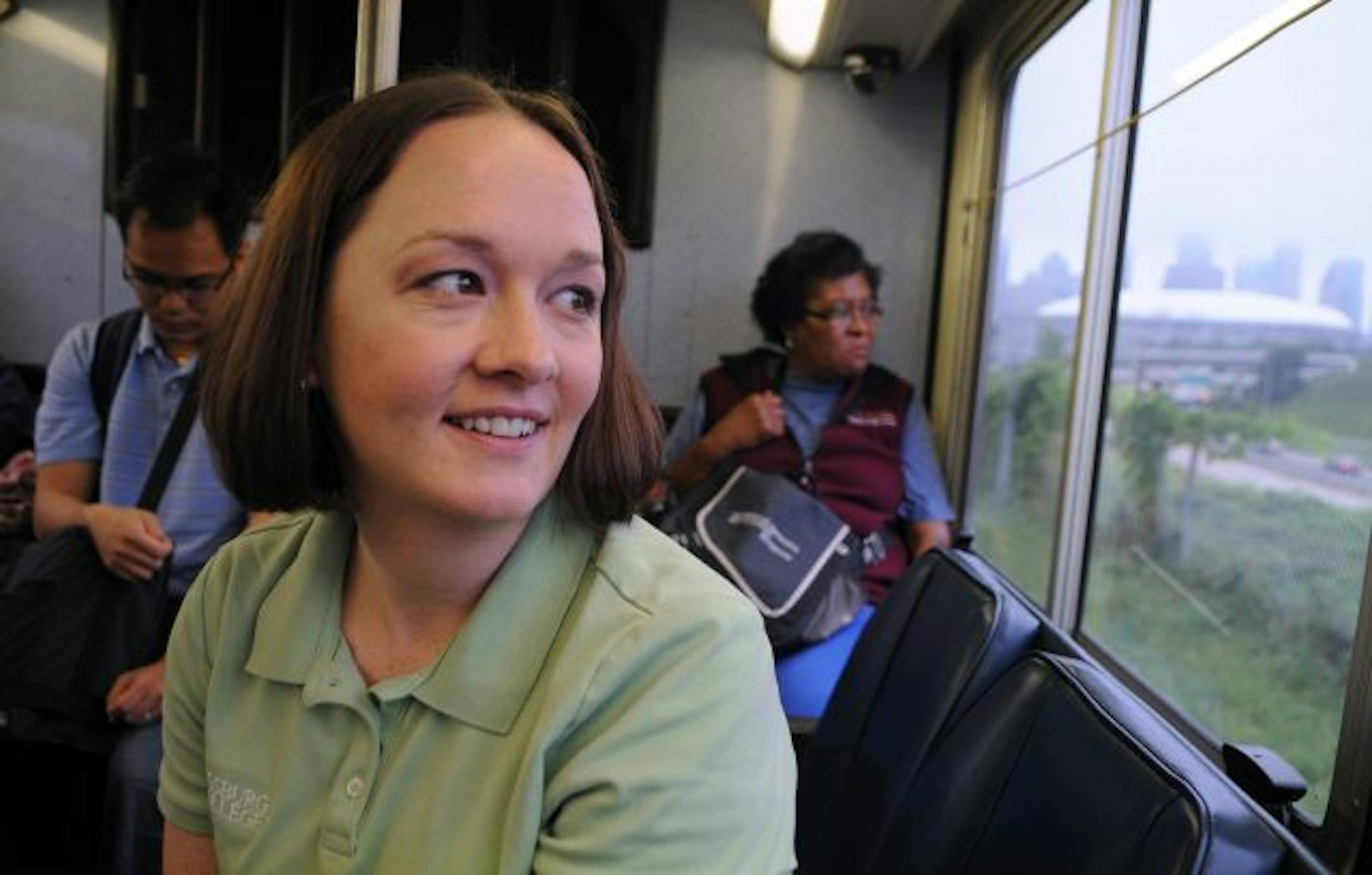
It's not that she hates city buses. She takes them all the time. But when she steps from the floral-scented atmosphere of the Eden Prairie station into one of the gleaming black coaches of SouthWest Transit, Lori York enters a different world than the one she encounters on Metro Transit buses.
Here, unlike the city bus, she feels like a first-class airline passenger, from the style of the announcements over the loudspeaker to the reclining coach seats, the footrests and the cup holder.
SouthWest, she says, is "more in touch with what a suburban commuter expects for a nice ride."
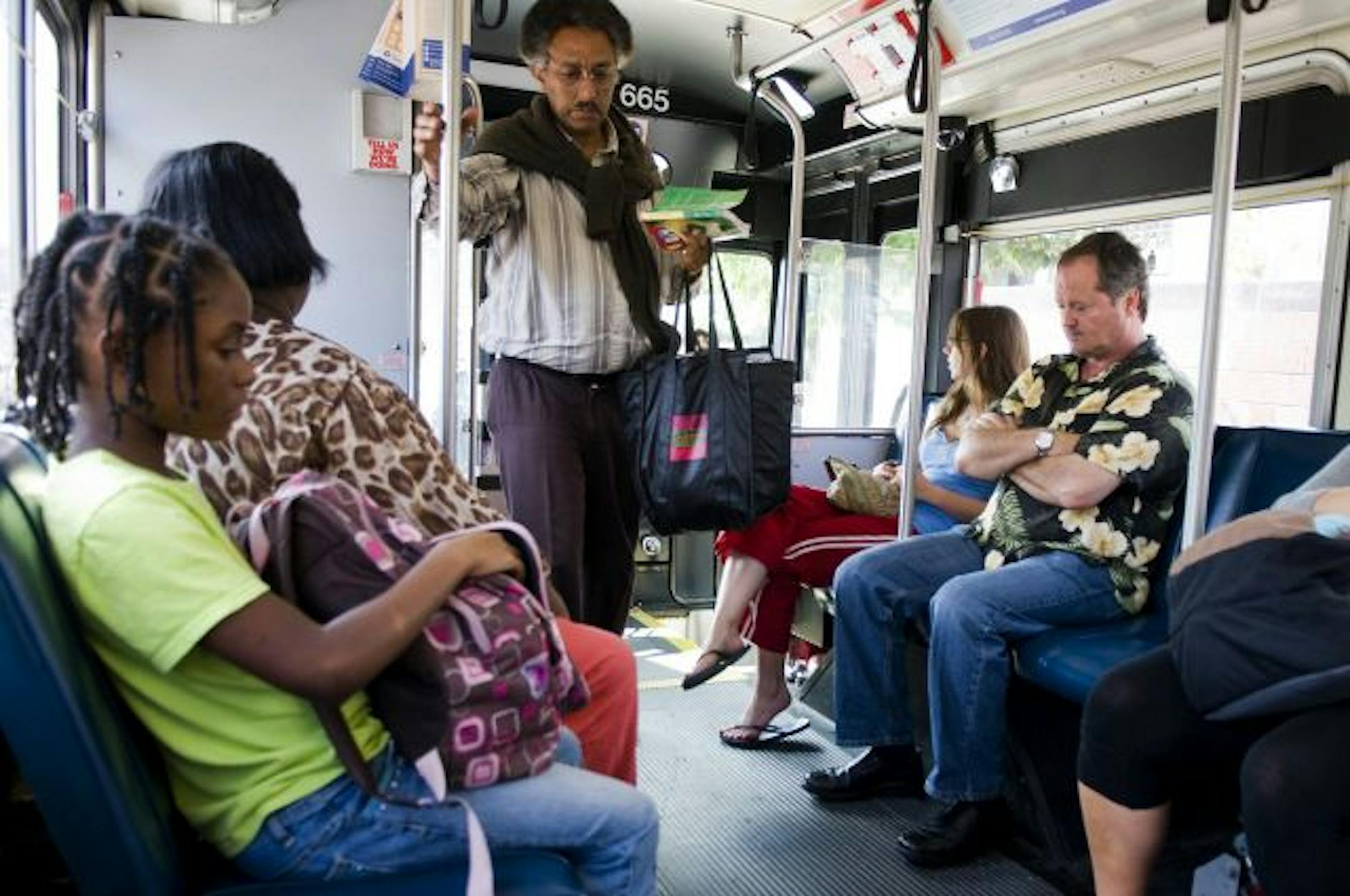
But that two-tier Twin Cities bus system, with fancy coaches serving some suburbs while bare-bones buses cruise city streets, has long rankled those who get the frill-free treatment.
And key city legislators are now openly suggesting it's unacceptable -- especially in light of data suggesting the suburban services cost significantly more per passenger. The legislative auditor is in the midst of a major study, the kind that can lead to landmark legislation.
The rumbles of change have civic leaders in the "golden crescent" of upscale western and southern suburbs worried that they could lose the ability to provide the high-quality service that draws longer-range commuters out of their cars.
While insisting it isn't pushing to put them out of business, the Metropolitan Council, which runs Metro Transit, the region's main city transit system, is drawing attention to numbers suggesting that suburban providers are taking taxpayers for a ride:
• Subsidies for express bus services run by the six so-called "opt-outs" -- suburbs or clusters of suburbs that chose years ago to withdraw from the main system -- can run twice as high per rider as Metro Transit's.