

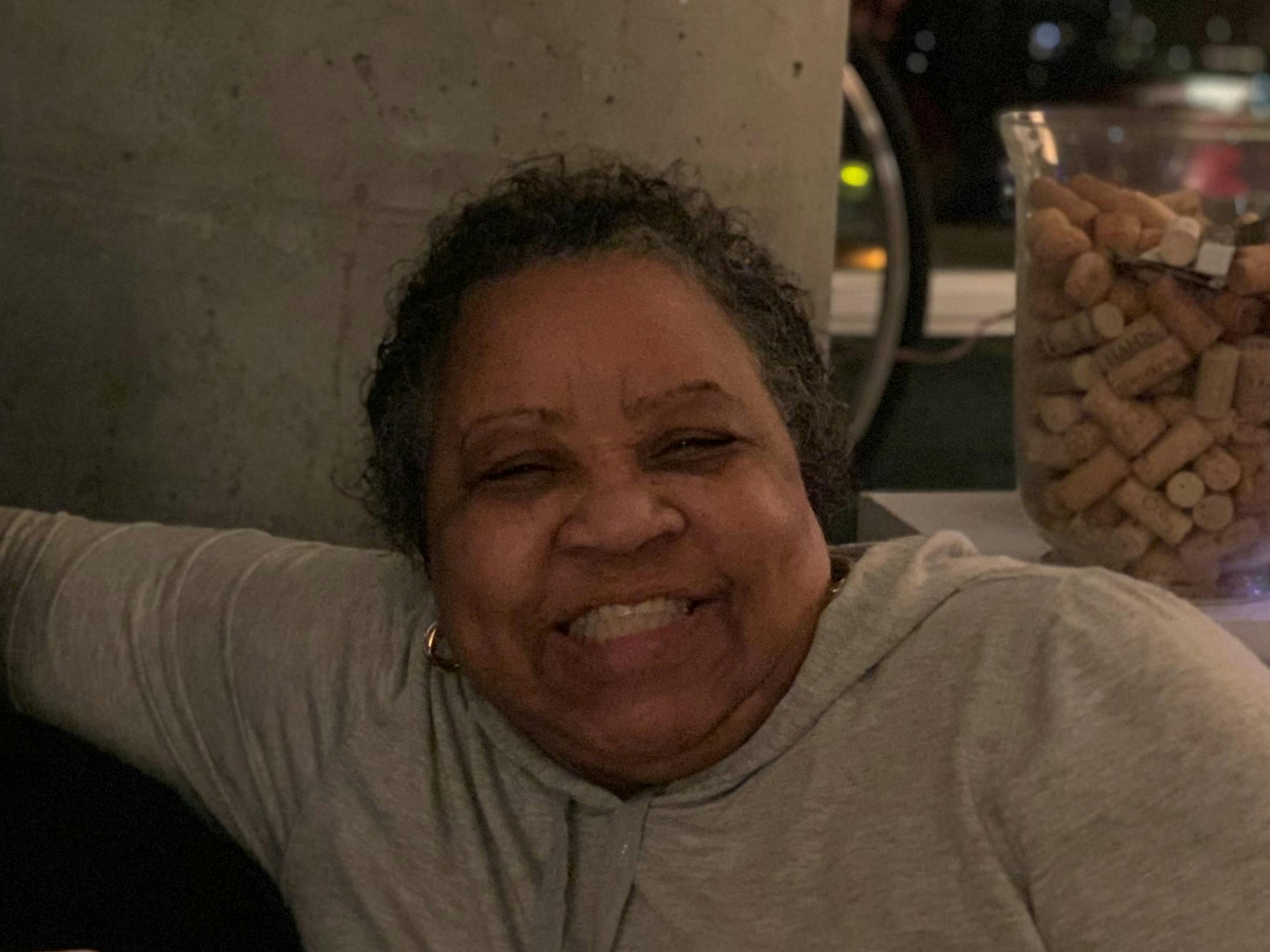
Brenda Trulove joked that she named her son Milyon because the three days he spent in the hospital as a newborn cost what seemed like a million dollars. But she treated him, and the rest of her children, as if they were worth every penny — and more.
"She really believed in her kids," said Milyon Trulove, of Portland, Ore. "She would say, 'I have the best kids in the world.' "
Trulove's four children remained her priority, even as she blazed a trail with the Hennepin County judicial system as one of the first Black women to serve as an administrative hearing officer.
After Trulove retired in January, her children supported her as she'd done for them. They cared for Trulove in her Minneapolis home before her death, on April 16, at age 71.
"She lived a life where there were so many things that could have gone the other way if not for her fortitude and drive," Milyon said. "She continued to defeat the worldly circumstances that came against her to achieve and create something for herself and her family."
Trulove was born in Louisiana and grew up in south Minneapolis. Jean Webb-Bradford of Richfield, who met Trulove in elementary school, described her lifelong friend as intelligent, fun-loving, independent and resilient — and willing to help anyone.
Trulove was one of those people who would pick right back up with you, as if no time had passed. "The first time I'd talked back with her after one of them spells, I think we must have stayed on the phone about four or five hours," Webb-Bradford recalled. "The love you have for a person doesn't change."
In the late 1960s, Webb-Bradford and Trulove were part of a tight-knit, ambitious group of girls who attended Minneapolis Central High School. At the time, there were few extracurricular opportunities for Black girls, Webb-Bradford explained. So after Trulove and her friends were excluded from the all-white pom pom team, they started their own. Their squad performed at athletic competitions and became the school's main dance line, with primarily African American members. "We saw something that wasn't right and fixed it," Webb-Bradford said. "We needed to represent. Central was our school, too. ... You could see even then that she was a trailblazer."


