

University of Minnesota researchers expected some resistance among women to warnings that breast cancer screening could result in overdiagnosis and overtreatment.
But they were surprised by new survey results showing that women weren't aware of these risks, didn't believe them once they heard them and weren't going to use them in their medical decisionmaking.
"To see such consistent replies — they were like, 'nope, nope, nope' — surprised us a bit," said Rebekah Nagler, a U communications professor who led the survey.
More than 400 middle-aged women were told that "some breast cancers found by mammograms are so slow-growing that they would not have caused any health problems for women in their lifetime."
More than 70 percent were unaware of that statement, while 48 percent disagreed with it and 54 percent said they wouldn't use it in medical decisions. The survey results were published in the journal Medical Care.
Nagler said it wasn't her role to judge whether the women were right. But in an era in which some organizations are backing off screening recommendations — and in which patients are being asked to become more involved in medical decisions — Nagler said women are lacking the latest information with which to make informed judgments.
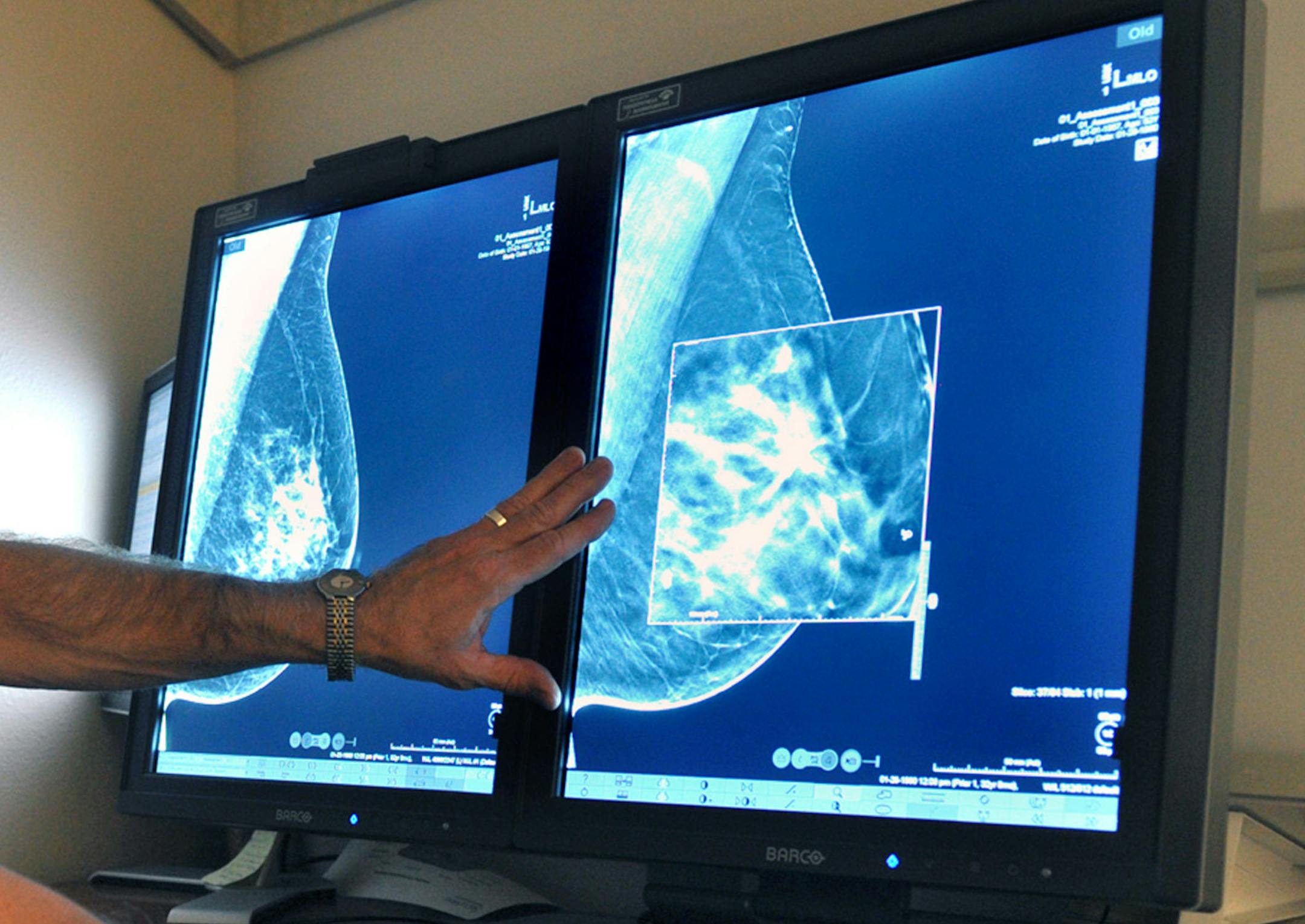
Breast cancer screening methods such as mammograms (low-dose X-rays) have been urged for decades and have contributed to a decline in deaths. In 1984, there were 32.9 breast cancer deaths per 100,000 women in the U.S. In 2014, the rate was only 20.5.
But after finding cases in which women might not have needed treatment for slow-growing cancers, organizations like the U.S. Preventive Services Task Force adjusted their guidance. The task force still recommends mammograms every other year for women ages 50 to 74, but wants younger women to discuss it first with doctors.


