

President Joe Biden wants to lead a revival of antitrust enforcement, a campaign aimed most obviously at curbing the behavior of feral tech companies.
But Biden can't achieve his goal of expanding fair competition in the U.S. solely by wrangling with Big Tech. To succeed, he'll need to confront Big Chicken, too.
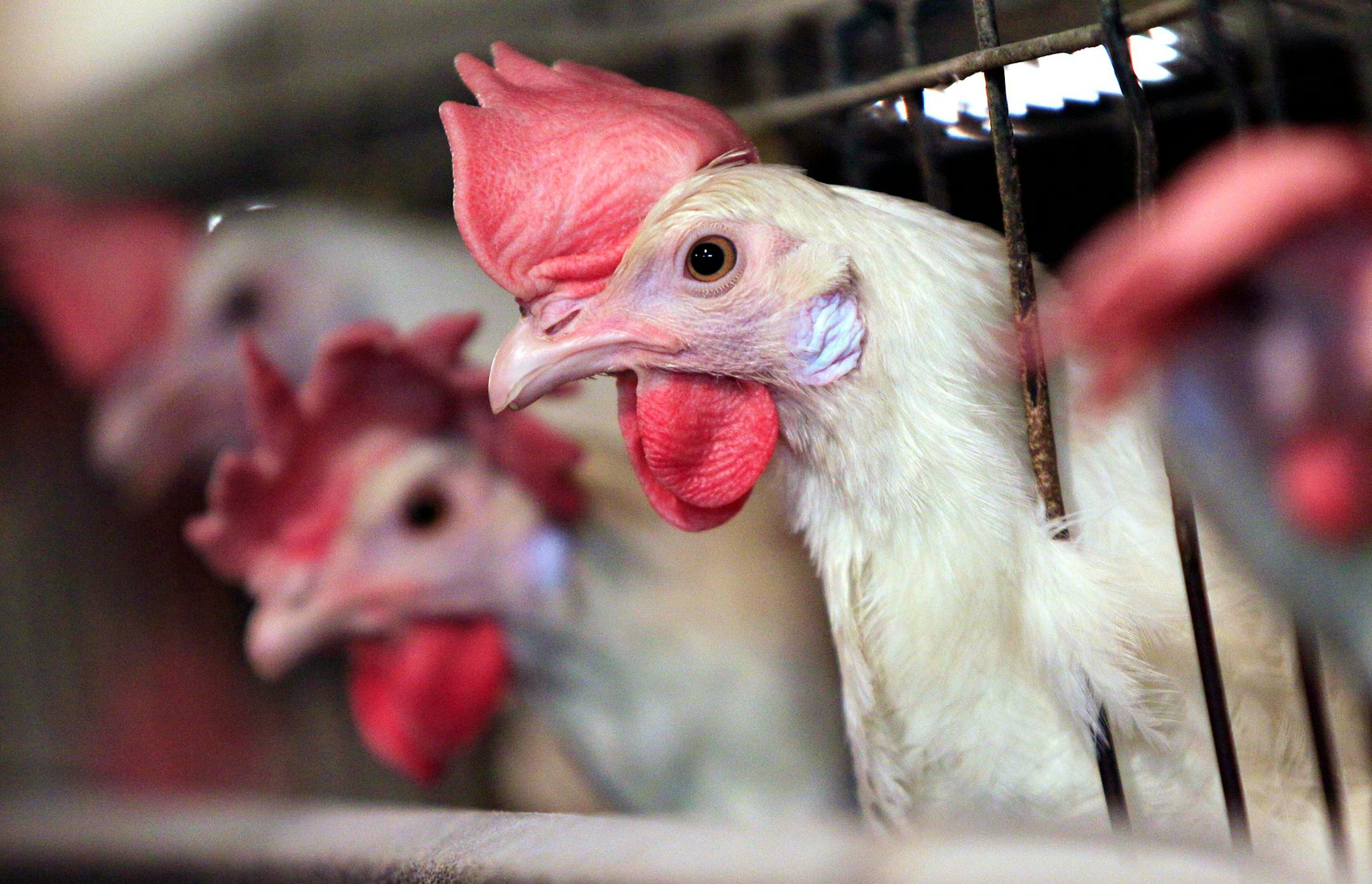
Most chicken that Americans eat is processed by a handful of big companies because, in recent decades, the government gave its blessing to the consolidation of poultry processing, along with a wide range of other industries. The unsurprising result: In recent years, the surviving companies took advantage of their market power to prop up the price of chicken, overcharging Americans by as much as 30%.
Evidence of the industry's misconduct became so blatant — thanks in part to lawsuits filed by wholesale poultry buyers — that regulators were roused from complacency. Beginning in 2019, the government has filed a series of charges against the companies and their executives.
The belated crackdown crimped the chicken co-op, at least for now. But concentrations of corporate power are now the norm in the United States. A 2018 study found that concentration has increased in three-quarters of domestic industries in recent decades, giving companies greater power to raise prices, squeeze suppliers and suppress wages — and to exert outsize influence on regulators and politicians.
Under both Democratic and Republican administrations, regulators embraced a minimalist antitrust philosophy, insisting the government should intervene only when there was clear evidence that conduct would result in higher prices. Nor did the regulators look very hard for evidence as corporations ran together like so many drops of mercury until there were just four big airlines, three big cellphone providers and two companies making 80% of the nation's coffins.
The most important change that Biden has made is installing antitrust regulators who want to enforce the nation's antitrust laws.
Lina Khan, the new chairwoman of the Federal Trade Commission, is a standout among a new generation of scholars who are pushing to reverse decades of antitrust atrophy. Her breakout moment came with a 2017 article in the Yale Law Journal, arguing that Amazon was engaged in anti-competitive behavior even though its conduct hadn't resulted in higher prices, yet.


