
Brainerd's plan to buy hydroelectric dam stirs up controversy

City is getting pushback on plan to buy hydroelectric dam from Wausau Paper for $2.6 million.

March 29, 2014 at 11:06PM
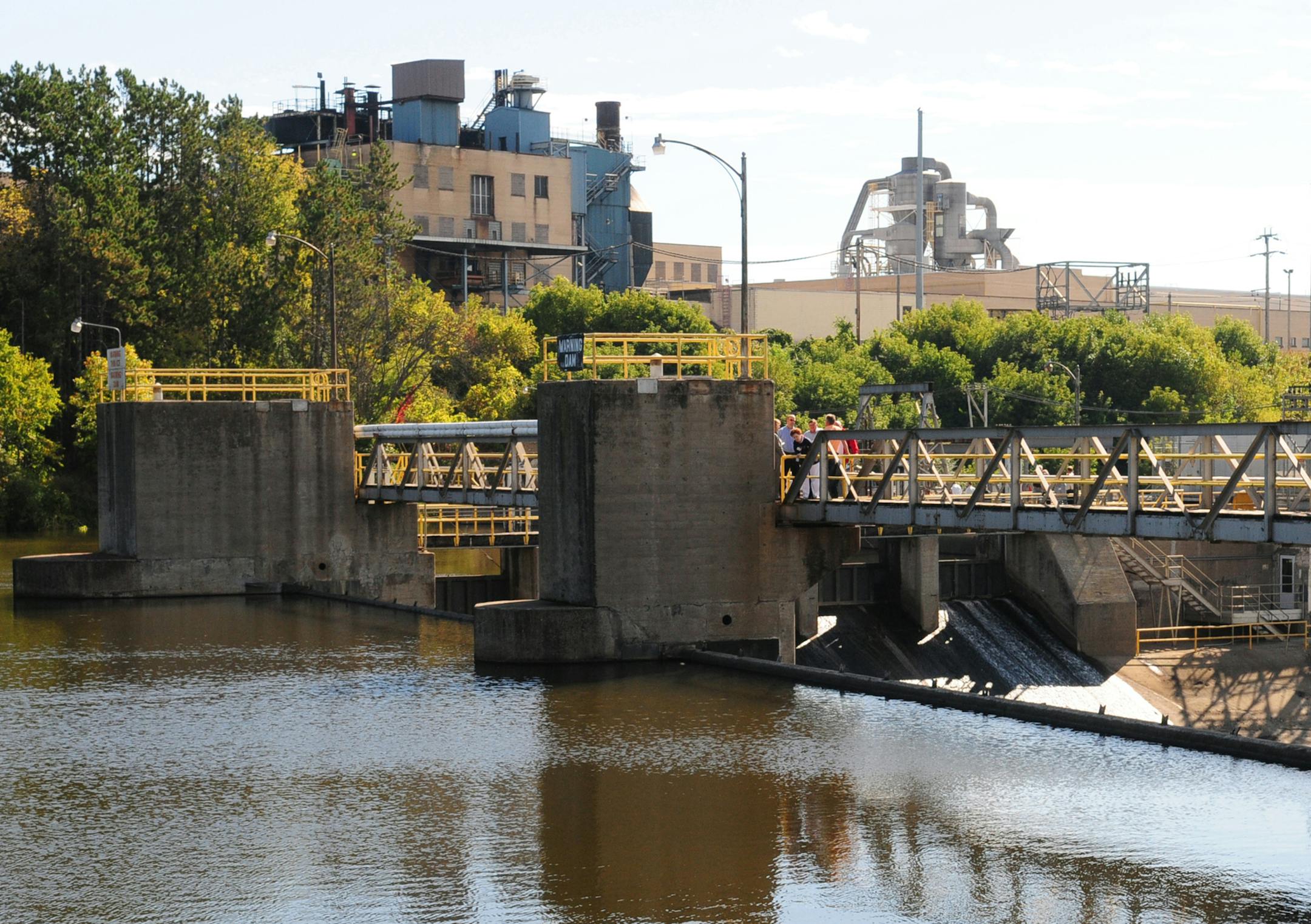
Brainerd Dispatch/Steve Kohls Brainerd city officials walk across a span of the Wausau Paper dam Tuesday during a Brainerd Public Utilities tour of the facility. Brainerd is considering buying the property to generate electricity for the city.
Brainerd is considering buying this hydroelectric dam to generate electricity for the city. Critics say they suspect it will cost the city in the long run and they want more details on its condition. (The Minnesota Star Tribune)

The city of Brainerd is on the verge of buying a hydroelectric dam that has held back the Mississippi River on the north end of town for more than 100 years. But the plan has opened a floodgate of controversy.

City leaders herald the purchase as an unusual opportunity to use more renewable energy and keep electric rates down in the process. By their calculations, the dam will generate more than $1 million worth of electricity for the city each year — about 10 percent of what it typically buys from Minnesota Power — saving the public utility commission about $280,000 a year once operating costs are added in.

Critics say the city has been too secretive about the details of the dam's condition and they suspect it will cost the city in the long run.

The sale is coming nearly a year after Wausau Paper closed its Brainerd plant and looked for buyers for both its facility and its nearby dam, which city officials say was rebuilt in the 1950s.

The city won a bid of $4.1 million on the dam originally. After consultants inspected it, leaders agreed on a price of $2.6 million, expecting to spend an estimated $1.5 million right away to repair the dam's pocked concrete spillway apron and another $600,000 on equipment upgrades over the next five years.

The city will borrow money for both the purchase and repairs, leaders said.

"It's not too many cities that have the opportunity to buy a hydroelectric dam like this," Mayor James Wallin said. "Overall I think it's a good investment."

But former mayor and City Council Member Bob Olson decried a lack of transparency on the deal, saying the council held no public hearings and officials refused to publicly release the consultant's report on the condition of the dam. He and others who have tried to get the report say they've been told it hasn't been released because of federal regulations saying that engineering, vulnerability and detailed design information about critical energy infrastructure is not public.

Olson doesn't buy it. "They don't want to let the public know the millions of dollars they have to spend on repairs and maintenance on this dam," he said. "Buying this dam is a pig in a poke."

Council Member Mary Koep cast the sole vote against the $2.6 million purchase. She said former paper mill employees who worked on the dam met privately with utilities officials to raise concerns about its condition. She said she saw nothing in the consultant's report that couldn't be made public and she questions the long-term expense of running the dam.

Public Utilities Finance Director Todd Wicklund said consultants addressed critics' concerns. The city still needs legislative approval to finish the deal, and in a memo of their talking points, leaders wrote that three engineering companies and others groups issued reports on the dam's condition, with none labeling it poor. The city expects it will pay off debt for the dam in 15 to 20 years at the latest, Wicklund said.

Council Member Gary Scheeler said the dam will give the city renewable electricity and an ability to protect the resources in and around Rice Lake, formed by the dam.

"This is super because, you know, we're going away from fossil fuels," he said. "We've got bald eagles, we've got otters, we've got all kinds of stuff."

City officials acknowledge the dam is being sold to the city at an inexpensive price: "We're not buying a new dam. That would be the primary reason," Wicklund said.

Koep said she thinks the price is low because it has expensive potential problems to fix.

Pam Louwagie • 612-673-7102

about the writer

about the writer

Pam Louwagie

Reporter

Pam Louwagie is a regional reporter for the Minnesota Star Tribune. She previously covered courts and legal affairs and was on the newspaper's investigative team. She now writes frequently about a variety of topics in northeast Minnesota and around the state and region.

See Moreicon

More from No Section

See More
FILE -- A rent deposit slot at an apartment complex in Tucker, Ga., on July 21, 2020. As an eviction crisis has seemed increasingly likely this summer, everyone in the housing market has made the same plea to Washington: Send money — lots of it — that would keep renters in their homes and landlords afloat. (Melissa Golden/The New York Times) ORG XMIT: XNYT58
Melissa Golden/The New York Times

It’s too soon to tell how much the immigration crackdown is to blame.