

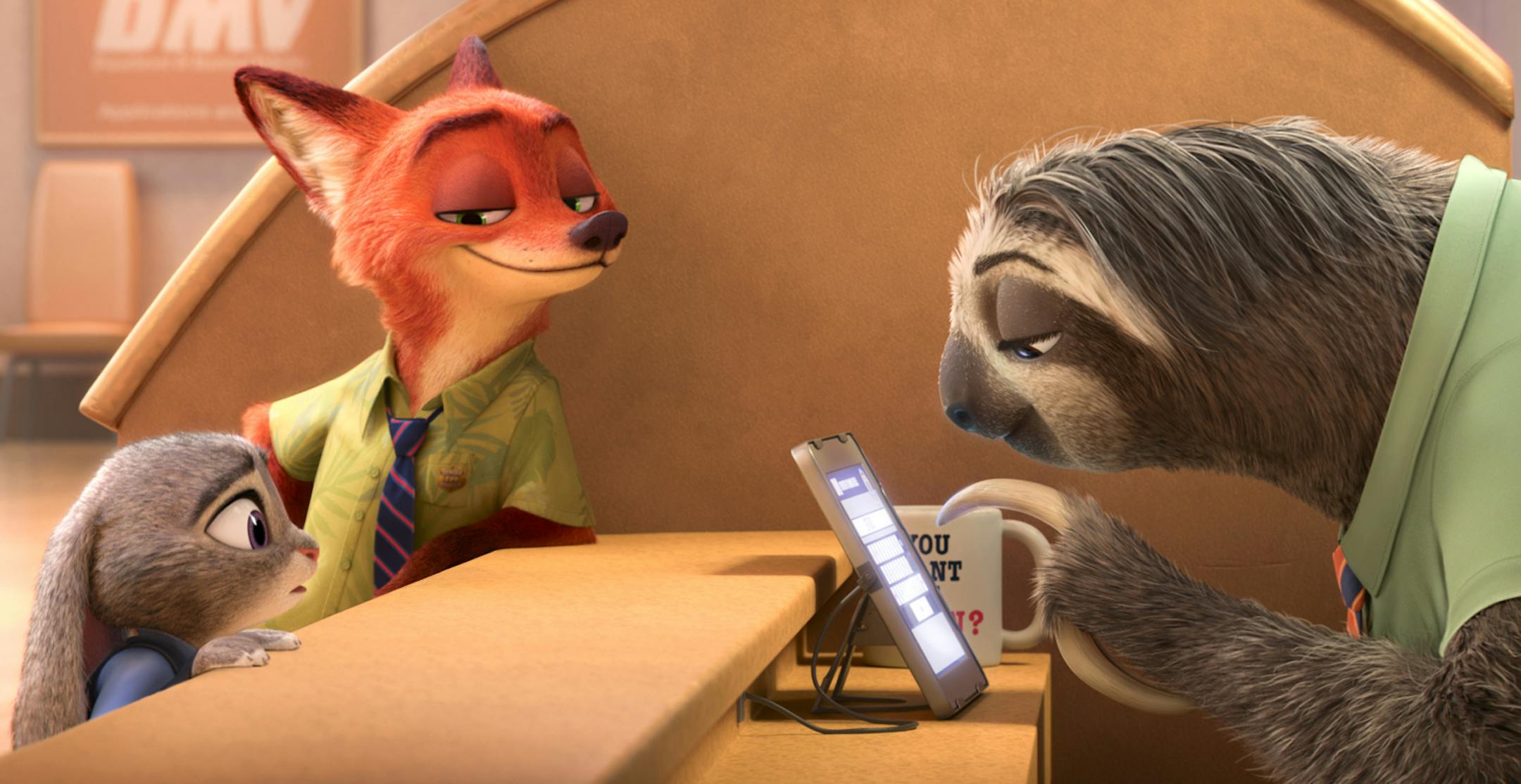
Pass the popcorn. Tension bubbled under the surface at CinemaCon, the annual gathering this week in Las Vegas of America's movie theater industry, which is facing a new round of threats after decades of defending its business in the television age.
At first glance, things look great. Hits like "Deadpool" and "Zootopia" have sent box office sales surging 12 percent in the first quarter from a year earlier. New seating and projection technologies, such as "4D" movies with smells and other special effects, are coming to the fore. And theater stocks are outpacing the Standard & Poor's 500 index for the first time in three years.
"Everyone is riding into this on cloud nine," said Barton Crockett, an analyst at FBR & Co. Any "rumblings of thunder, storm clouds" are distant worries, right now, he said.
But the rumbling is getting louder. It's likely that the most talked-about visitor at this year's gathering of movie exhibitors wasn't an official attendee. Screening Room, a company backed by Napster co-founder Sean Parker, planned to meet with potential partners at the gathering about its controversial plan for an at-home service that would show first-run movies at home, just when they debut in theaters.
"Screening Room is going to overshadow anything that is officially going on," said Jeff Bock, senior box office analyst at Exhibitor Relations Co. "It's the future of the industry in some ways — or the future that right now the industry doesn't seem to want but may be inevitable."
Challenges aplenty
While it's too early to tell whether Screening Room can recruit enough partners to become viable, it adds to the challenges the industry is grappling with. Attendance has stagnated, with about 1.32 billion admissions last year — up from 2014 but below the two years before that.
The second- and fourth-largest theater chains, AMC Entertainment Holdings and Carmike Cinemas, are merging to get more heft in negotiations with studios and vendors and to cut back-office costs. And thanks to the Internet, moviegoers have more competition for their attention than ever.
"It's a wild, wild world to be in right now," said Barbara Twist, managing director of Art House Convergence, which represents the interests of 600 small theater operators and allied businesses across the country.


