

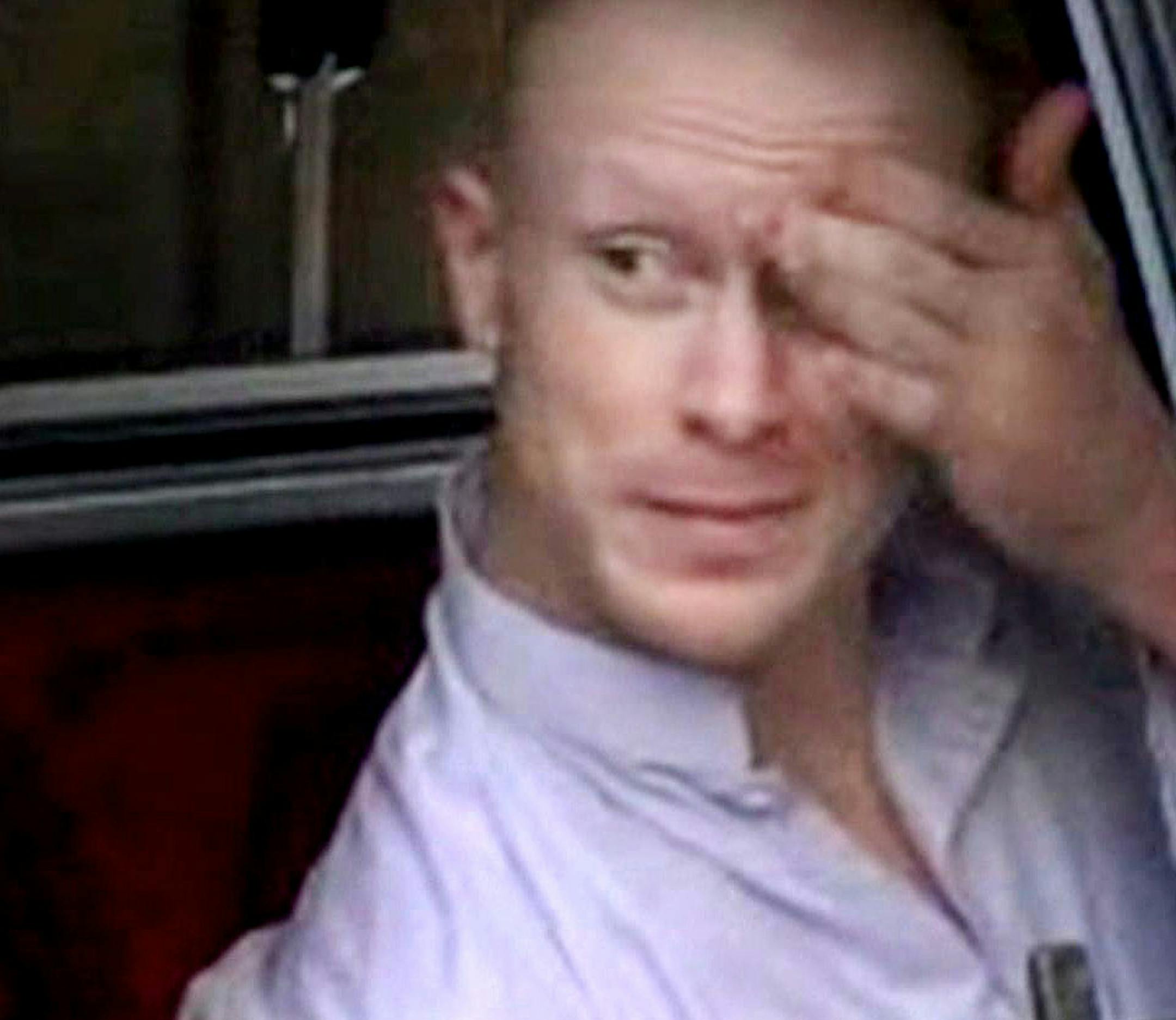
WASHINGTON - The armed Taliban fighters who captured Bowe Bergdahl in southeastern Afghanistan on June 30, 2009, quickly handed him to a far more dangerous group that shuttled him between hide-outs in Pakistan's rugged tribal belt for the next five years.
For much of that time, CIA drones trolled the skies overhead, searching for signs of the missing U.S. soldier. Until late last year, the drones fired missiles that killed hundreds of fighters and at least one senior leader from the militant group, known as the Haqqani network.
A five-month halt in the CIA drone strikes this year coincided with intensifying efforts to get Bergdahl out. His return on May 31 has freed the CIA to resume the attacks, and drones hit targets in the tribal area known as North Waziristan, where the Haqqani group is based, on Wednesday and Thursday, killing 16 militants.
U.S. officials believe the Haqqani network ultimately agreed to release Bergdahl in an exchange for five Taliban detainees from the U.S. prison at Guantanamo Bay in part because one of the five was Mohammad Nabi Omari, a relatively low-ranking Taliban official but a Haqqani associate.
The story of Bergdahl's captivity, and the hunt to find him, is far more complex than has emerged to date. The new details raise questions about how much U.S. intelligence agencies knew of his location when they were firing drones, whether rescue attempts were ever possible, and whether Pakistan's intelligence agency, which U.S. officials say has close ties to the Haqqani group, helped or hindered his ultimate release.
Bergdahl was admitted early Friday to Brooke Army Medical Center in San Antonio after two weeks at a U.S. military hospital in Germany. He remains in the military and it's unclear whether he will speak publicly about his ordeal.
According to Pakistani sources close to the Haqqani network, Bergdahl was taken to North Waziristan only a few days after he wandered off Outpost Mest Malak in Afghanistan's Paktika province. An unconfirmed report given to U.S. special operations forces said local Taliban fighters gave or sold the American to a timber merchant who then smuggled him across the border.
Bergdahl was moved at "very frequent intervals" in Pakistan, often between hide-outs in the Shawal Valley, close to the Afghan border, according to an individual with close contacts to the Haqqani network.


