

I was in my early 20s when my buddy and I launched our canoe into Seagull Lake off the Gunflint Trail — my first trip to the Boundary Waters Canoe Area Wilderness.
Though that adventure was 40 years ago, I remember it vividly: drinking water from lakes, sitting around campfires under the stars, savoring the solitude of the wilderness. It was an indelible experience.
The weeklong trip kindled a lifelong love affair with the Boundary Waters and neighboring Quetico Provincial Park.
Like most novice travelers, we didn't really know what we were doing. We used a heavy aluminum canoe, and I struggled with a metal-framed backpack and wooden paddle that was too long for me. My leather work boots and cotton jeans were poor choices, too.
It didn't take me long to learn the tricks that made traveling in the boundary waters safer, more comfortable and more fun. So if you're contemplating your first BWCA trip — or just haven't been there for a while — here are some tips I've learned over 40 years of paddling canoe country.
Gear is crucial
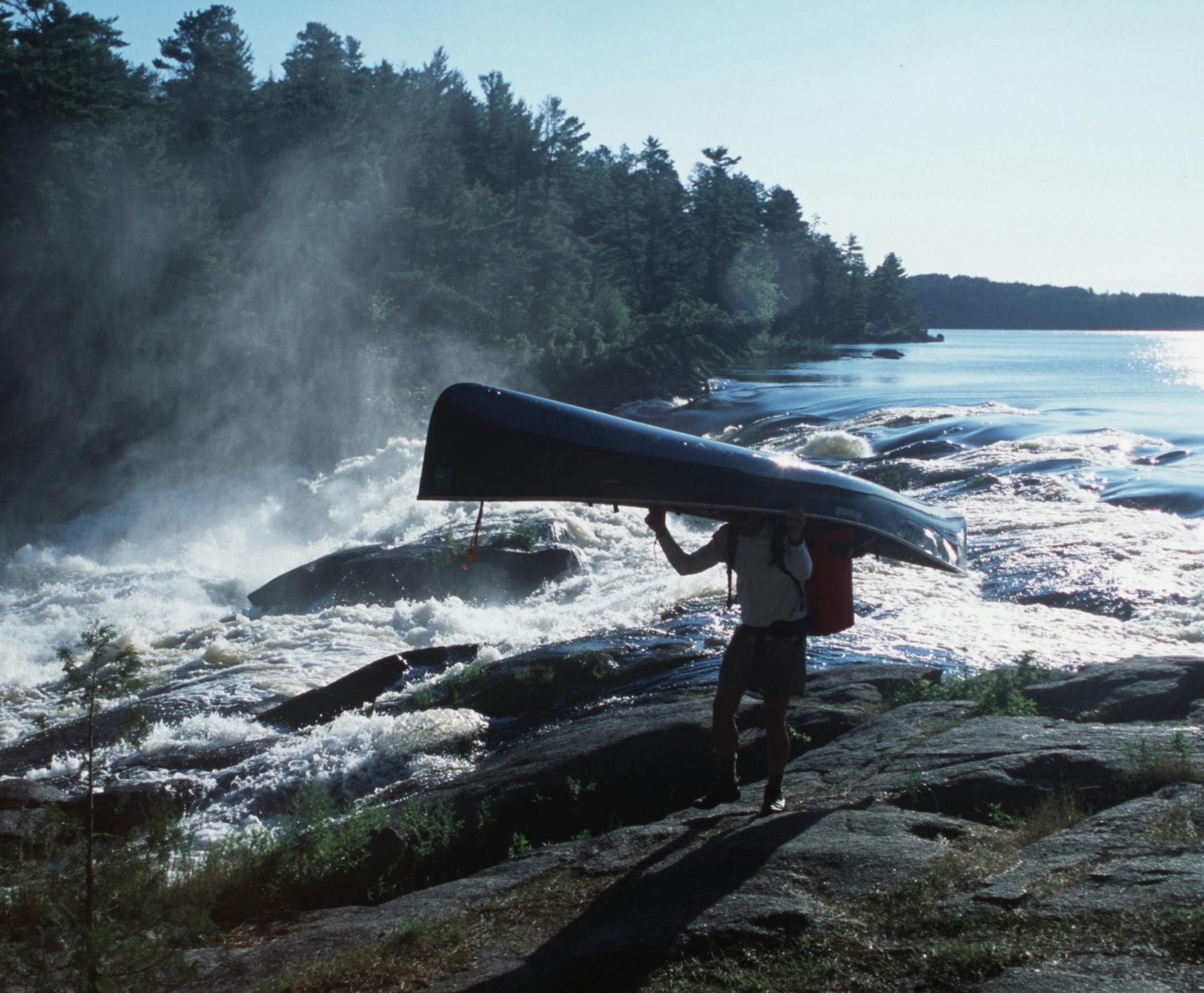
Proper gear can make the difference between misery and ecstasy. Start with the canoe: Last year, with a pack on my back, I followed a middle-aged camper huffing and puffing across a long portage shouldering a 75-pound aluminum canoe. I felt bad, because his struggle could have been avoided. Somewhere behind me, my wife was carrying our 42-pound Kevlar canoe. Hey, I own an aluminum canoe; they're indestructible. But I haven't considered portaging one for years. My first advice: buy, borrow or rent a Kevlar canoe; you'll be glad you did.
Frugality might be an asset in everyday life, but not when it comes to tents, rain gear and footwear — all of which are critical in the BWCA. Make sure your tent is waterproof. Nothing wrecks a trip like a soggy sleeping bag. Expect to pay hundreds of dollars for a high-quality tent. And when it comes to rain gear, you get what you pay for. Don't skimp.
Because I'm paddling Kevlar canoes and getting out in the water at each landing, rather than beaching on rocks, I wear self-draining boots or water shoes made specifically to get wet. Avoid anything cotton. Bring fleece, which will retain heat even when wet.
![University of Minnesota Ph.D. Student David Chaffin has spent the past two summers counting temperate tree species and the extent of earthworm invasion in the BWCA wilderness. As the Boreal Forest retreats north, places like this pine studded campsite on Upper Pauness Lake could change to maple and oak.] BRIAN PETERSON • brianp@startribune.com BWCA, MN - 08/16//2013 ORG XMIT: MIN1308201115244595](https://arc.stimg.co/startribunemedia/J2WZPX37QWRNGKZYIHK2R6VFIU.jpg?&w=1080)


