

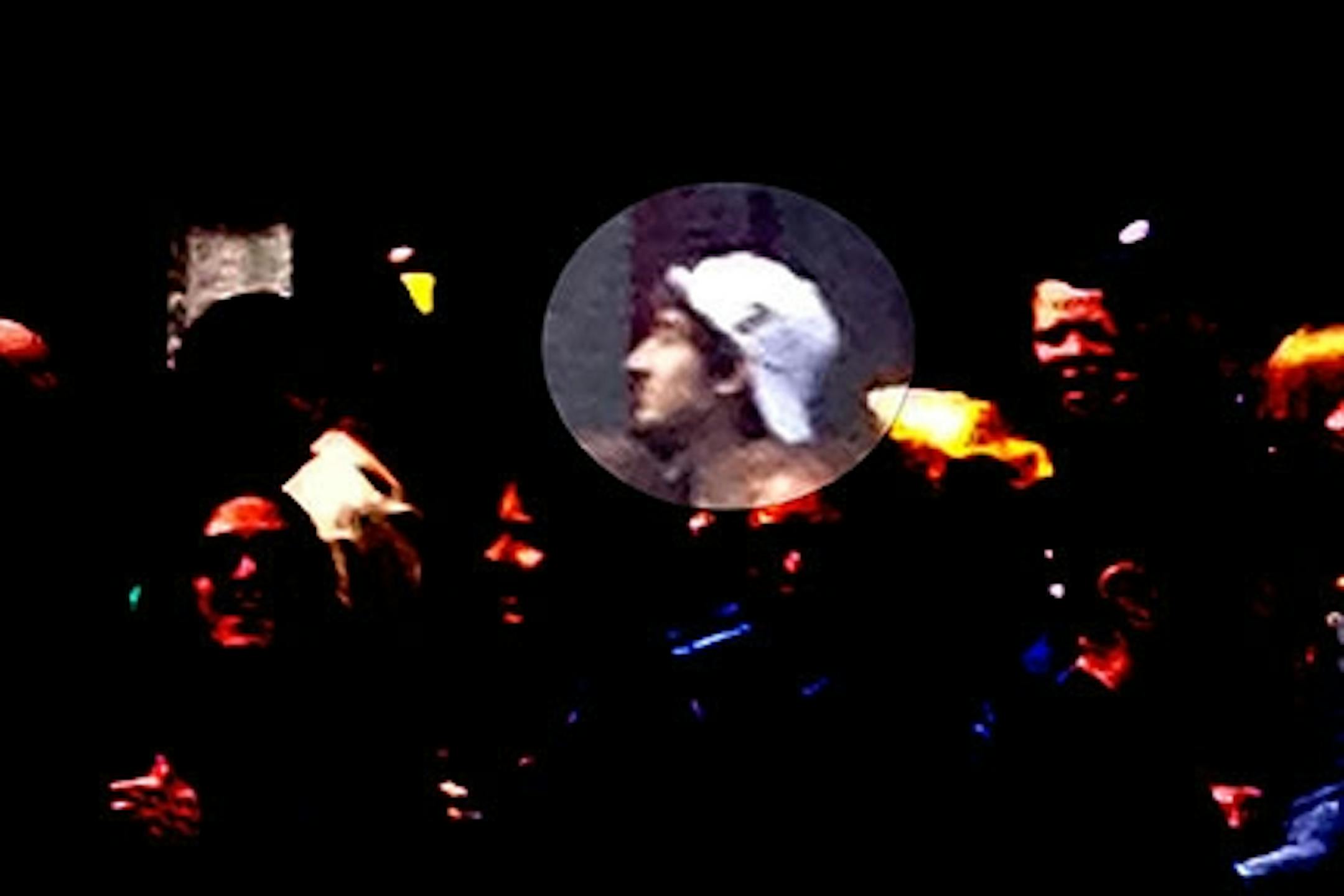
On Thursday afternoon, the FBI released photos and video of two persons of interest in the Boston Marathon bombing. Surveillance cameras turned out to be their undoing.
We should see this as a sign of the virtues of video surveillance. More than that, we should think about how cameras could help prevent crimes, not just solve them.
Cities under threat of terrorist attack should install networks of cameras to monitor everything that happens at vulnerable urban installations. Yes, you don't like to be watched. Neither do I.
But of all the measures we might consider to improve security in an age of terrorism, installing surveillance cameras everywhere may be the best choice. They're cheap, less intrusive than many physical security systems, and they can be extremely effective.
The idea of submitting to constant monitoring feels nearly un-American to most of us. In addition to normalizing surveillance — turning every public place into a venue for criminal investigation — there's also the potential for abuse.
Once a city is routinely surveilled, the government can turn every indiscretion into a criminal matter. You used to be able to speed down the street when you were in a hurry. Now, in many places around the world, a speed camera will send you a ticket in the mail.
Combine cameras with facial-recognition technology, and you've got a recipe for governmental intrusion. Did you just roll a joint or jaywalk or spray-paint a bus stop? Do you owe taxes or child support? Well, prepare to be investigated — if not hassled, fined or arrested.
But abuses and slippery-slope fears could be contained by regulations that circumscribe how the government can use footage. In the aftermath of 9/11, we've turned most public spaces into fortresses — now, it's impossible to get into tall buildings, airports, concerts, and even public celebrations without being subjected to pat-downs and metal detectors.


