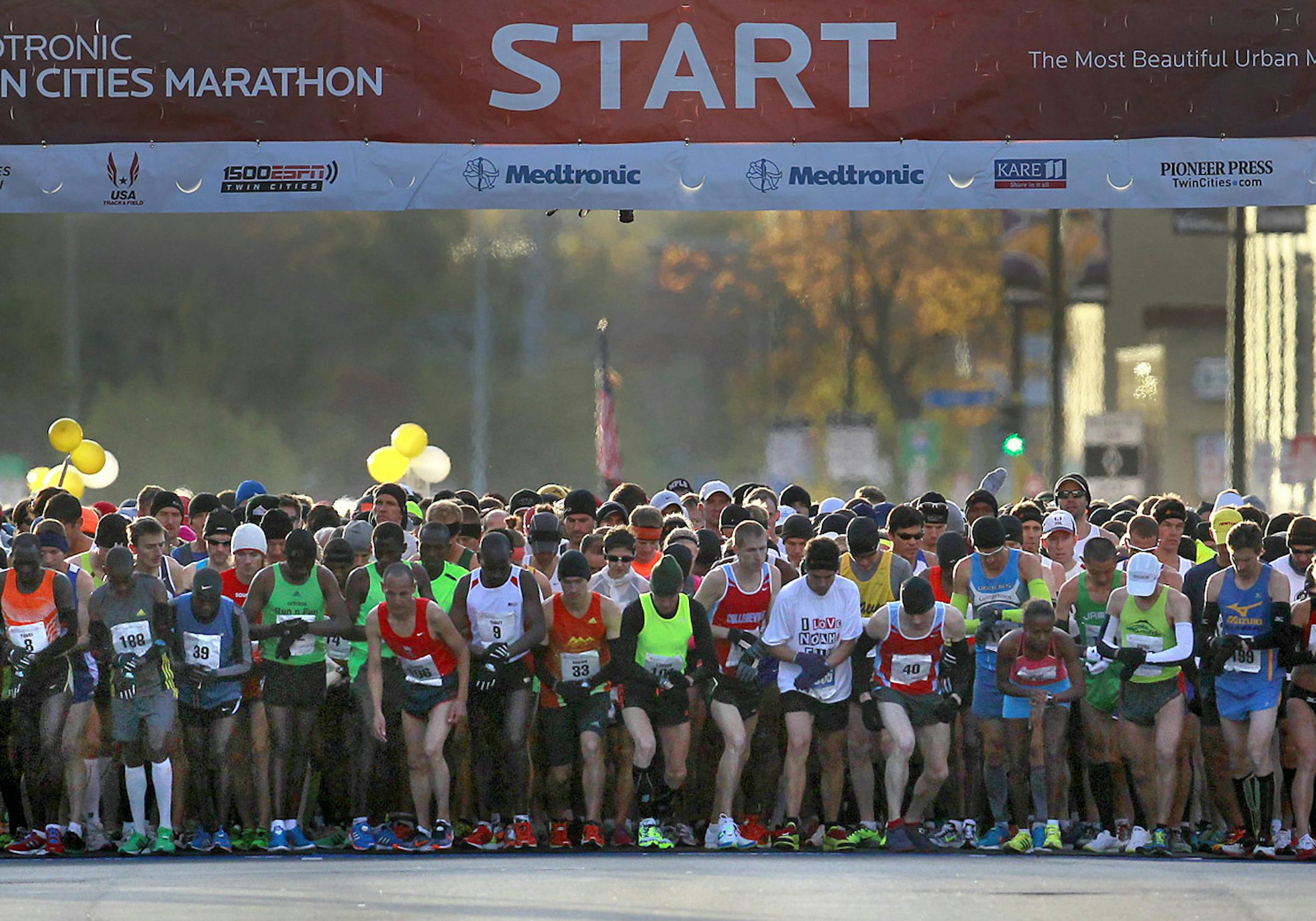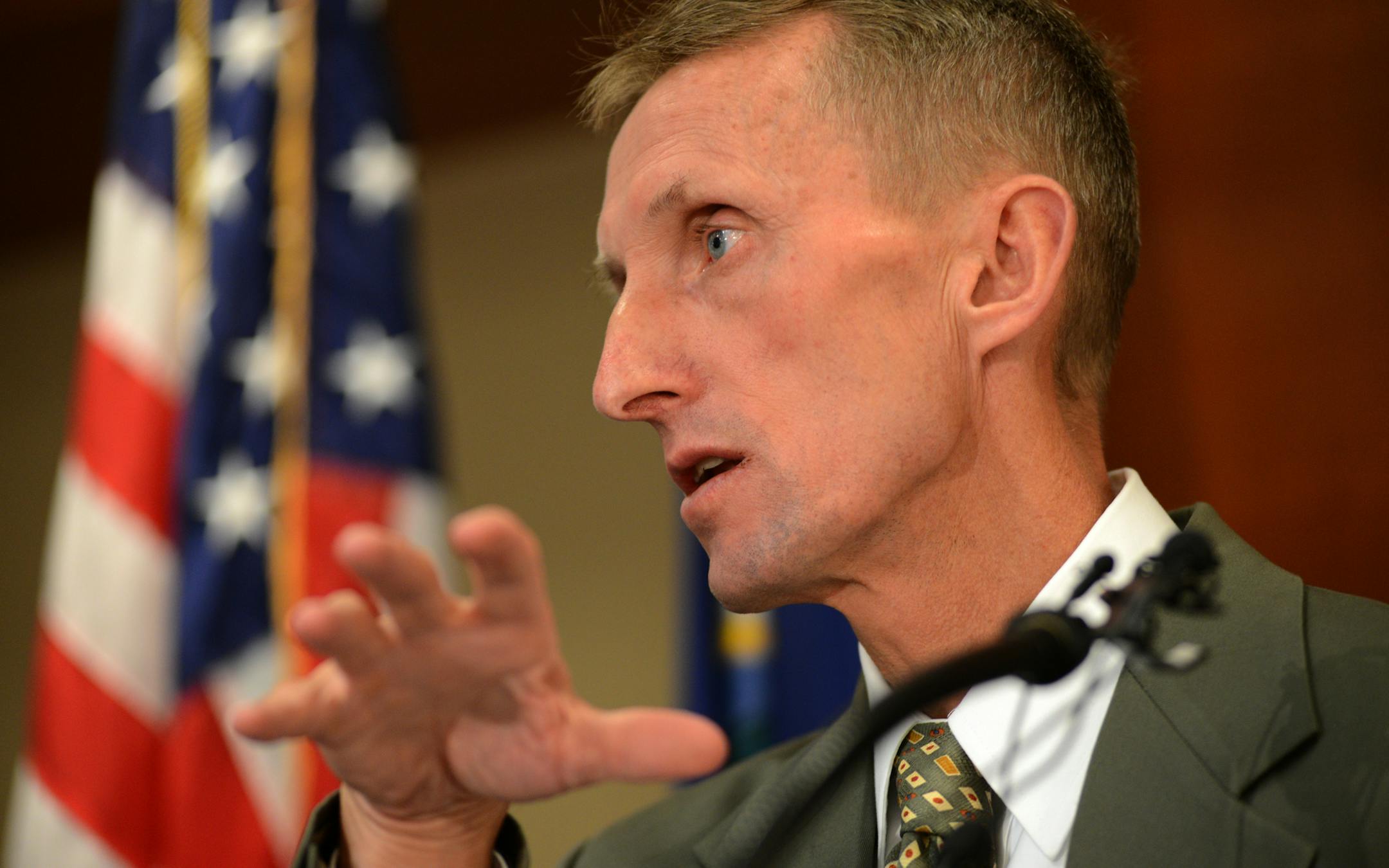
With the Twin Cities Marathon just three weeks away, Boston Police Superintendent William Evans met with local law enforcement officials Thursday to share the hard lessons learned from the April 15 Boston Marathon bombing.
Intense preparation and vigilance during the race itself are everything, he said at the event in Bloomington.
"You can't do enough training," he said, along with, "You can never let your guard down."
Organizers of the Oct. 6 run, officially called the Medtronic Twin Cities Marathon, said that they're always reviewing security, and that runners and spectators won't see many signs that it's been enhanced, because most of the measures Evans described are in place.
"We're already doing the things we should," said Virginia Brophy Achman, executive director of Twin Cities in Motion, which organizes several races through the year, including the marathon and 10-mile race the same day. More than 12,000 runners are expected to participate in this year's marathon, with even more people lining the 26.2-mile route.
One difference this year: Spectators are asked to leave backpacks and purses at home because such items can arouse suspicion and concern. If large packs are brought to the race area, police will ask those carrying them to consent to searches.
Two bombs placed in backpacks and allegedly left near the Boston finish line by two brothers exploded, killing three spectators and injuring 264 people. Police and rescue personnel responded swiftly, Evans said; the scene was cleared of the injured within 22 minutes, and no one who went to a hospital died.
Authorities' response to the event was largely praised as prompt, smooth and effective, but there were lessons, he said.