

Opinion editor's note: Editorials represent the opinions of the Star Tribune Editorial Board, which operates independently from the newsroom.
•••
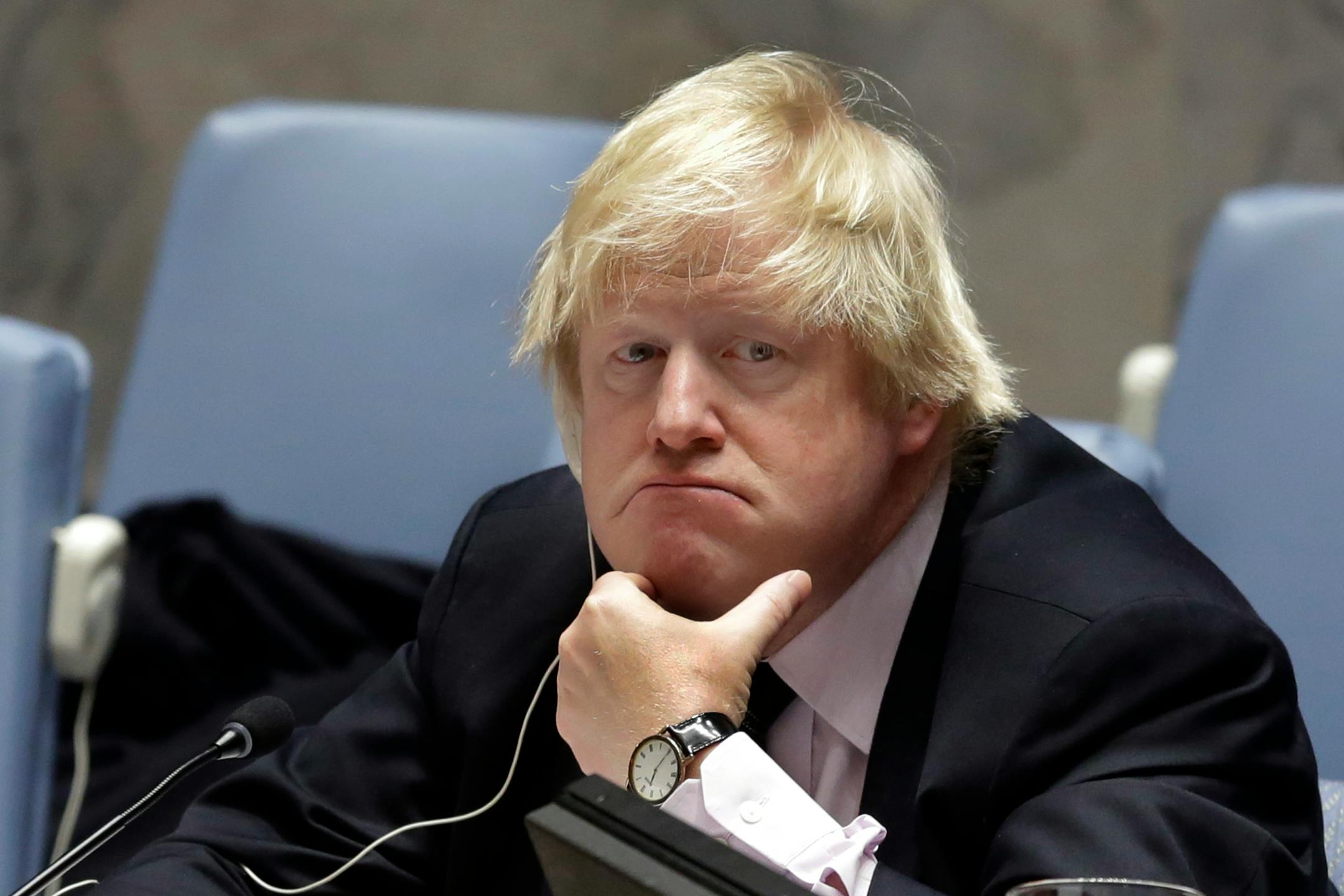
Boris Johnson survived a Conservative Party no-confidence vote. Still, the bruising he took from his fellow Tories and his falling fortunes among British voters do not inspire confidence that the United Kingdom's prime minister is out of political trouble.
The specific issue that triggered the snap intraparty plebiscite is what Brits refer to as "partygate" — Johnson's serial violations of his own government's COVID-lockdown rules to hold boozy parties at No. 10 Downing Street, the prime minister's residence.
The hypocrisy to the public and Parliament was glaring, especially as Johnson's government appeared to be behind the curve in responding to the pandemic. (Johnson himself contracted COVID and spent days in intensive care.) Brits' disappointment in their leader is reflected in falling poll numbers and in a telling anecdote during the recent royal celebration: loud booing could be heard as Johnson and his wife Carrie arrived at St. Paul's Cathedral for a thanksgiving service for the queen.
That reaction reflected his reeling support, which is diametrically different from the sweeping mandate he led the Tories to in 2019 with the promise to "get Brexit done." He did. But then, upended by the pandemic and seeming without a broader agenda, his political progress stalled and may stall more as economic headwinds and still unresolved Brexit issues with Northern Ireland loom. Although party rules dictate that a year must pass before another no-confidence vote, rules can be changed.
Or, this week's vote itself may create its own momentum. Indeed, while previous Conservative prime ministers have also weathered no-confidence votes, most haven't stayed long. That includes Margaret Thatcher and Johnson's predecessor, Theresa May, who performed better than Johnson's 211-148 no-confidence vote total. But within months, May was out, a fate that may await Johnson, particularly as ambitious party members sense his weakness.
Strength, however, characterizes Johnson's leadership on Ukraine. He's been staunchly supportive of the beleaguered nation in its existential fight against Russia, sending arms to the front and going to Kyiv to meet Ukrainian President Volodymyr Zelenskyy in a show of personal solidarity. Even though the U.K. is no longer part of the European Union, it's still a cornerstone of NATO. Johnson has been a leader on Ukraine among fellow European prime ministers, presidents and chancellors.


