

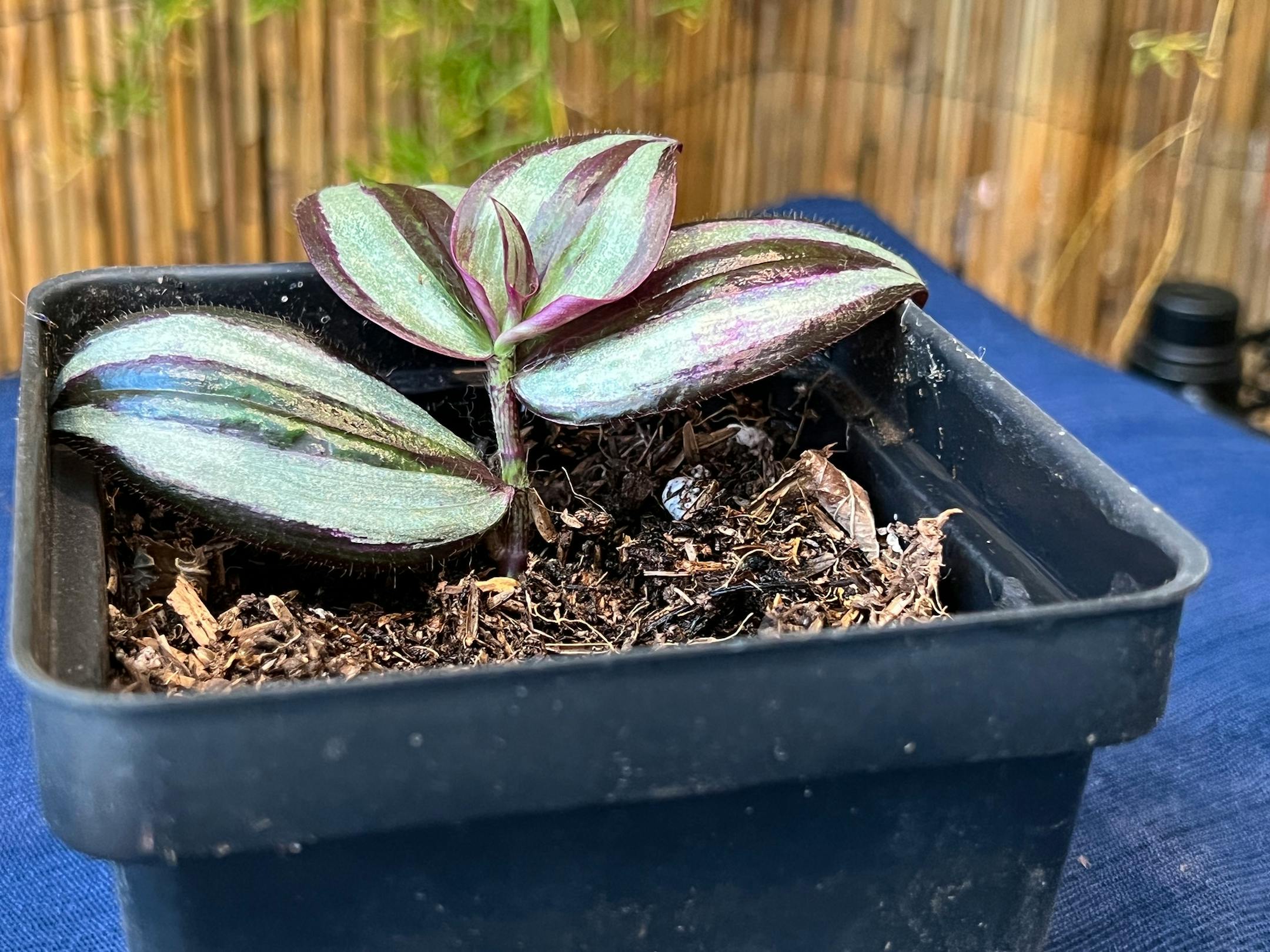
Whether your indoor garden has outgrown its location or you are looking to expand your garden, a bit of pinching, pruning or propagating may be the answer. Grooming houseplants keeps your indoor garden looking its best and plants contained to the available space. You can use some of the trimmings to start new plants.
Give plants with long, leggy stems a pinch. Removing a small or large portion of the growing tip encourages the plant to form more branches and compact growth. Pinching removes a growth hormone produced in the stem tip called auxin. This hormone encourages upward growth of the stem. Removing the stem tip reduces the auxin and allows more branches to develop along the stem.
A soft pinch removes just the uppermost portion of the stem with developing leaves and the stem tip. A hard pinch, more like pruning, removes the tip and several inches of the leafy stem. These stem pieces can be used to start new plants.
Some gardeners pinch with their fingers, but I prefer using sharp snips like Corona Tools ComfortGel micro snips with stainless steel blades that resist the buildup of plant residue- or Corona bypass pruners that make a clean cut that closes quickly and looks better.
When pinching and pruning your houseplants make the cuts just above a set of leaves. The plant remains relatively attractive while you wait for new leaves and stems to grow. Avoid leaving stubs by making cuts elsewhere as these detract from the plant's appearance and can create entryways for insects and disease.
Houseplants can be propagated in several different ways. Avoid propagating patented plants protected by patent laws. These laws are designed to protect the investment of the plant breeder. Respecting patent laws allows companies to continue breeding improvements into plants for all of us to enjoy in the future.
Use leaf stem cuttings to start a variety of houseplants like inch plants, philodendron, pothos, dieffenbachias, dracaenas, jade plants and many more. Use a sharp knife, snips or bypass pruner to cut 3- to 6-inch-long pieces from firm, mature, non-woody stems.
Remove the lowest leaf or two that will be buried in the potting mix. This is where new roots will form. If you have had trouble rooting cuttings in the past, try using rooting hormone labeled for use on houseplants. It contains fungicides to fight disease and hormones to encourage root development.


