

Driving has become such second nature to many of us that it's easy to believe permission to multi-task behind the wheel comes with a driver's license. Kids are fighting in the back seat. That radio station needs changing. You're having a difference of opinion with the spouse about how to get there. Or you only have five minutes to wolf down a drive-through burger on the way to the next meeting.
While we think we can handle it, the truth is that all of those situations steal precious attention away from the serious task at hand — driving. And with the proliferation of cellphones and other electronic devices over the last 20 years, there are even more powerful ways to distract eyes and focus from the road.
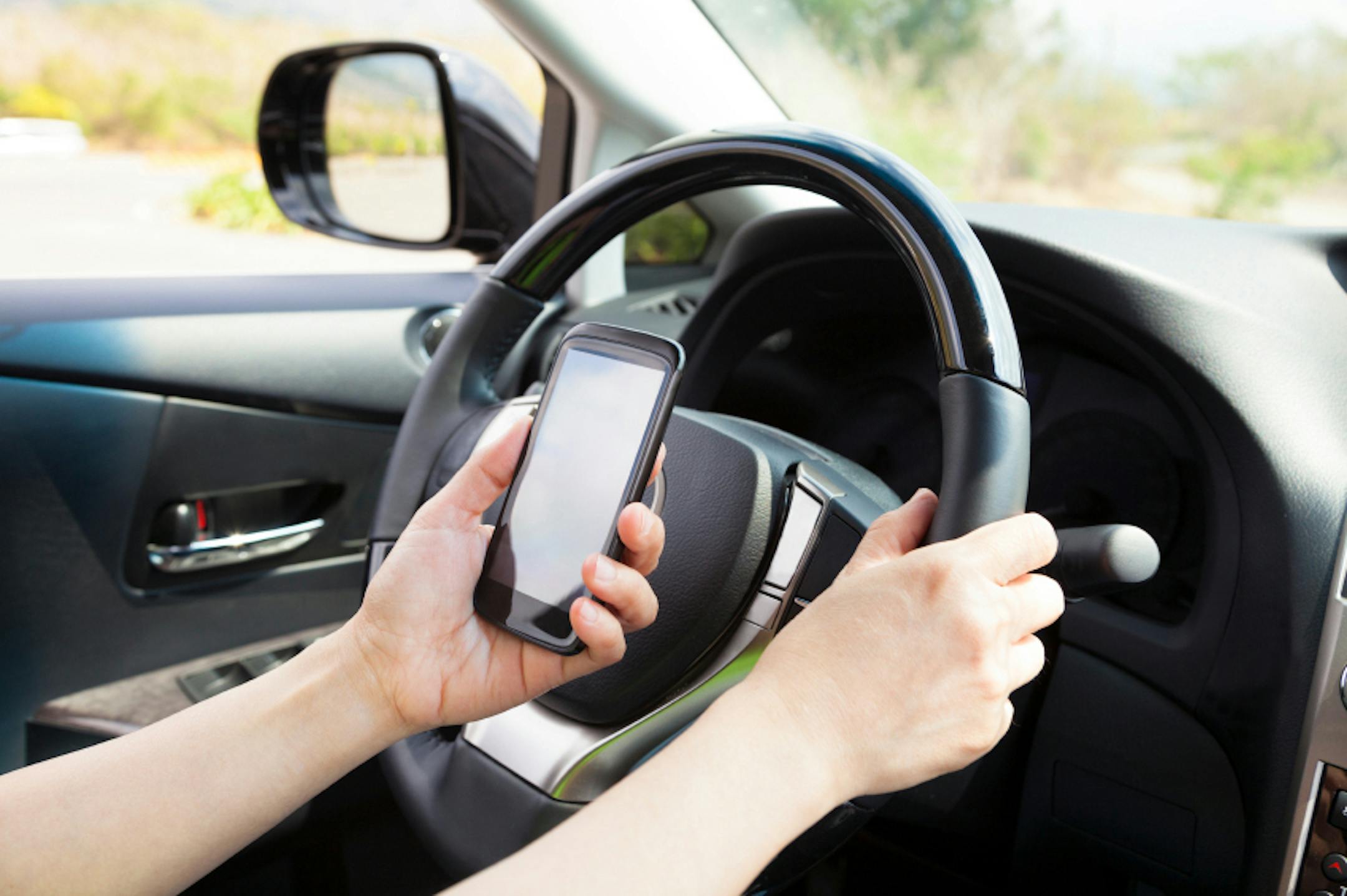
One of the most dangerous is texting. Why anyone would think it's safe to type, steer and try to keep track of what's happening on the road is perplexing. Still, motorists do it all the time. That's why the Minnesota Department of Public Safety's campaign to more aggressively enforce rules against texting and driving is so important — and why increased penalties for violations are needed.
State public safety officials note that distracted driving is nothing new; it's been around since automobiles were invented. Lt. Eric Roeske, spokesman for the Minnesota State Patrol, says that failure to "pay attention'' is the most common reason drivers give for crashes. While there is no law against distracted driving generally, there are statutes governing inattentive, reckless and careless driving that mostly carry petty misdemeanor penalties.
And yet public safety officials are wisely cracking down on the distractions — especially texting — in hopes of raising awareness in the same way that earlier campaigns made drunken driving more unacceptable.
Understanding the increasing problem, the Legislature in 2008 passed a no-texting-while-driving law. Under the statute, it's illegal for drivers to read, compose, or send texts and e-mails, as well as access the Internet on wireless devices while a vehicle is in motion or part of traffic. That includes situations when a driver is stopped in traffic or at a stop light or stop sign.
It is also illegal for 16- and 17-year-olds to use cellphones at all while driving. Young people initially were singled out because they are inexperienced drivers — and because texting was then seen as more common among teenagers.
But as texting and other mobile-device usage has grown among all age groups, officials have seen an increase in text-related crashes. In 2009, the year after Minnesota's no-texting law was passed, 388 citations were issued for texting and driving. Last year that number went up to more than 2,100 tickets.


