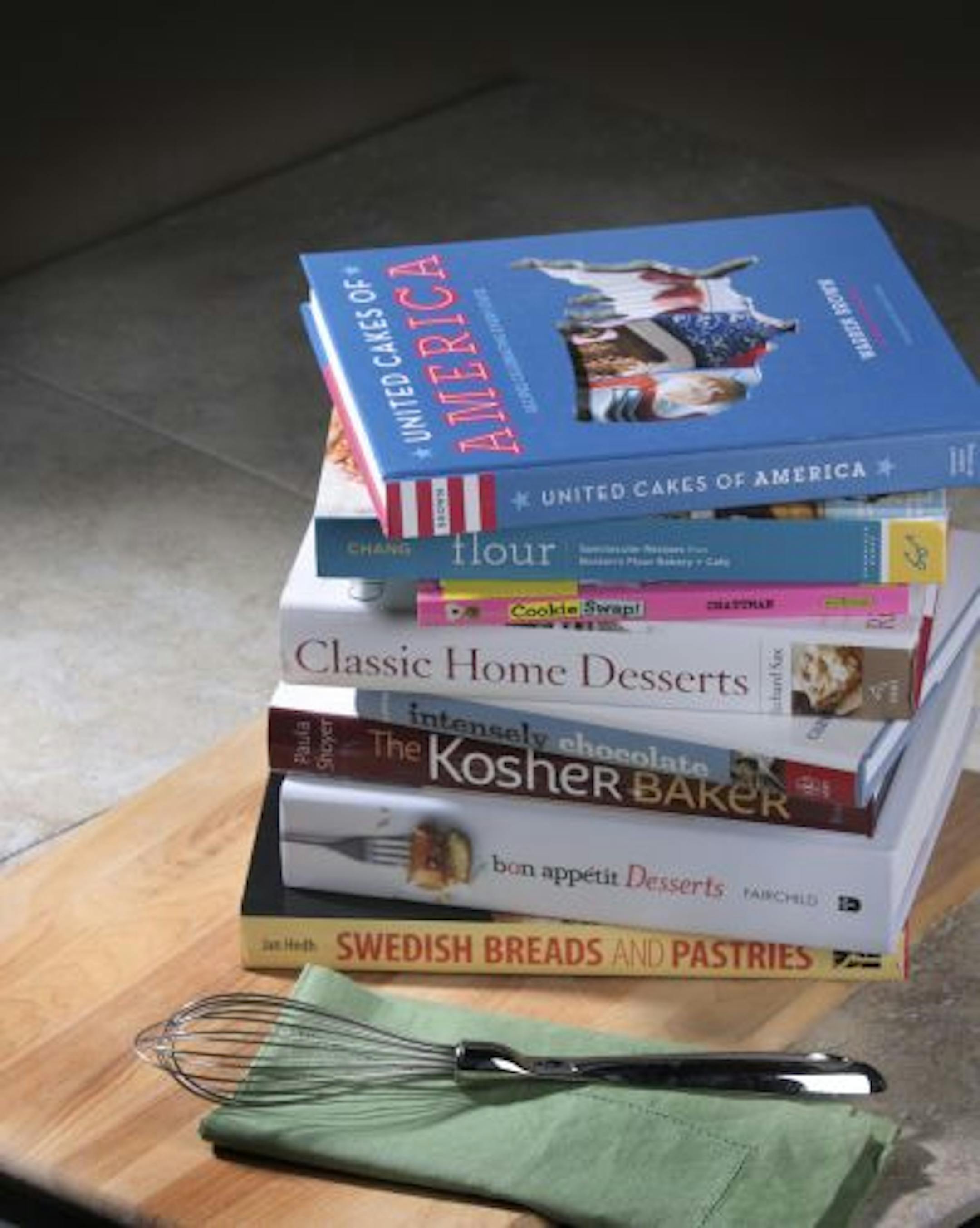
Cooks often say, "You know, I read cookbooks like novels, and there's always one on my nightstand."
Today there seem to be as many noncooks reading cookbooks as there are cooks doing so -- and there's never been a better time to open a volume, as big books with big thoughts on food, history and cultural anthropology have become the norm. Here's a look at some of my favorites.
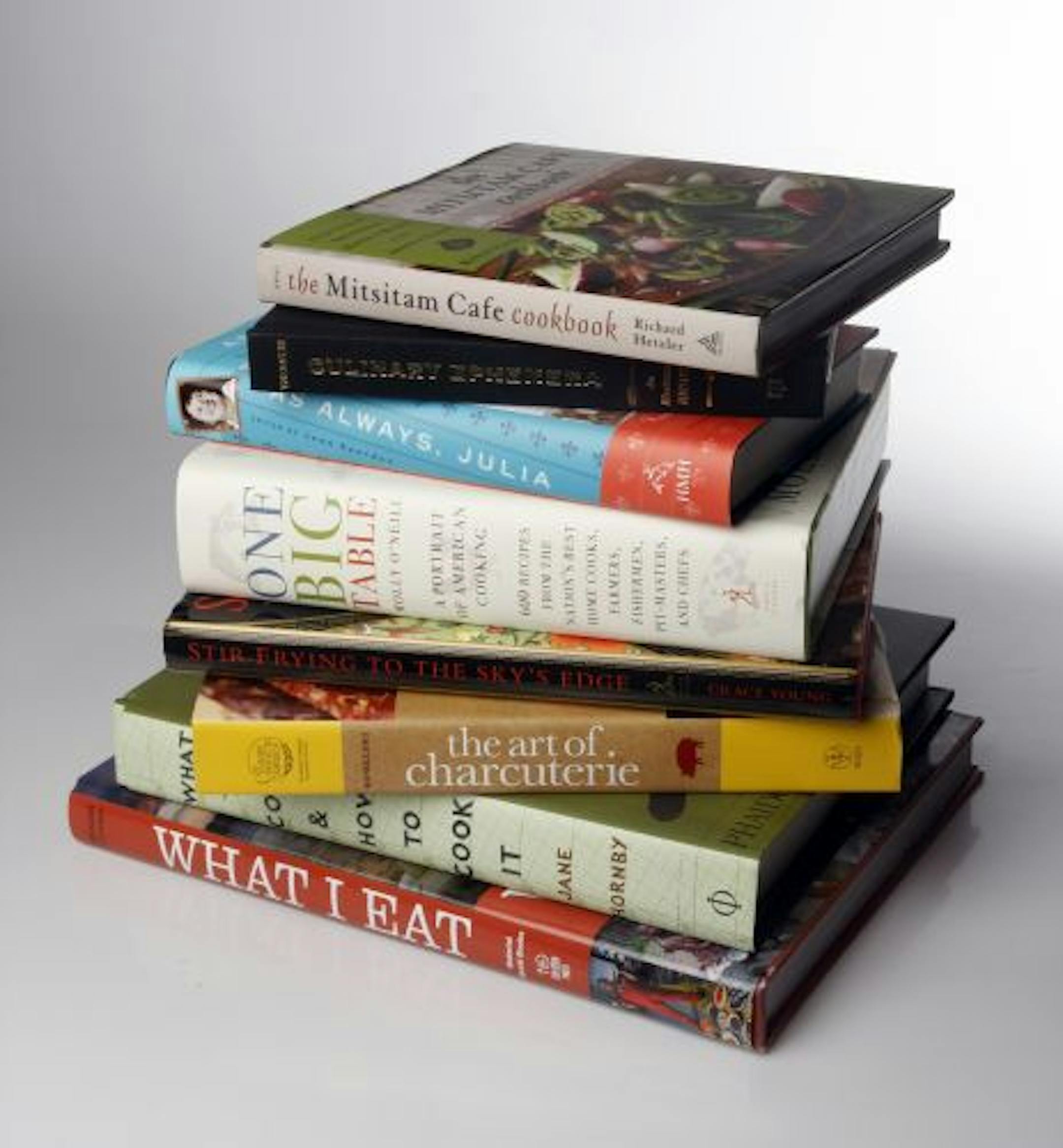
"The Essential New York Times Cookbook" by Amanda Hesser (W.W. Norton & Co., 932 pages, $40). What were we eating 150 years ago? Hesser hunted through the archives of the New York Times for the really old recipes, and asked readers for recommendations of their favorite recipes from the past 50 years. After testing more than 1,400, she has come up with a fascinating collection of trends and classics, with a timeline that adds a historical context and with a chatty look at the NYT food writers over those years.
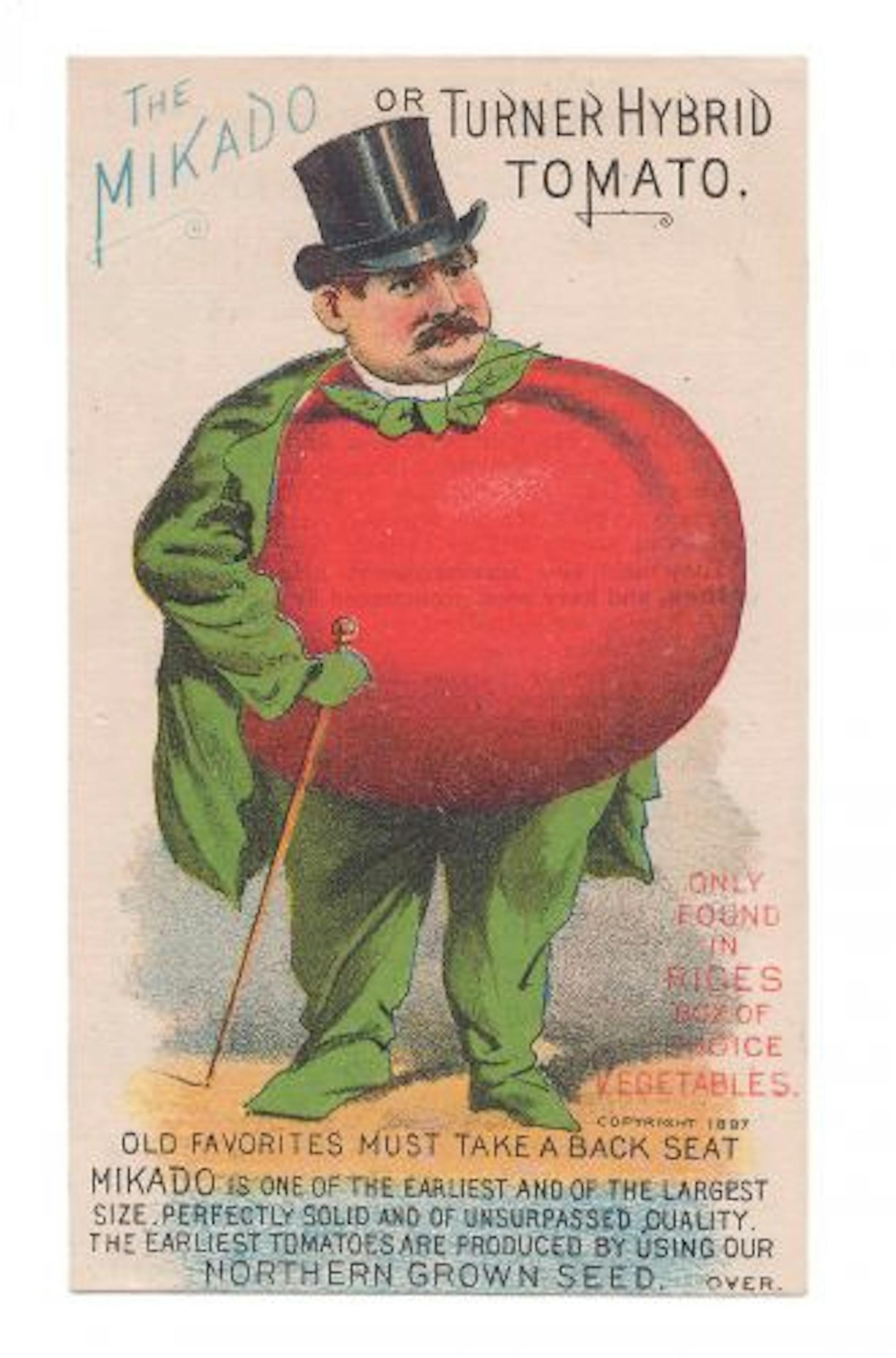
Molly O'Neill looks at American cooking in "One Big Table" (Simon & Schuster, 864 pages, $50) and offers a travelogue of state food, with 600 recipes from home cooks around the country and with plenty of stories, beginning with one from Grand Portage, Minn. While there's a broad range of recipes, the artwork is great fun to view, whether or not you're going to cook -- historical images that include photographs, posters and advertising. Minnesota is represented with Iron Range pasties, Somali sambusa, Hmong egg rolls, Swedish shortbread, Mexican chile rellenos and more.
"Stir-Frying to the Sky's Edge," by Grace Young (Simon & Schuster, 313 pages, $35). There's more to stir-frying than the casual diner sees. Young, the consummate teacher, takes us through the process and shows us how to create the layers of flavor and texture that reflect the perfectly balanced stir-fry -- how a pinch of ginger or crumble of pork can make all the difference. She also tells the story of the Chinese diaspora as Chinese laborers left their homeland in search of work and ended up in the Mississippi Delta, India, Madagascar, Jamaica and elsewhere, bringing their woks and cooking methods with them. I'm cooking my way through this volume and broadening my culinary repertoire significantly.
There's not a recipe in sight in "Culinary Ephemera, an Illustrated History," by William Woys Weaver (University of California Press, 300 pages, $39.95.), but we don't miss them. Weaver calls this book a "literary amuse-bouche." Yes, indeed. The artwork from old food advertisements and cookbooks is a wonder to behold, filled with colorful examples of culinary imagination. The text is as fascinating as the pictures.
"As Always, Julia: The Letters of Julia Child and Avis DeVoto," edited by Joan Reardon (Houghton Mifflin Harcourt, 416 pages, $26). Before Julia Child was a celebrity, she was a hardworking writer trying to find a publisher, as we find out in these charming, insightful letters between Child and Avis DeVoto, the wife of writer and professor Bernard DeVoto. The two women start out as casual pen pals when Avis responds to a fan letter that Julia had written to Bernard. One letter leads to another and Avis, who had connections in the publishing world, advises and encourages Julia on how to get her book into print. As intriguing as the publishing story is, the evolving friendship between Julia and Avis is what captures my attention. You can hear Julia's distinct voice throughout, as you'd expect, since they are her letters, but the words are so casual and personal that we feel like we are friends of Julia, too.
Bet you can't read only one page of this fascinating collection of profiles of people from around the world and what they ate for a day in "What I Eat: Around the World in 80 Diets," by Peter Menzel and Faith D'Alusio (Ten Speed Press, 336 pages, $40). This husband-wife duo has produced several thought-provoking books, including "The Hungry Planet: What the World Eats." This time they address the remarkable diversity of dining worldwide and person by person. The book is filled with facts, photos and stories, from the Kenyan tea farmer who eats about 3,100 calories in a day, to the Maasai herder who eats about 800 calories a day, a Vietnamese rice farmer at 2,500 calories and a Tibetan head monk who eats 4,900 calories a day. Fascinating.