
Bookmark: Summer reading for the end of summer

July 30, 2021 at 1:20PM
573510810
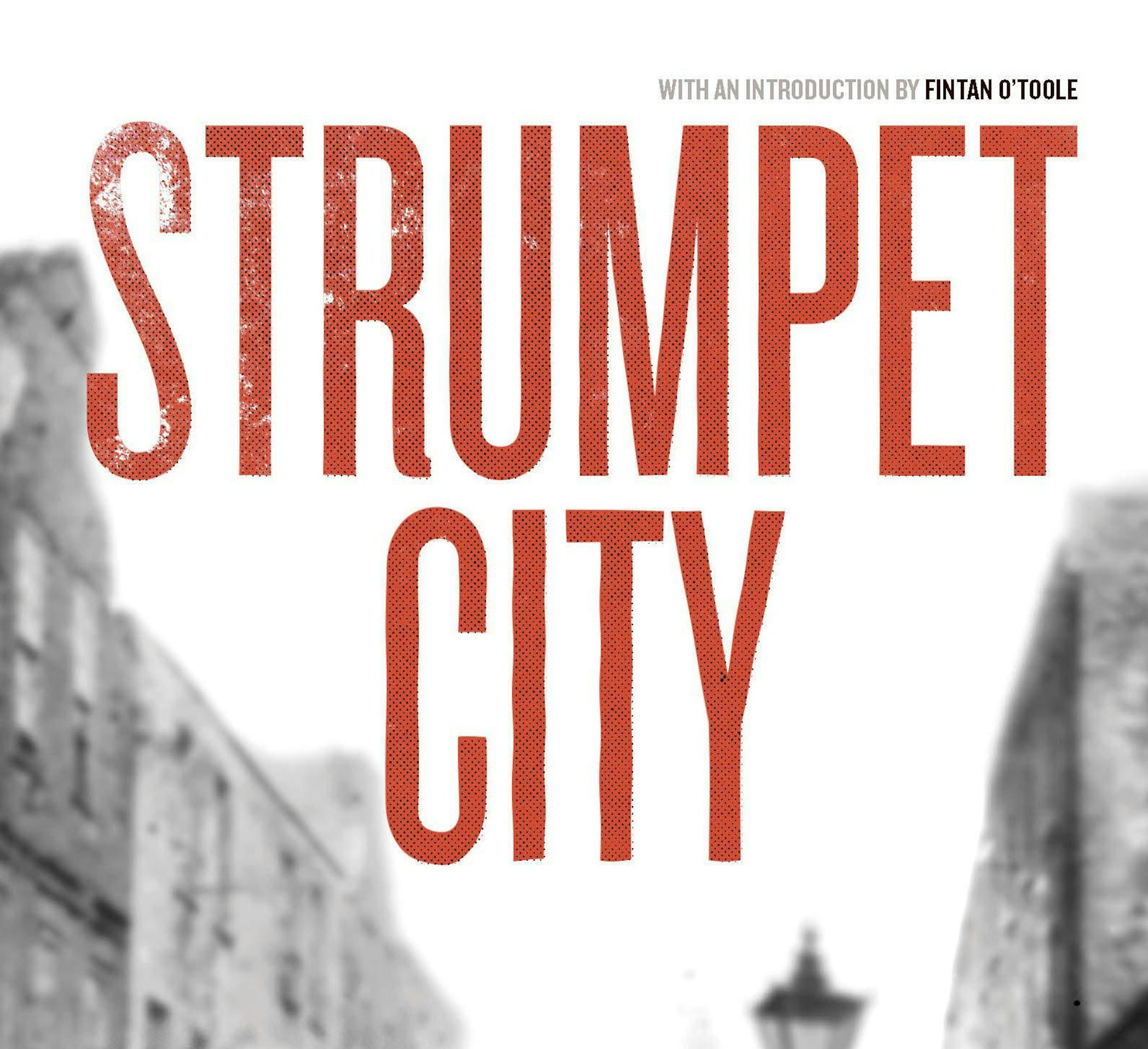
Hilary Mantel turned to James Plunkett’s “Strumpet City” this summer. (The Minnesota Star Tribune)

I am not entirely sure how it got to be August so quickly. It can't just be me who feels like New Year's was only a few weeks ago and we have yet to celebrate Easter.

I know that by the end of this month the grass and leaves will begin to turn yellow(er). The evening light will start to fade. The State Fair will stuff us full of sticky cotton candy and those delicious, disgusting cheese curds.

One morning, suddenly, the breeze will feel chilly on our faces and the neighborhoods will flood with those bright orange school buses.

But for now, it's still summer — slow, languid, hot. And there are so many books to read.

I have seen, over the years, a lot of discussion about what constitutes a summer book, and the answers vary from "books that require little brain power" (so you can doze off in the hot sun while reading) to "books that deserve long stretches of uninterrupted time" (so you can read them during lengthy empty afternoons or on long flights).

Some people insist that there's no difference between summer books and books read at any other time of year, and I'd say there's truth to that, as well.

The concept of "summer books" is something every reader defines in their own way.

A few weeks ago, the Guardian ran summer reading recommendations from a host of wonderful, notable writers, ranging from Hilary Mantel and Raven Leilani to Carmen Maria Machado and Namwali Serpell.

They didn't choose just new books, necessarily, but books that were, as writer Natasha Farrant put it, "ideal for getting lost in." Old, new, ancient, obscure, it didn't matter.

Lucy Ellmann recommends not just one title, but every book written by Jane Austen. "You could get lost for weeks," she says.

Hilary Mantel is reading "Strumpet City," an Irish historical novel about Big Jim Larkin and the emergence of the labor movement, written by James Plunkett. She likes it, Mantel says, partly because its "necessary horrors are lit by sardonic humour, and it is simply and gracefully written."

It is not a surprise that Douglas Stuart, winner of the Booker Prize for his heartbreaking novel "Shuggie Bain," said this: "I like to feel a little heartache in the summer." (One thinks he might like feeling a little heartache all year round.)

He chose Mary Renault's "The Persian Boy," part of the Alexander trilogy. "It has the sweep of all of Renault's epics," he says, "but it is the intimacy, the longing, that I find truly moving."

Me, I've had the great delight of immersing myself in some of the books that are coming out in the fall, which probably don't qualify as summer books.

But during my week of vacation in July, it was summer books all the way: I read mysteries like I've never done before (and I'll have more to say about them later), as well as books that transported me — nature essays and memoirs, and, as always, I set aside one afternoon to reread a beloved book from childhood. (A different one each summer — this year it was the wonderfully convoluted "Friday's Tunnel" by John Verney.)

Childhood books usually don't stand the test of time, I've found, but reading them in summer transports me in a different way than the nature memoirs; they transport me back to my youth. Summer feels like a good time for this.

So now it is your turn, Readers.

Is there, in your mind, such a thing as summer reading? What is it? And what has been immersing and transporting and entertaining you this lovely summer?

Write me at books@startribune.com, include your name and city, and I'll use your thoughts in a future column.

Laurie Hertzel is the Star Tribune's senior editor for books.

about the writer

about the writer

Laurie Hertzel

Senior Editor

Freelance writer and former Star Tribune books editor Laurie Hertzel is at lauriehertzel@gmail.com.

See Moreicon