

I love it when I'm deep in a book and suddenly realize that it was inspired by one of the classics. Leif Enger's "Virgil Wander," for instance, is packed with subtle homages to a multitude of great books (inspired, he said in an interview, by the Classics Illustrated comic books he read as a child).
And Charles Baxter's "The Feast of Love" features an insomniac character who encounters all sorts of fascinating people on his nocturnal wanderings — "A Midsummer Night's Dream" moved to contemporary Michigan.
Why do writers do this? Sometimes the author sees a fresh way to tell an old story. Sometimes they want to explore how a period piece can be recast for modern times.
Sometimes they want to turn a book inside out and present a different perspective — such as Jean Rhys' "Wide Sargasso Sea," which tells the story of Mr. Rochester's first wife, the one who was hidden away in the attic in "Jane Eyre."
And sometimes it's just fun to see if characters and themes hold up when transported 100 years into the future.
But updating a beloved book is risky, especially when you're updating a book that people read in their youth. We have a lot of emotions tied up in those books, and we want writers to tread carefully.
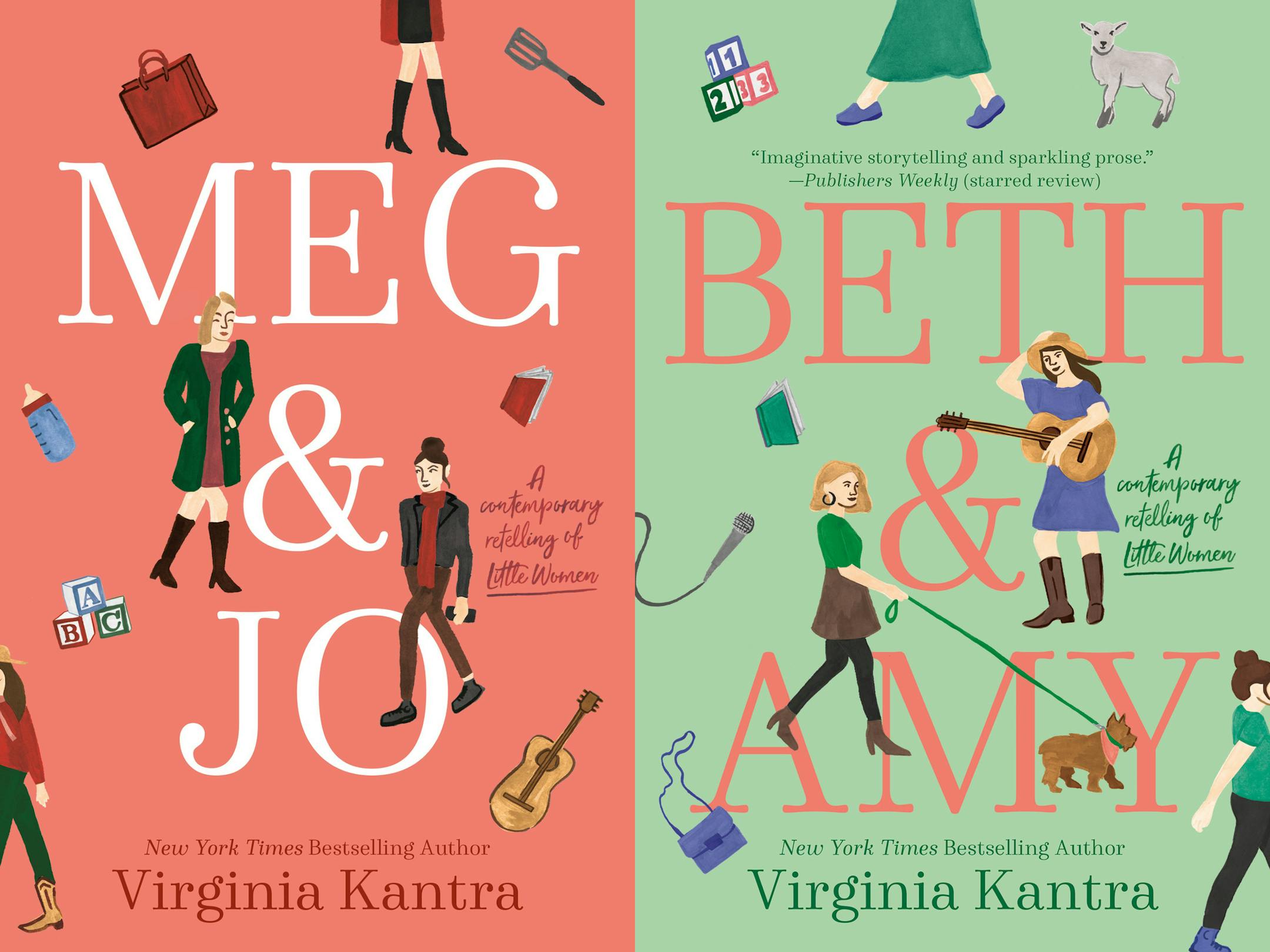
Two beloved books from my childhood — "Little Women," by Louisa May Alcott, and "Anne of Green Gables," by L.M. Montgomery — have recently received updates with mixed results.
The "Anne books" were among my favorites when I was 13, a series that took the redheaded orphan from childhood to motherhood.


