

It's December now and, at our house, the Christmas books have moved from a shelf in the upstairs study to a coffee table in the living room, to side tables and entry tables, to the mantel over the fireplace, to a spot on the kitchen counter. We seem to have a lot of them. Many, I think, were gifts.
Christmas books are, almost without exception, beautiful, with soft-focus landscapes, winter twilight and snow, candlelight, mist in the air.
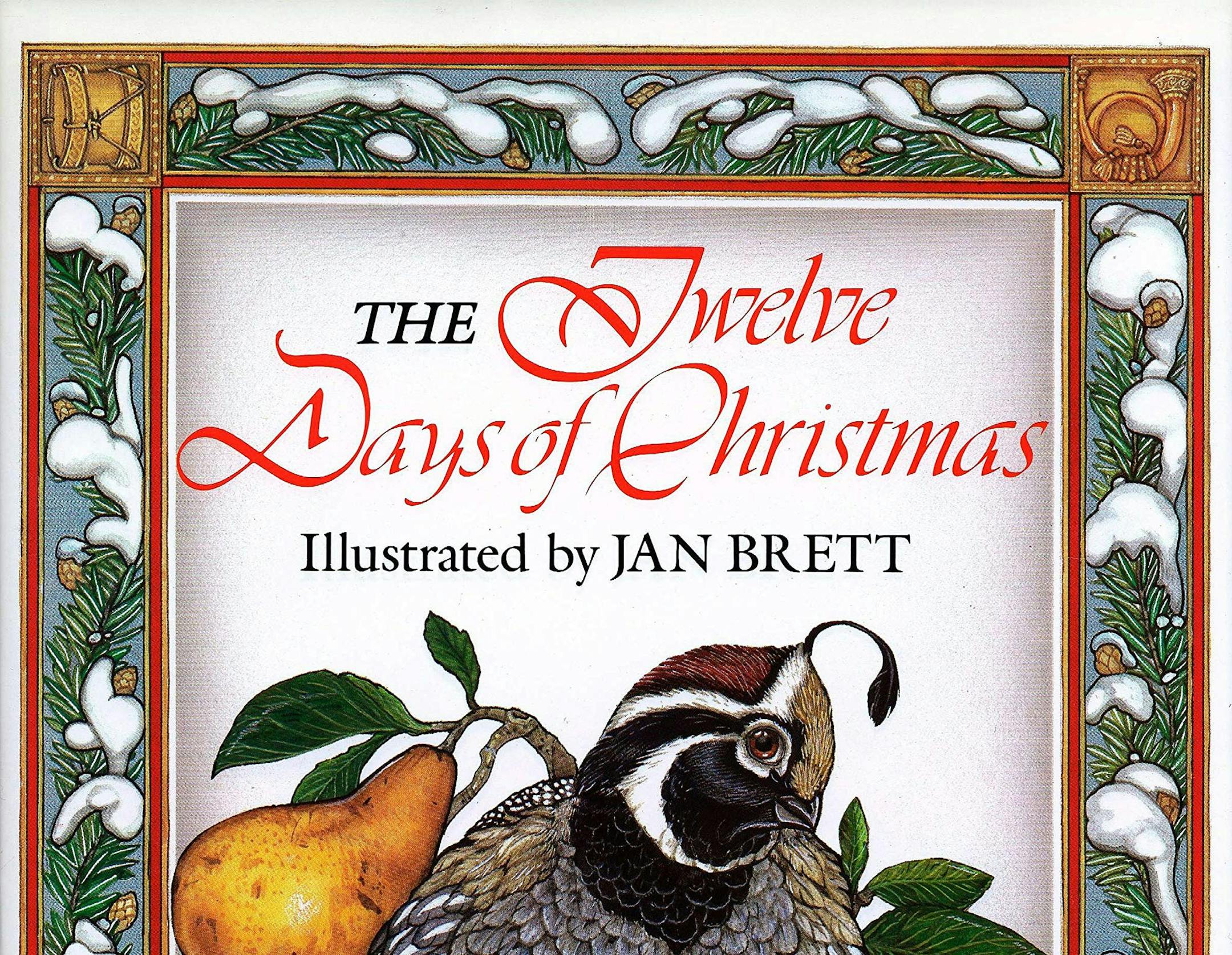
We have one small book, not quite 5 by 6, which is the "Twelve Days of Christmas" song, illustrated by Jan Brett. A gift from my wife's sister to our children a long time ago, the book includes the music as well as three French hens in bright dresses, nine drummers astride horses with red-wrapped drums. The cover is a partridge in a pear tree.
We have "The Night Before Christmas," a red hardback edition that's less than 2 inches on each side, with the full text, an ornament for the tree. We have another version that's a lift-the-flap book with pictures by Penny Ives, and yet another edition with illustrations by Miki Yamamoto.
People reach for these books when they see them. They reach because of the colors and the images, and they reach for something else, too.
Christmas books are memory books. Most of them are narrated by an adult, remembering some earlier time. In these books, there is often risk — risk, loss and survival.
Sometimes the risk is physical. "Saint Santa Claus" by Ruth Rounds, published in 1951, tells the story of an airplane crash in the Alps and how Brother Klaus, who may not really be there, helps two children to safety.
J.R.R. Tolkien's "The Father Christmas Letters" recounts the yearly adventures of Father Christmas and the North Polar Bear, his chief assistant — how Polar Bear turned on two years of Northern Lights all at once, and how goblins keep threatening to attack. The book was written in the years leading up to World War II, and the adult ear hears war in the background.


