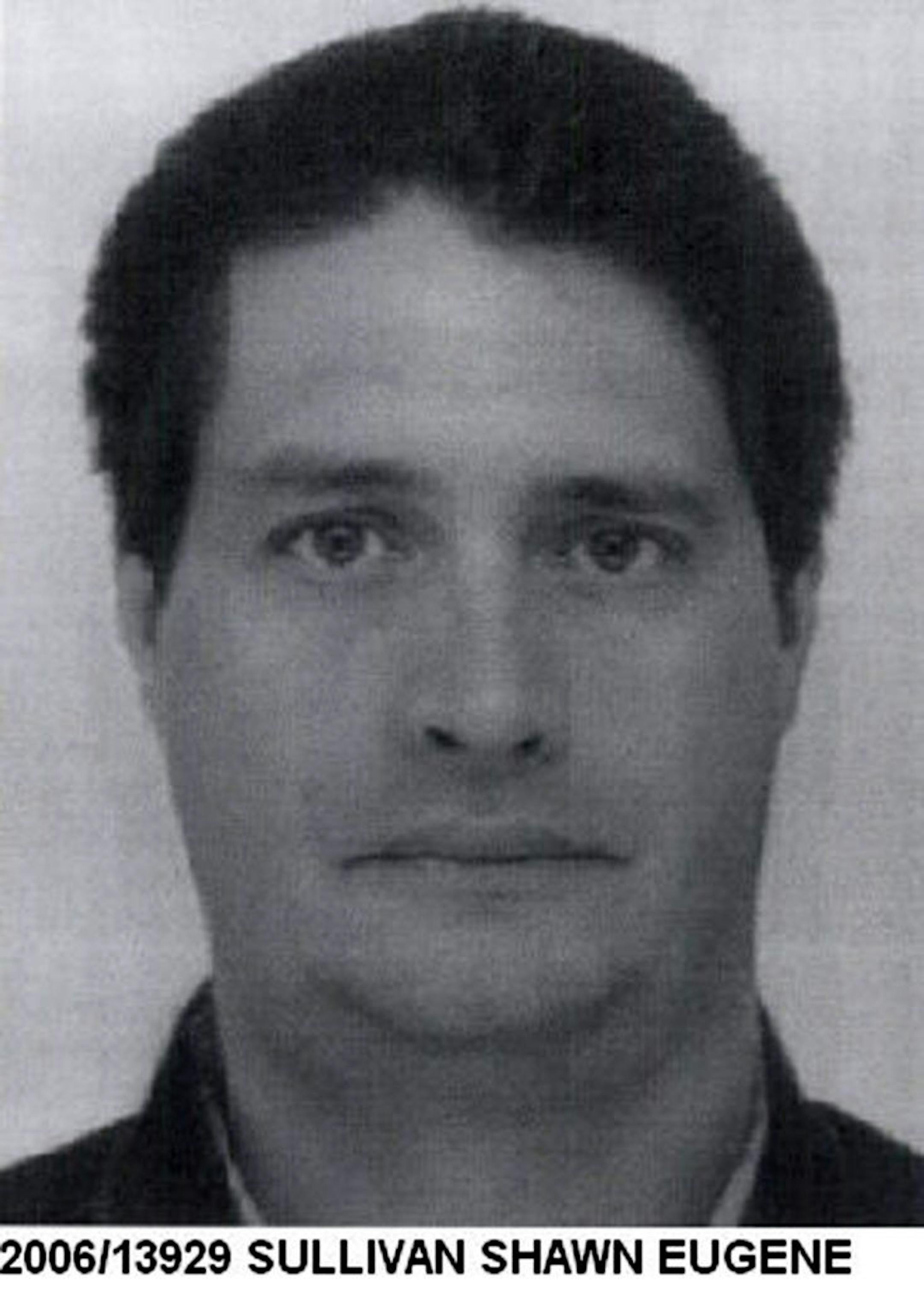
LONDON - Minnesota's tough stance on civilly committing sex offenders was on trial in one of Britain's highest courtrooms Tuesday at a hearing to decide whether Shawn Sullivan, accused of pedophilia, should be extradited back to the United States.
Sullivan, charged with raping a 14-year-old girl in Bloomington in 1994 and sexually molesting two cousins in Eagan in 1993, argued he could be locked up for life with no likelihood of release if British courts force him to return to the United States.
"Minnesota commits greater numbers of sex offenders per capita of state population than any other state in the union," said Ben Brandon, Sullivan's defense attorney, during a daylong hearing at London's High Court of Justice.
He also noted the Minnesota Sex Offender Program, created in 1994 to hold and treat dangerous offenders who had completed their prison sentences, has become a virtual life sentence for offenders. Last month, the first patient in more than a decade was discharged from the program.
One of two judges deciding the case, Lord Justice Alan Moses, questioned Minnesota's sex offender program. "It's horrific," he said. "Here we have on paper a system for people who need treatment but none of it ever works. It sounds more to me like people saying 'Let's not let them out.'"
Brandon argued that even if Sullivan, 43, were acquitted of charges in Minnesota, there was still a chance he would be detained under the sex offender program if declared "sexually dangerous." Describing the system as punitive, he said it was meant to offer treatment and rehabilitation but in reality was about "locking people up" from society.
"Mr. Sullivan says he will return to face a trial in Minnesota but is concerned about the prospect that, acquitted or convicted, he will be incarcerated for the rest of his natural life, which is obviously a clear and flagrant breach of his human rights" under the European Convention on Human Rights, Brandon said.
The court is being asked to block a decision in February last year by United Kingdom Home Secretary Theresa May to order his extradition to the United States. Sullivan's legal team was also seeking to overturn a lower court decision in December 2010 that there was no legal reason why extradition should not go ahead.