
Bloomington's Penn American development progress exceeds expectations

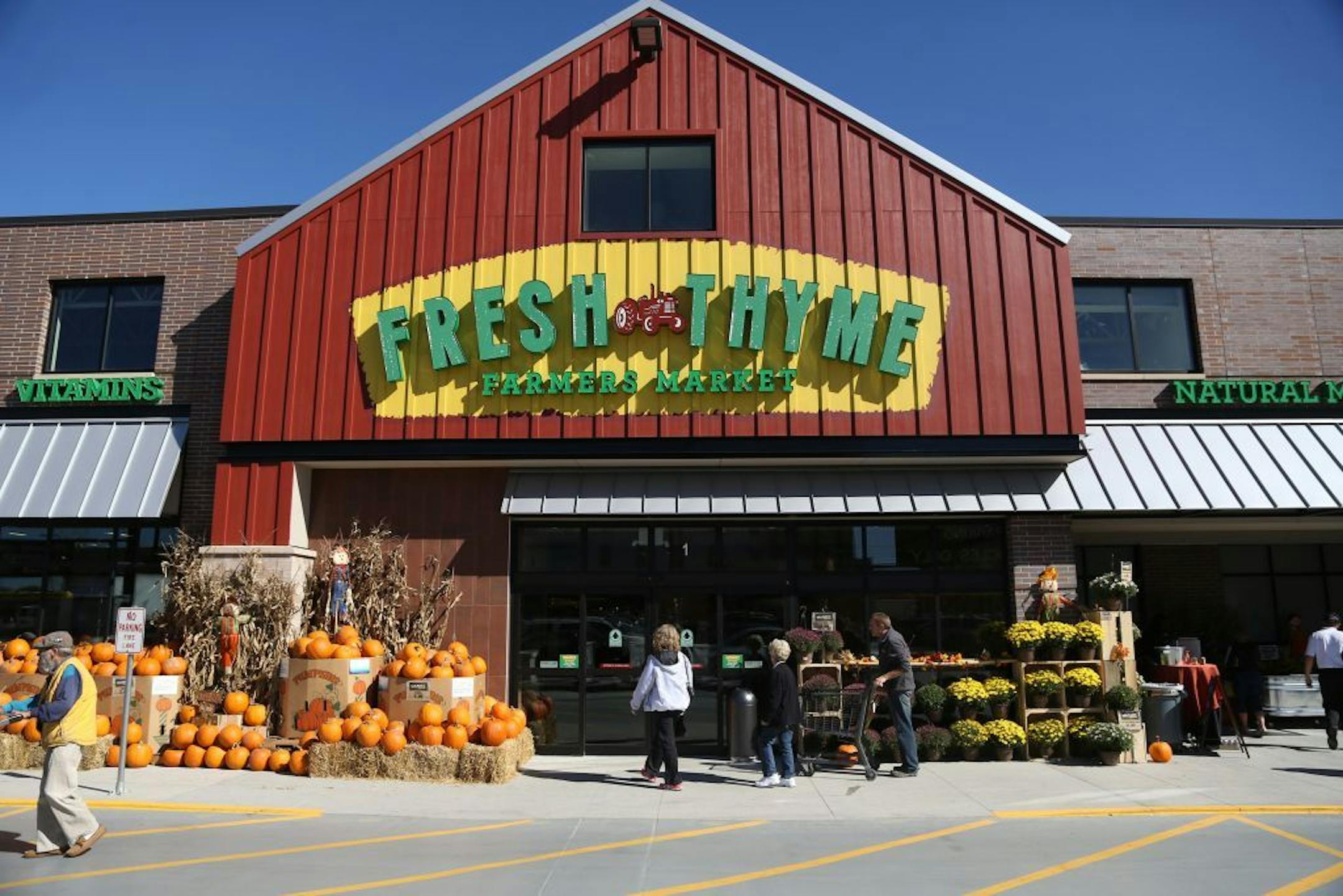
With the new Red Robin restaurant opening this week, along with the opening of the Fresh Thyme Market in September, the second phase is nearly complete.

November 27, 2015 at 3:24AM
Customers walked into Fresh Thyme during its grand opening .
Customers walked into the new Bloomington Fresh Thyme during its grand opening. (Star Tribune/The Minnesota Star Tribune)

Development of the Penn American residential and commercial district in Bloomington is beginning to take shape, and the city likes the shape it's taking.

With the new Red Robin restaurant opening this week, along with the opening of the Fresh Thyme Market in September, Penn American's second phase is nearly complete.

Still to come is a Home2 Suites hotel, set to open early next year. The entire area is served by a new underground parking garage.

Reflecting the maturation of the district, the city has reset the area's assessed value and projected tax revenue. The new value is set at $69 million, up 73 percent from the original 2011 estimate of $40 million.

Projected incremental tax revenue from the district is $7.5 million, nearly double the $4 million that was projected when the district was created.

"When we set the budget [in 2011], we set it during the recession," said Doug Grout, administrator of the Bloomington Housing and Redevelopment Authority (HRA). "You generally want to set it conservatively; you have to be realistic in your projections of what the district might ­produce.

"We thought this would be a good chance to capture the expense of the HRA."

The HRA works with willing sellers to buy distressed properties and either hold them or sell them to developers. The additional tax revenue from new development, called the increment, is returned to the authority to be spent on future projects.

Glen Markegard, Bloomington's planning manager, said the new grocery has sparked interest from residential developers, who see it as an important anchor for the neighborhood.

"I'm optimistic we'll see additional residential development in the district soon," Markegard said.

In a mature suburb like Bloomington, it's important for the city to be smart about working with developers who can help maximize the value of the city's land, Grout said.

"It's a lot more difficult than developing open land," he said. "The land is going to cost more than a bean field in the exurbs. And that's where you get creative.

"The great thing about Bloomington is, it's still growing. … Sometimes things happen on their own, and ­sometimes they require assistance."

Over the coming months, the HRA staff will be working with the City Council, the Planning Commission and the public to set priorities for its next commercial redevelopment project. More than a dozen neighborhood commercial areas in the city are potential targets, Grout said.

John Reinan • 612-673-7402

about the writer

about the writer

John Reinan

Reporter

John Reinan is a news reporter covering Greater Minnesota and the Upper Midwest. For the Star Tribune, he's also covered the western Twin Cities suburbs, as well as marketing, advertising and consumer news. He's been a reporter for more than 20 years and also did a stint at a marketing agency.

See Moreicon

More from No Section

See More
FILE -- A rent deposit slot at an apartment complex in Tucker, Ga., on July 21, 2020. As an eviction crisis has seemed increasingly likely this summer, everyone in the housing market has made the same plea to Washington: Send money — lots of it — that would keep renters in their homes and landlords afloat. (Melissa Golden/The New York Times) ORG XMIT: XNYT58
Melissa Golden/The New York Times

It’s too soon to tell how much the immigration crackdown is to blame.