Can the black family catch a break in the movies?
That's what many African-Americans in the Twin Cities and elsewhere are asking in the wake of two recent films: the critically acclaimed "Precious" and "The Blind Side," a No. 1 box-office hit that has grossed nearly $130 million since its Nov. 20 release.
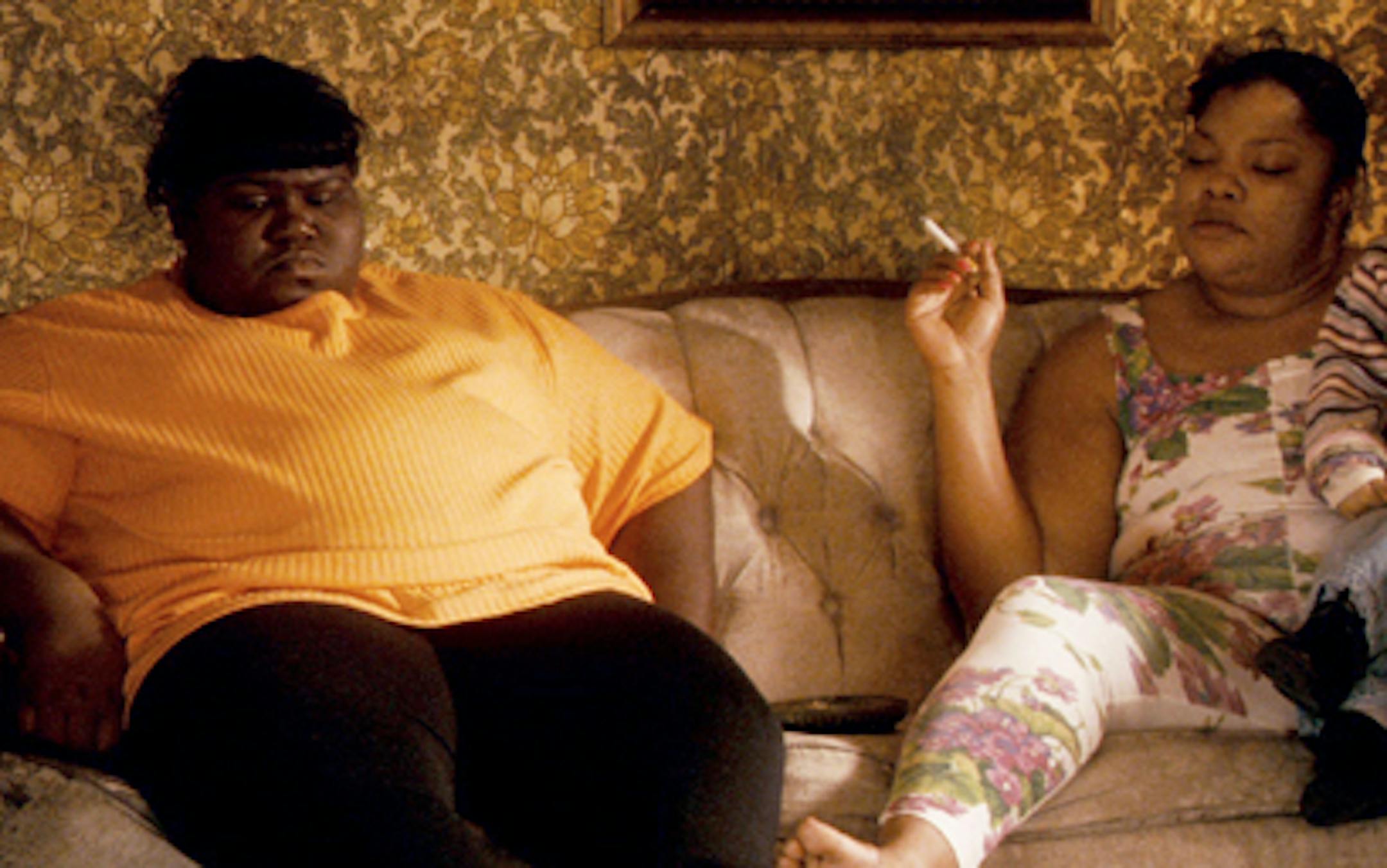
• In "Precious," based on Sapphire's wrenching novel "Push," an obese, illiterate black teenager is pregnant again by her father while her also-abusive welfare-recipient mother scorns her for stealing her man.
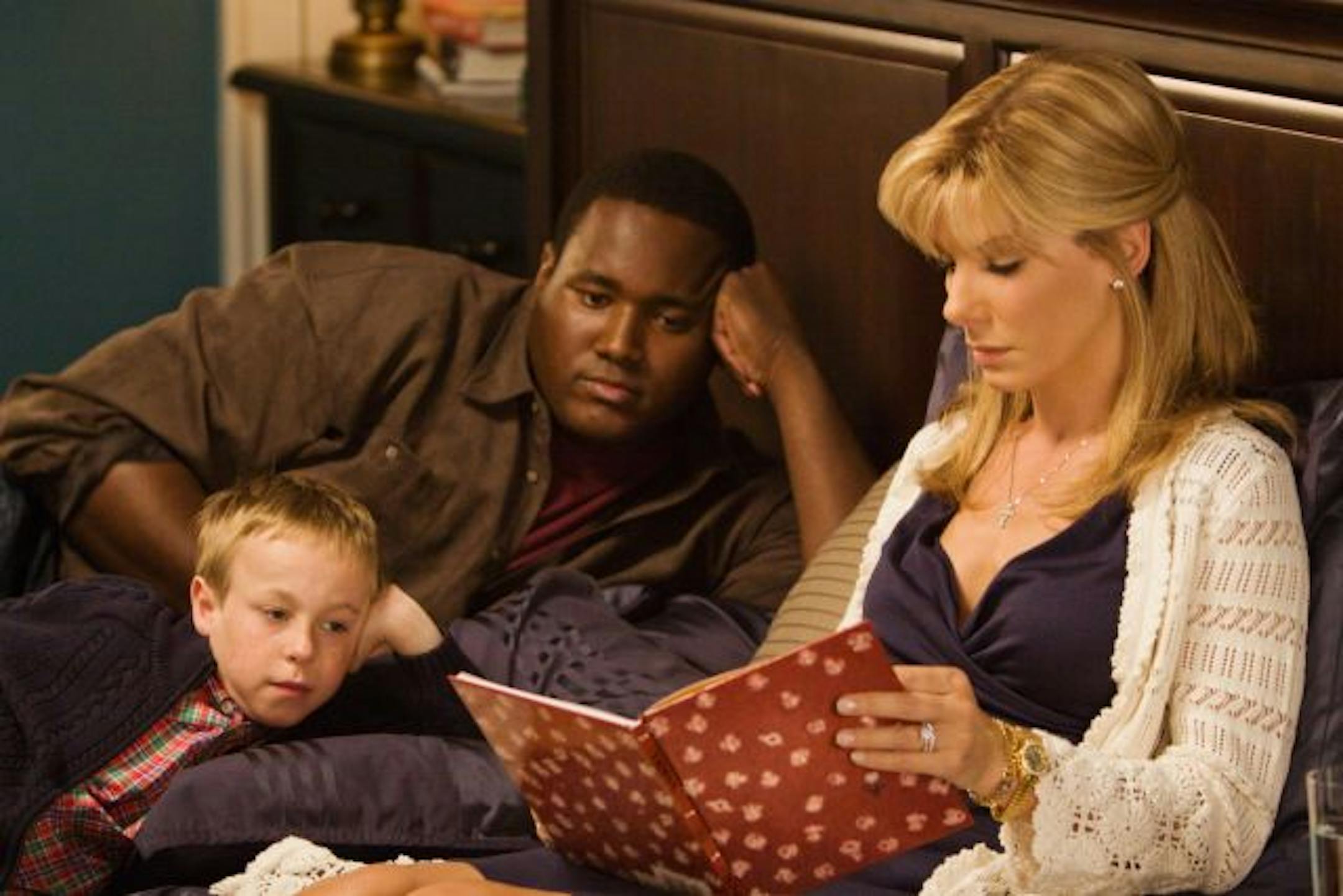
• In "The Blind Side," which stars Sandra Bullock, an illiterate, homeless black teen is taken in by a kind white family. Under their care, he blossoms into a football star.
"I'm not saying that these things don't happen and that they are not good movies," said Brenda Anderson, 59, a law firm manager in Minneapolis. "It's just that at a time when the Obamas are in the White House, it seems like there's nothing [on screen] to reflect our proud reality. Instead, we have stories that show the black family as a total failure."
Reaction to "Precious," which was released Nov. 20 and has taken in $36 million at the box office, was stronger than to "Blind Side." That's probably because of the extremely bleak story in "Precious," in which the title character's life plays out like a dysfunctional and often stereotypical freak show. There she is, a dark child being raped by her shadowy father. There she is, not so much running as waddling out of an eatery, a stolen bucket of fried chicken in one hand. There she is, being taunted in her slum environs.
Harold Minor, 52, a financial manager who has worked extensively with mental-health professionals in the Twin Cities via Wilder Children and Family Services in St. Paul as well as NorthPoint Health and Wellness Center in Minneapolis, said that, stereotypes aside, "Precious" is true-to-life.
"I think this is a great film that is doing a public service by exposing the mental-health dysfunction that's more common than what the general public knows," Minor said. "Precious' family has chronic unemployment, mental and physical abuse that's multigenerational.