

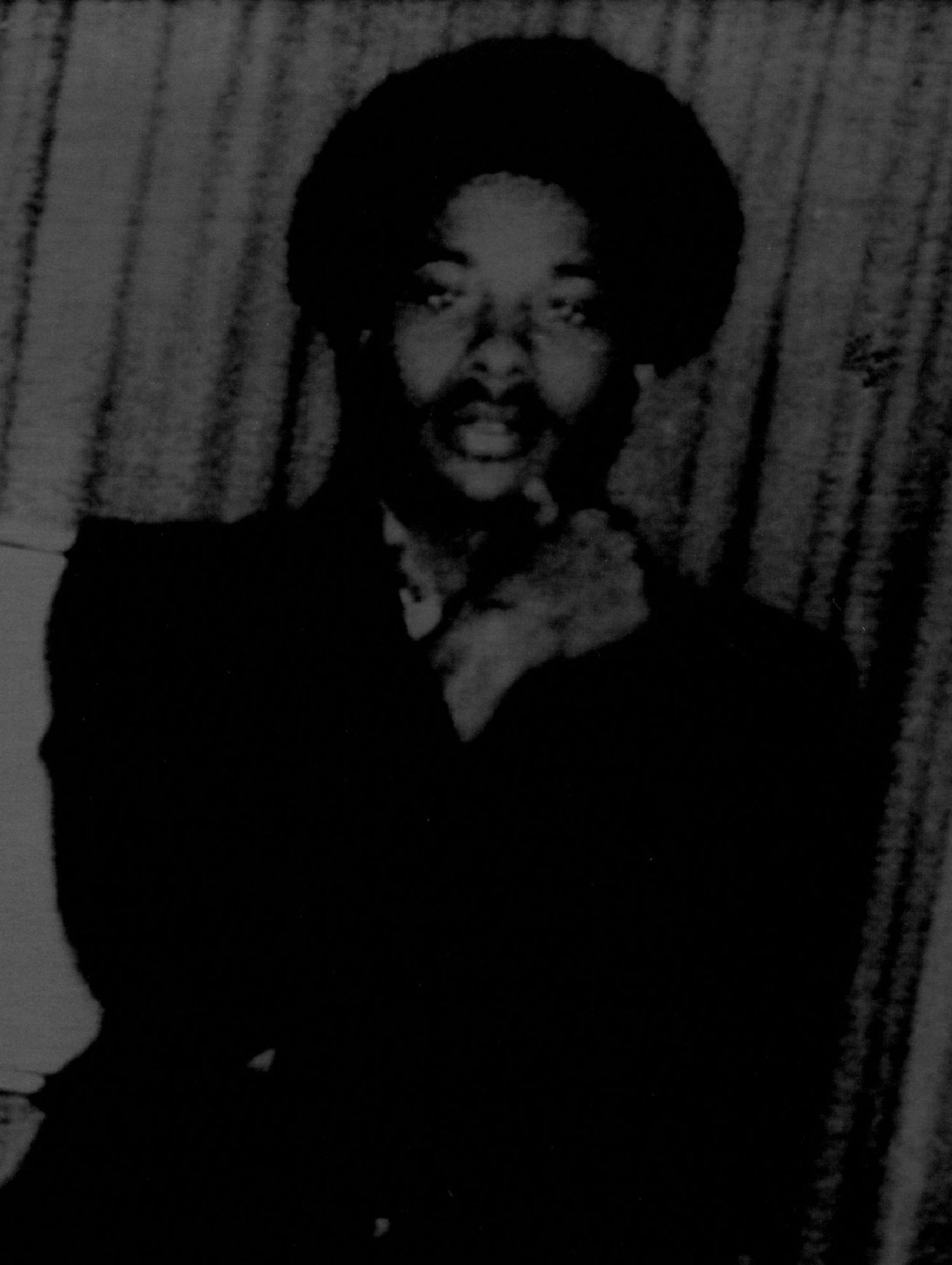
"Ernest Lacy, a 22-year-old black man who died in police custody after being arrested for a rape it was later learned he did not commit."
That description, in one form or another, appeared often in the Milwaukee Sentinel in the months after Ernest Lacy's death in the summer of 1981. I used it myself as a young reporter assigned to cover aspects of the story and resulting protests and investigations. The phrase comes back to me whenever news breaks on yet another black man losing his life in an altercation with police — whether the use of force appears appropriate or not — and I wonder if this cycle of urban tragedy will ever be broken.
Lacy was arrested after a woman reported being raped by a black man. Police said he tried to run while being taken to a squad car and that he fell to the ground in a struggle with officers. Although the officers denied hitting Lacy, the medical examiner found more than 30 cuts and bruises on his body, the Milwaukee Journal Sentinel recounted in a 2012 story.
To subdue Lacy, who had nothing to do with the rape, police held him face-down in a gutter with a knee in his back, according to witnesses. He was conscious when he was loaded into a police van but unable to sit on a seat. When another prisoner noticed Lacy was unconscious — just 21 minutes after he was first stopped by police — paramedics were called. Lacy was pronounced dead an hour later, and, after three autopsies, the medical examiner ruled the cause of death "undetermined."
Journal Sentinel investigative reporter Gina Barton revisited the Lacy case in 2012 after another 22-year-old black man, Derek Williams, died in police custody in Milwaukee in 2011, after being arrested on suspicion of robbery. He had no criminal record. A squad car video released 10 months later — and only after public-records requests by the newspaper — showed Williams begging for help and gasping for breath for eight minutes as officers in the front of the squad ignored him before he died.
An autopsy found that Williams also had 30 cuts, scratches and bruises, as well as a cracked bone in his neck, the newspaper reported. The assistant medical examiner who reviewed the case said Williams suffered the cuts and bruises jumping a fence and that the neck injury was caused by resuscitation efforts. The medical examiner failed to review police reports or the video before making his original ruling. He later changed the manner of death from natural to homicide after the Journal Sentinel provided him with reports that showed force was used. Meanwhile, police officials maintained that Williams died from a sickle cell crisis brought on by exertion.
Although a special prosecutor found that two of the officers involved in the case were careless and used bad judgment, no criminal charges were issued, in part because the prosecutor didn't think he could prove beyond a reasonable doubt that the officers knew Williams needed medical attention. Watch the disturbing video (http://tinyurl.com/pfpv2rh) — which officers could have but apparently did not view live from the screen in the front of the squad — and decide for yourself. But be forewarned: You will see a man die.
Three decades earlier, the Milwaukee County district attorney at the time of the Lacy case issued misconduct charges against the officers involved in the arrest, but a judge dismissed them because there were no laws in place making it a crime for police not to provide first aid, the Journal Sentinel reported. However, one of the officers was fired for excessive force, and four others were suspended.


