

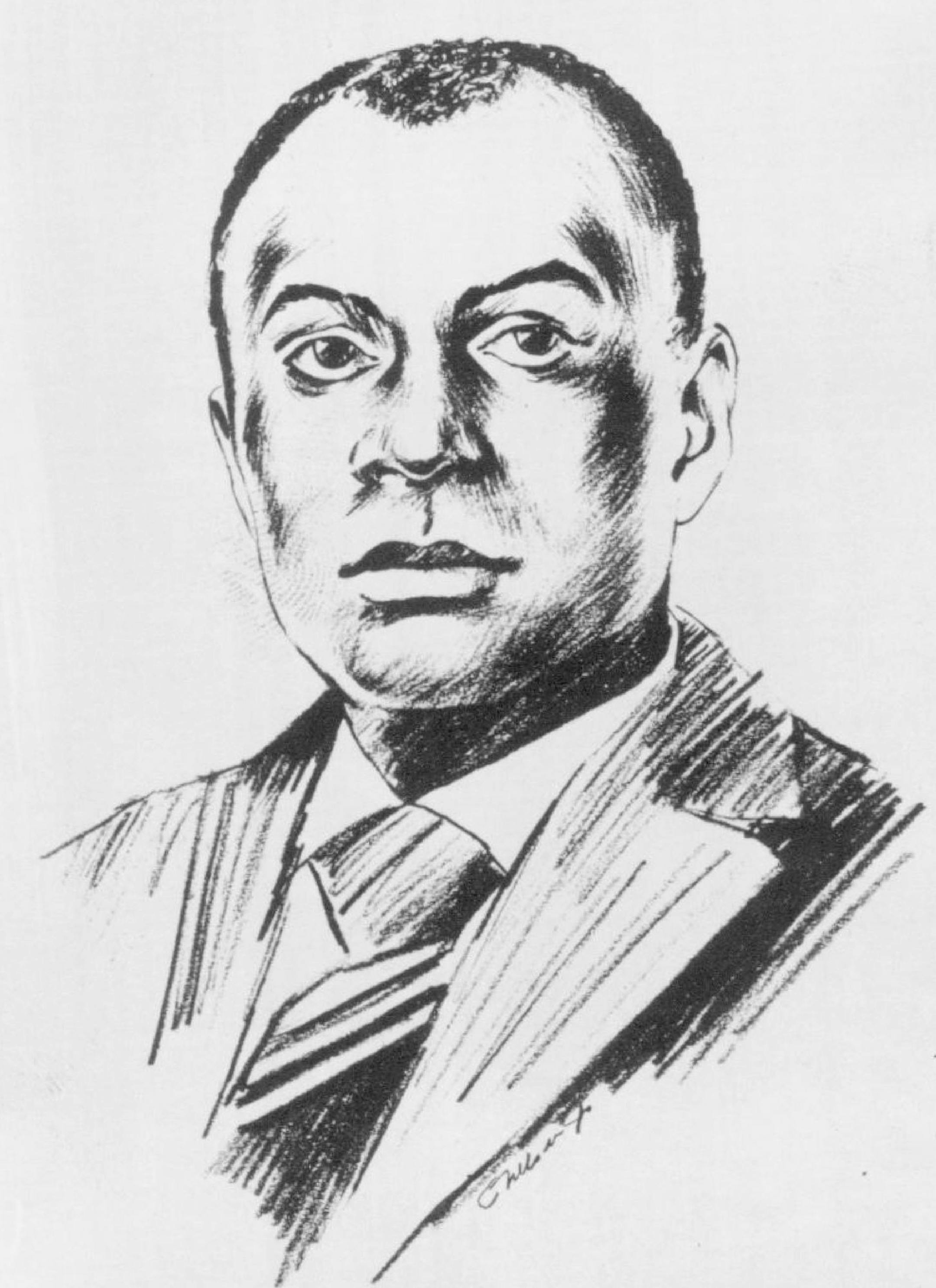
Charles Scrutchin walked into a barber shop in the rough-and-tumble northern Minnesota lumber town of Blackduck on a cold January day in 1901, asking for a shave. The barber, Eugene Smith, said that would cost $5 — more than 30 times what he usually charged for a 15-cent shave.
Smith told Scrutchin he'd never shaved a black man before and "wasn't going to commence" with it now. So Scrutchin, a Bemidji lawyer and one of Minnesota's first black attorneys, had the barber arrested for violating a new state law.
In 1899, Scrutchin helped draft landmark Minnesota legislation that banned racial discrimination in public places, including hotels, saloons, restaurants and barber shops.
When a local judge dismissed the misdemeanor Blackduck case, Scrutchin filed a $100 civil suit "for the affront put upon him." The two-day trial in a packed Bemidji courtroom started with "rather acrimonious" accounts of Smith's use of racial slurs. The barber's lawyer countered by saying Smith's father had fought against slavery in the Civil War.
Judge John Martin said despite Smith's "illustrious parentage," he was responsible for his actions. One of the 12 jurors refused to join the others, who were siding with the barber. So the judge stepped in and ruled in Scrutchin's favor, awarding him $5 for the inflated shave and ordering the barber to pay all legal fees.
It was a minor victory, but Scrutchin was on his way as a legal advocate for racial justice in northern Minnesota. He would go on to help a black boxer avoid a hanging in a murder case and win an acquittal for a circus worker accused of rape in a 1920 Duluth case that saw a white mob lynch three other black suspects.
Scrutchin was born in Richmond, Va., in 1865 just as that Confederate capital fell at the end of the Civil War. He crisscrossed the country as a young person, from Atlanta to Spokane, Wash. — graduating from the University of Washington in 1890.
Working as a railroad porter and a waiter, he became one of four black members of the 319 students graduating from the University of Michigan with law degrees in 1893. He launched his legal career in Chicago and moved in 1898 to St. Paul, a city he knew well from his porter days on the Great Northern Railway.


