Shereé Peterson and a party of female relatives were delighted with the swirly, black designs a henna artist had piped onto their hands and forearms at a Minneapolis mall.
Peterson, of Minnetonka, her 5-year-old daughter Sophia and four others had piled into one car just before the New Year and set off to get temporary henna tattoos from the artist, who had been recommended by a Ridgedale store clerk. The group was directed to a booth in Karmel Square filled with colorful scarves and other merchandise. A woman at the back of the booth charged $5 per tattoo.
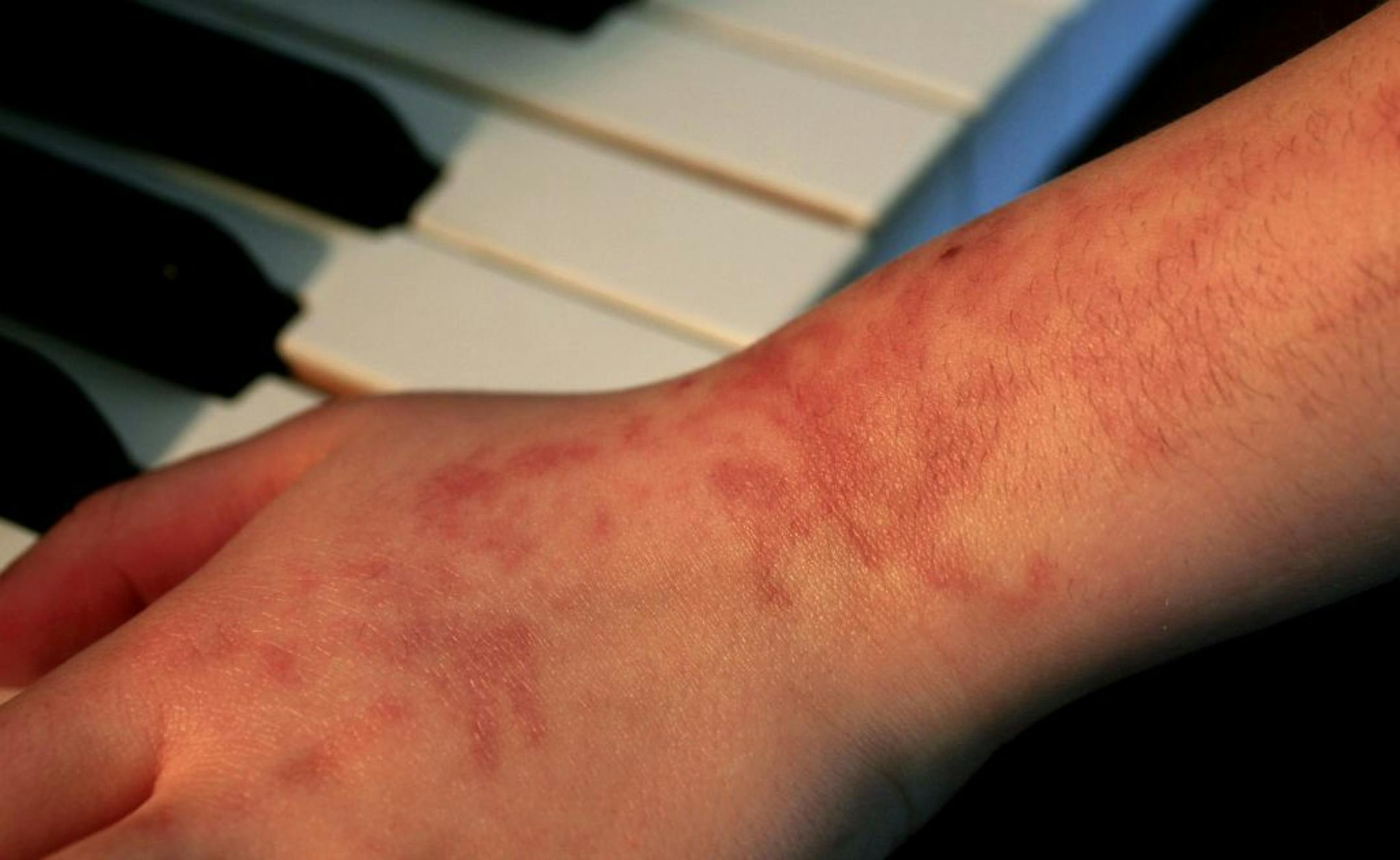
A week and a half later, as Sophia's tattoo began to fade, an identical design of raised itchy blisters took its place. Peterson soon discovered that an ingredient found in some henna pastes is a strong allergen that is illegal to apply to skin but goes largely unregulated.
"In my mind, I was just thinking, oh, this is henna, which I had known to come from a plant. I didn't think twice about a potential reaction," Peterson said.
The culprit in Sophia's case is a chemical called para phenylenediamine (PPD), a pediatrician told Peterson.
It may also have been the culprit at a eighth-grade graduation party in 2011, when about half of a group of 35 Twin Cities students developed blisters and weeping lesions about a week after an artist used a dark-colored paste to draw henna tattoos on their skin. According to a news release by the Minnesota Department of Health, the children were treated with steroid cream and three were given oral antibiotics. The department, which didn't identify the children, urged customers to check for PPD in henna pastes before getting a tattoo.
Many henna artists mix their own henna paste solutions and some add PPD to darken the staining and lengthen the life of the tattoo. PPD may also be present in pre-mixed henna sold by retailers and may not be properly labeled.
Harbinger of luck