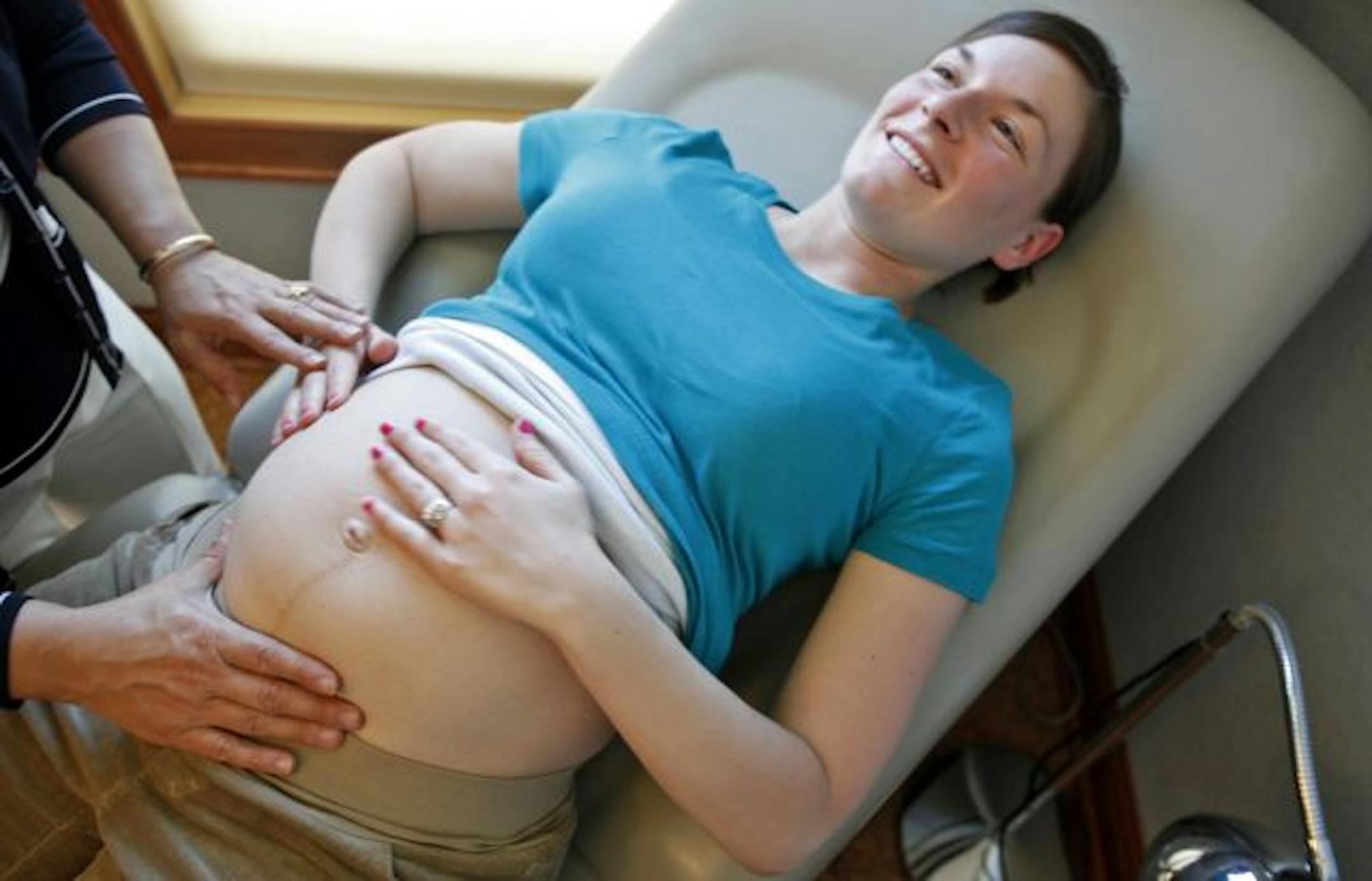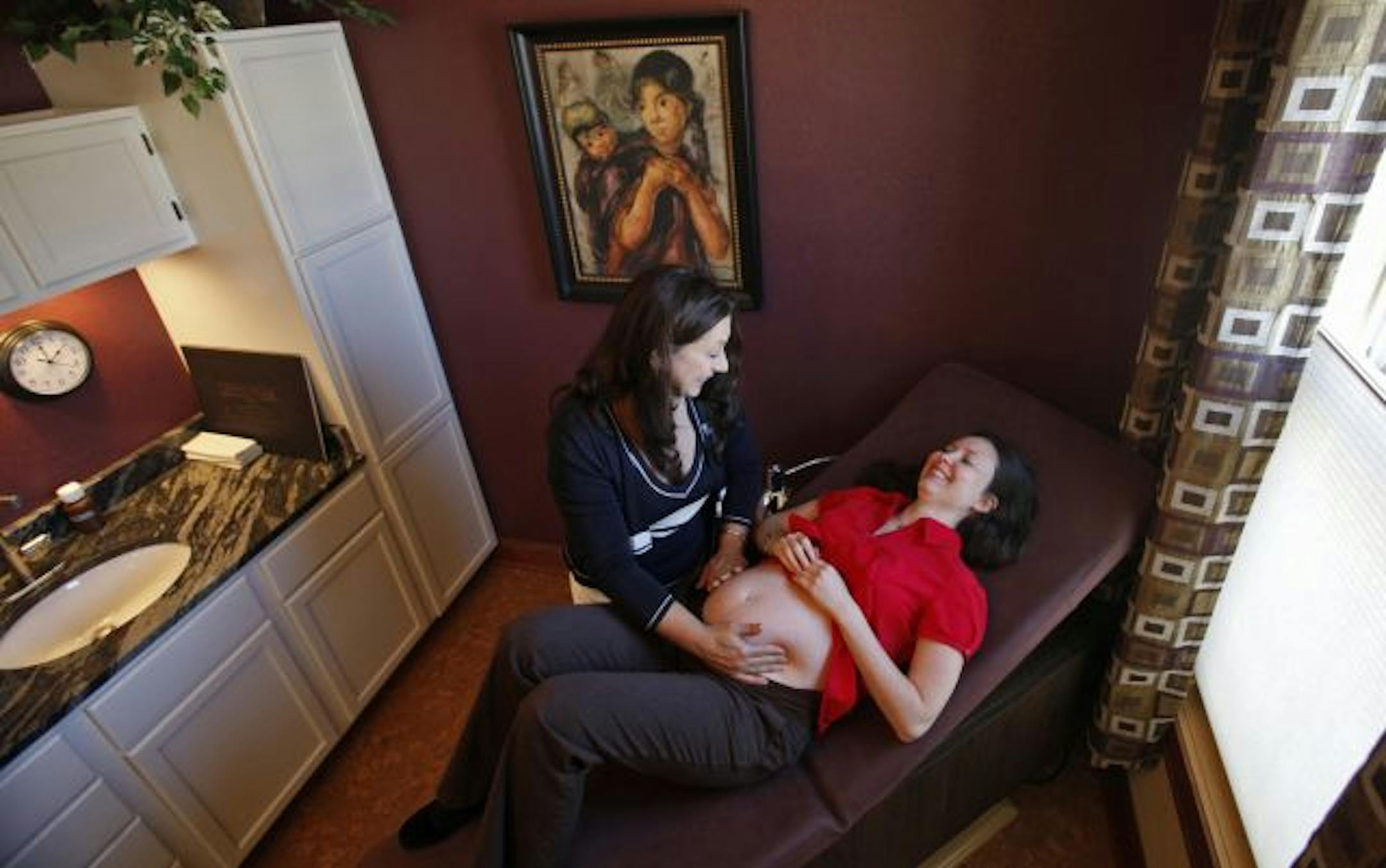
The natural-childbirth movement won a significant victory in Minnesota last week with a new law that licenses free-standing birthing centers that use midwives instead of doctors.
The law, contained in the Legislature's massive last-minute budget bill, sets out medical standards for birthing centers and requires Medicaid to pay for deliveries at the new facilities.
"It's a game-changer in giving midwives and birth centers a level playing field in innovative pregnancy care," said Dr. Steve Calvin, an expert in high-risk pregnancy.
Because Medicaid pays for more than a third of all births in Minnesota, and because delivery costs less in a birth center than in a hospital, the new law could eventually save taxpayers up to $300,000 per year, a legislative analysis concluded.
Birth centers are a new and controversial option for low-risk pregnant women in Minnesota, one that has become part of the national debate around quality and cost in the nation's health care system. The federal health overhaul passed by Congress in March requires Medicaid to cover deliveries at birth centers, which now operate in 33 states.
Two centers are open in Minnesota -- Morning Star in St. Louis Park and Health Foundations in St. Paul. Calvin and midwife Cheryl Heitkamp are planning a third in Minneapolis.
The new law states that birth centers are not hospitals and sets restrictions on the care they can provide: only uncomplicated vaginal deliveries with limited use of anesthesia. They must also be accredited by the national Commission for the Accreditation of Birth Centers, which sets practice and safety standards.
Birth centers must be within a 30-minute drive of a hospital with emergency services, for example, and develop relationships with physicians and other experts who provide oversight.