eBird, as you might know, is an electronic data collection service receiving input from tens of thousands of North American birders. Birders can report what they see — species, numbers, and location, on the spot — directly to the Cornell Lab of Ornithology with a cell phone.
Collecting information has rarely been this easy or complete.
That data has been worked into an interesting set of bird-status reports by the Cornell Lab, originator and manager of the data base.
Information submitted by birders, and organized by Cornell, shows you animated migration patterns, species population ups and downs, and a list of other fascinating facts about bird movement, range, and numbers.
Cornell presently has on-line data for 107 North American bird species, including many we see in Minnesota.
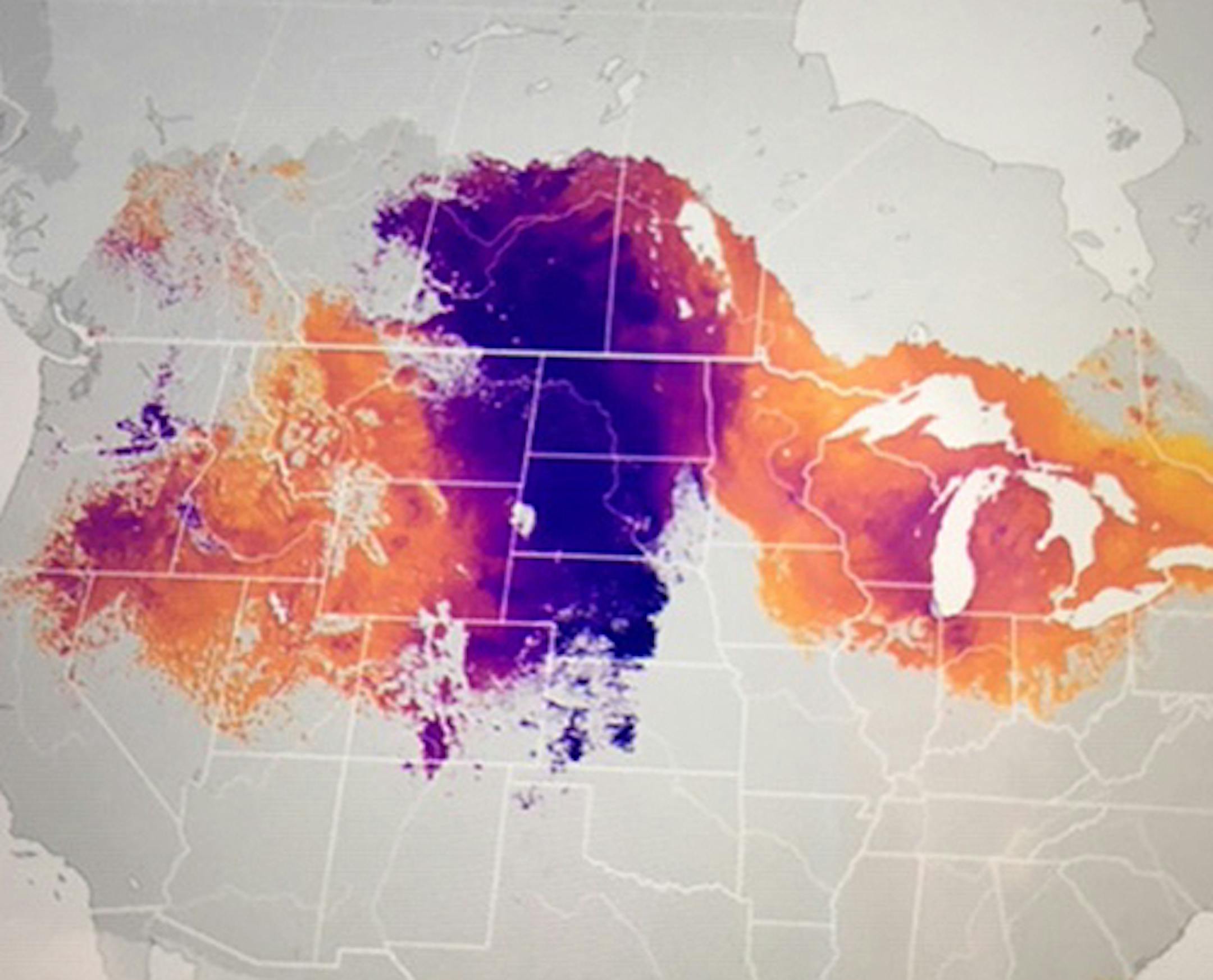
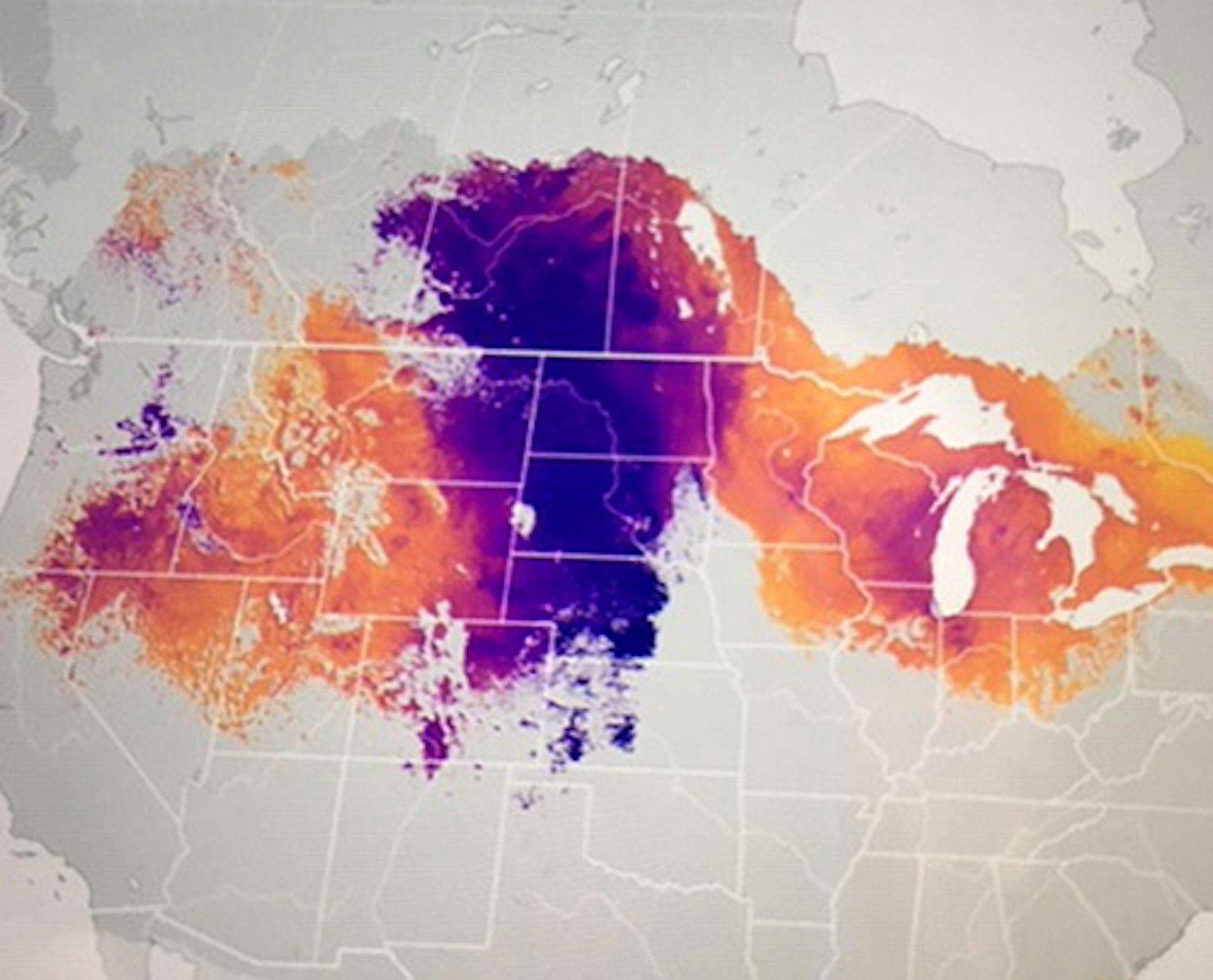
Trumpeter Swan is a good example. The map showing abundance makes clear the success of Minnesota's swan reintroduction project.
(Begun in the 1960s with eggs from Montana and Alaskan swans, the project raised and released swans into the 1980s. Nesting documented in 1998 the first Trumpeter Swan nesting in Minnesota in nearly 80 years.)
The Cornell map shows heavy swan presence in northwestern Washington state, the greater Rocky Mountain area, and in Minnesota. Our population is heaviest in the metro area.