In Mark Twain's classic book "The Adventures of Huckleberry Finn," the hero and his slave friend Jim are on the run. Rafting down the Mississippi River, they've come ashore to seek a place to be hidden and dry.
Jim tells Huck that "the little birds had said it was going to rain. … "
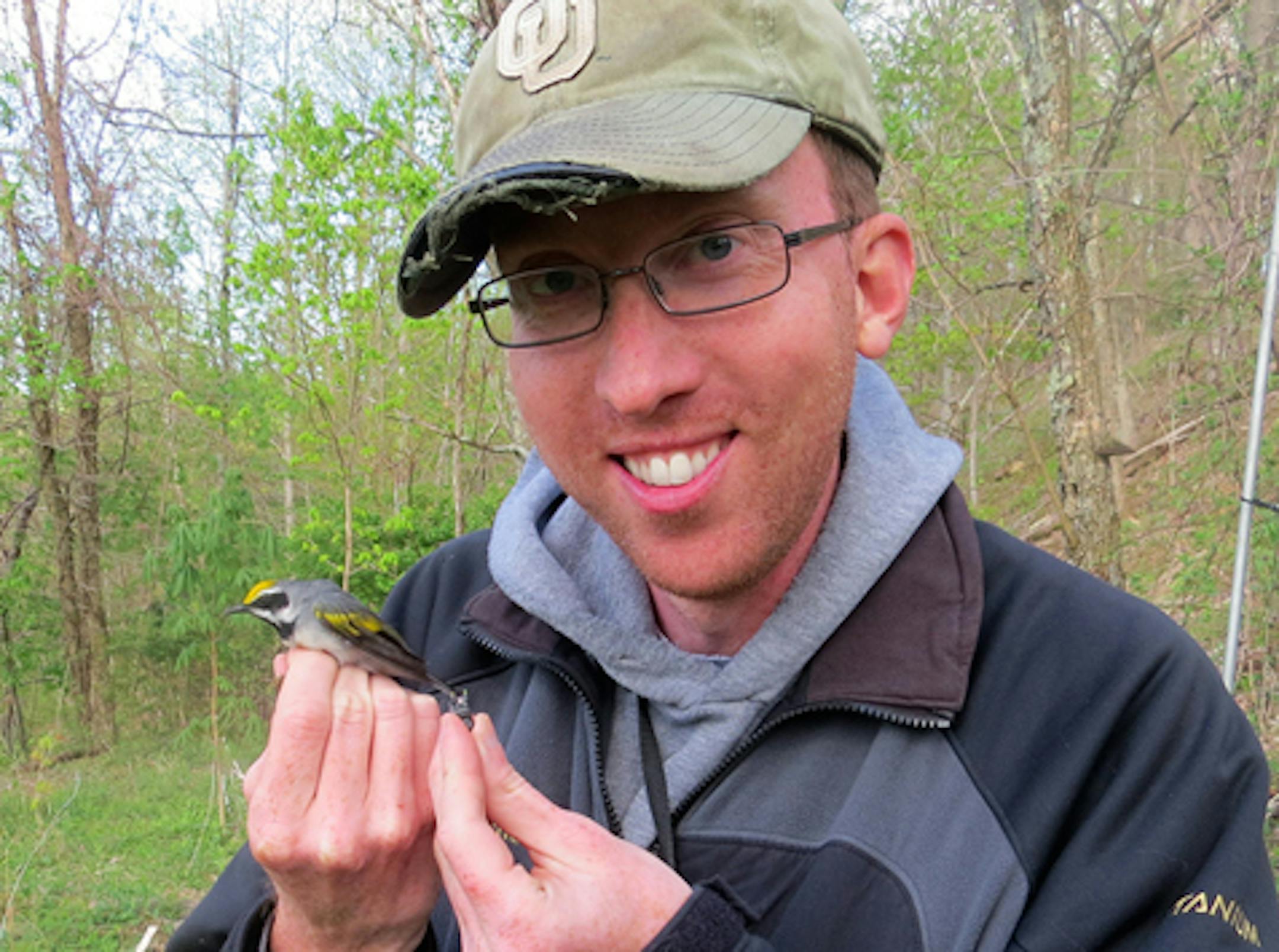
Henry Streby, who earned a Ph.D. at the University of Minnesota, has evidence in spades that Jim was correct. Birds do react to approaching weather, more so than anyone knew or believed.
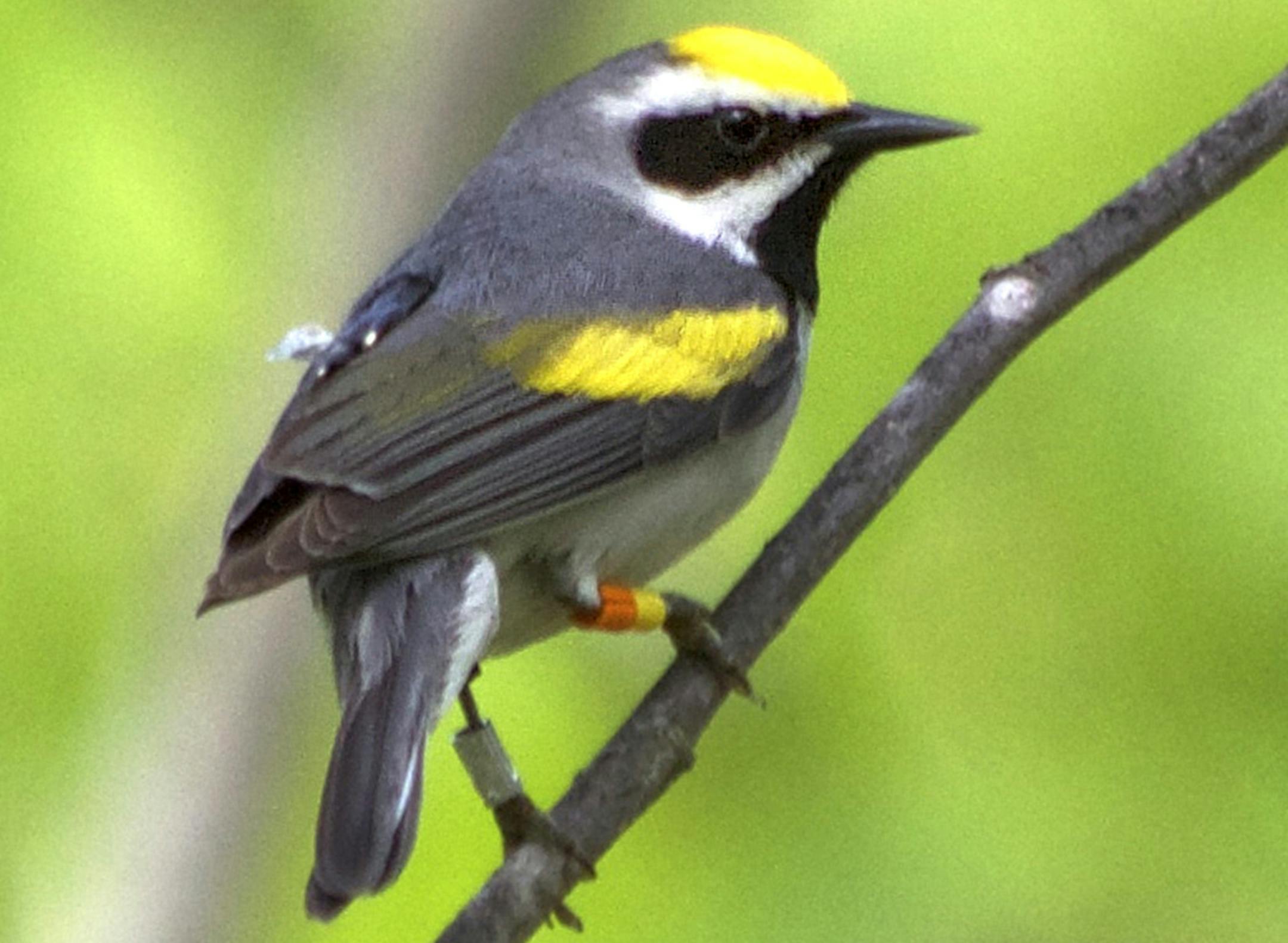
Golden-winged warblers being studied by Streby and two graduate students apparently recognized an approaching severe weather system two days before it struck their study area in the Cumberland Mountains of eastern Tennessee last April.
Spring migrants, the birds reversed course upon sensing the storm, which was then about 600 miles to their west, fleeing several hundred miles southeast to avoid it. Interestingly, they roughly followed their usual fall and spring migration routes, individual for each bird.
When the weather cleared, the birds returned to the particular nesting territories they had abandoned. The round trips covered about 900 miles in five days.
Dr. Streby believes that the birds could sense infrasound produced by storms, sound at a level below the normal limit of our hearing, 20 cycles per second. (The infrasound frequency range is used to monitor earthquakes, among other things.)
This particular storm produced 84 confirmed tornadoes that killed at least 35 people. The birds left for a good reason.