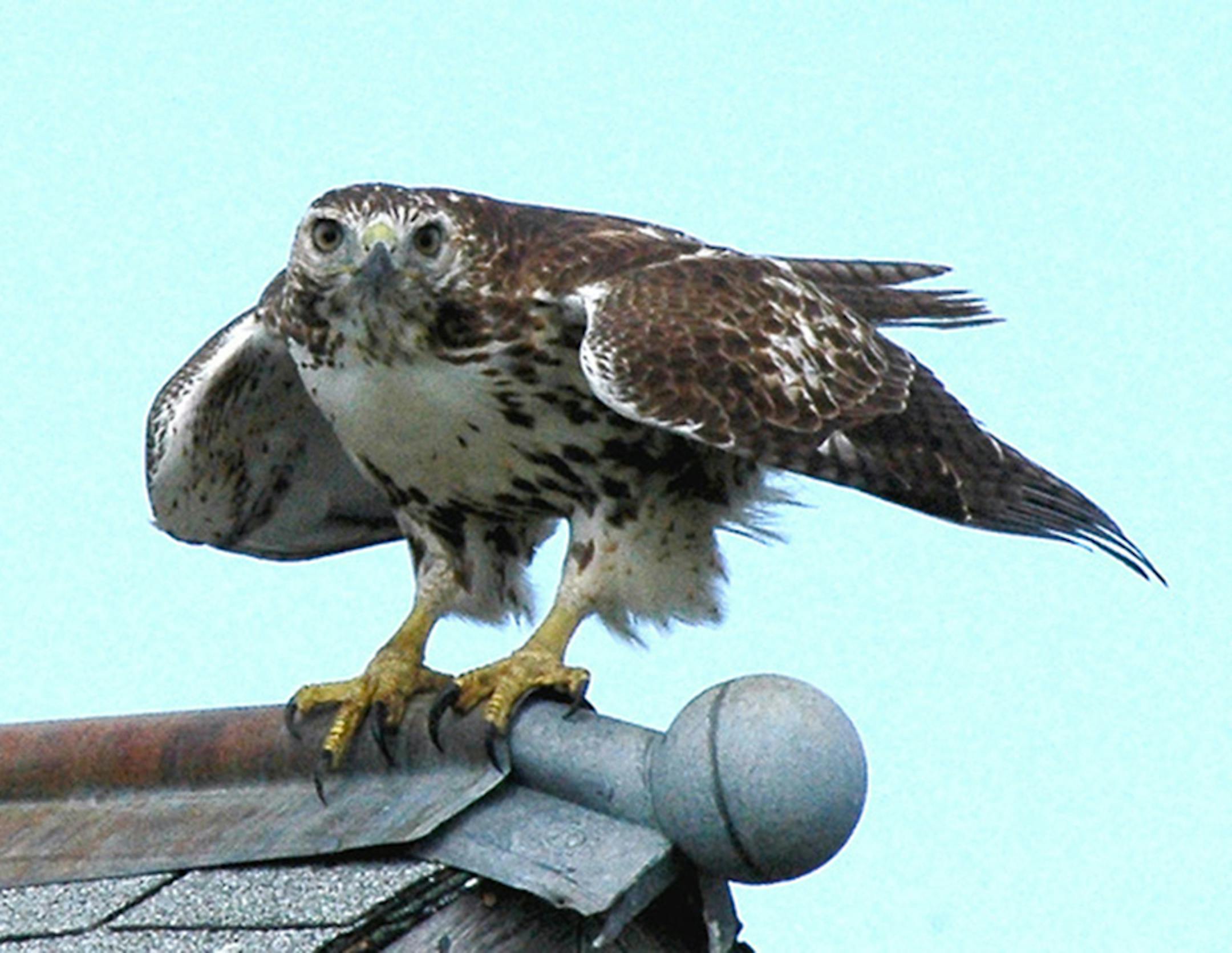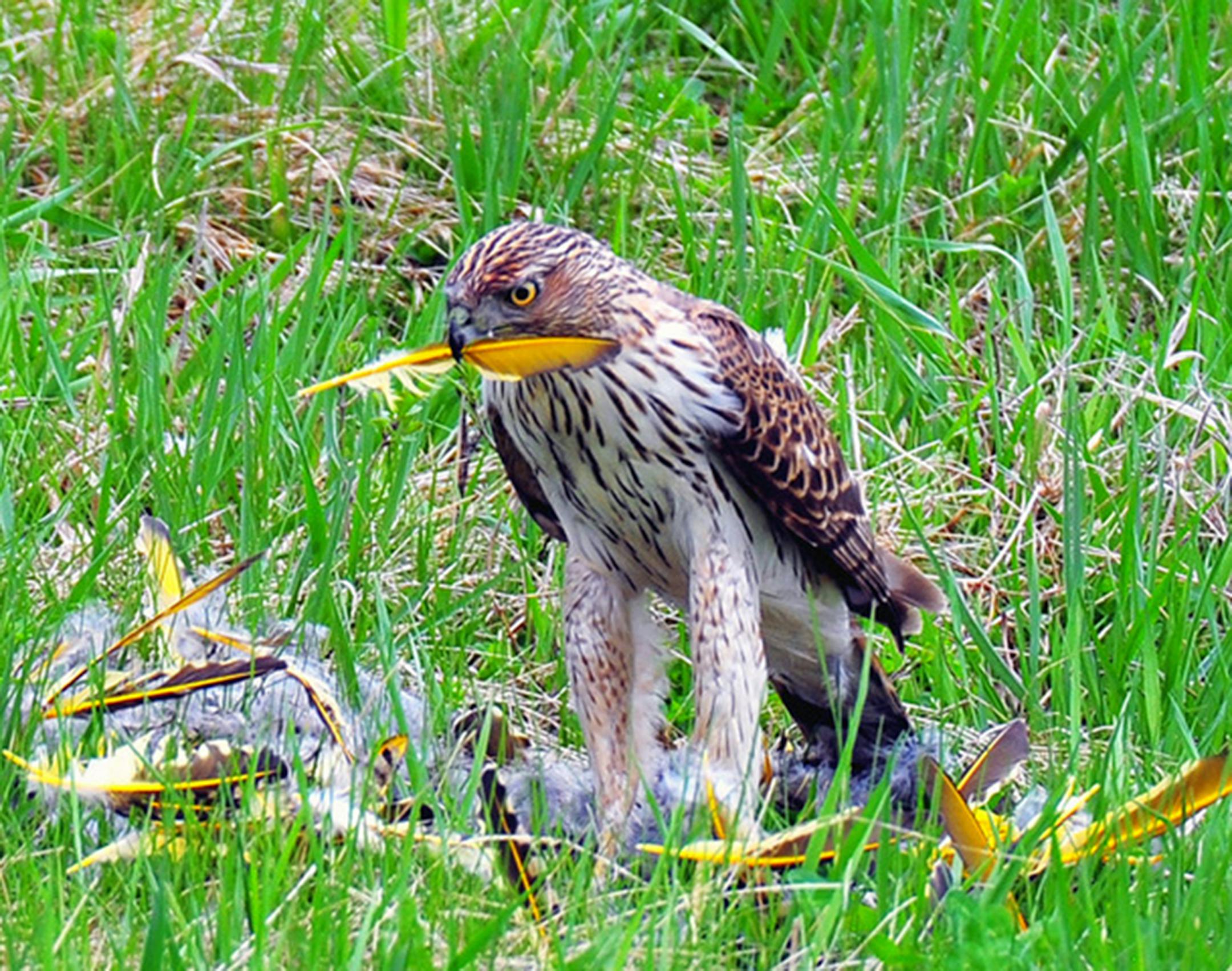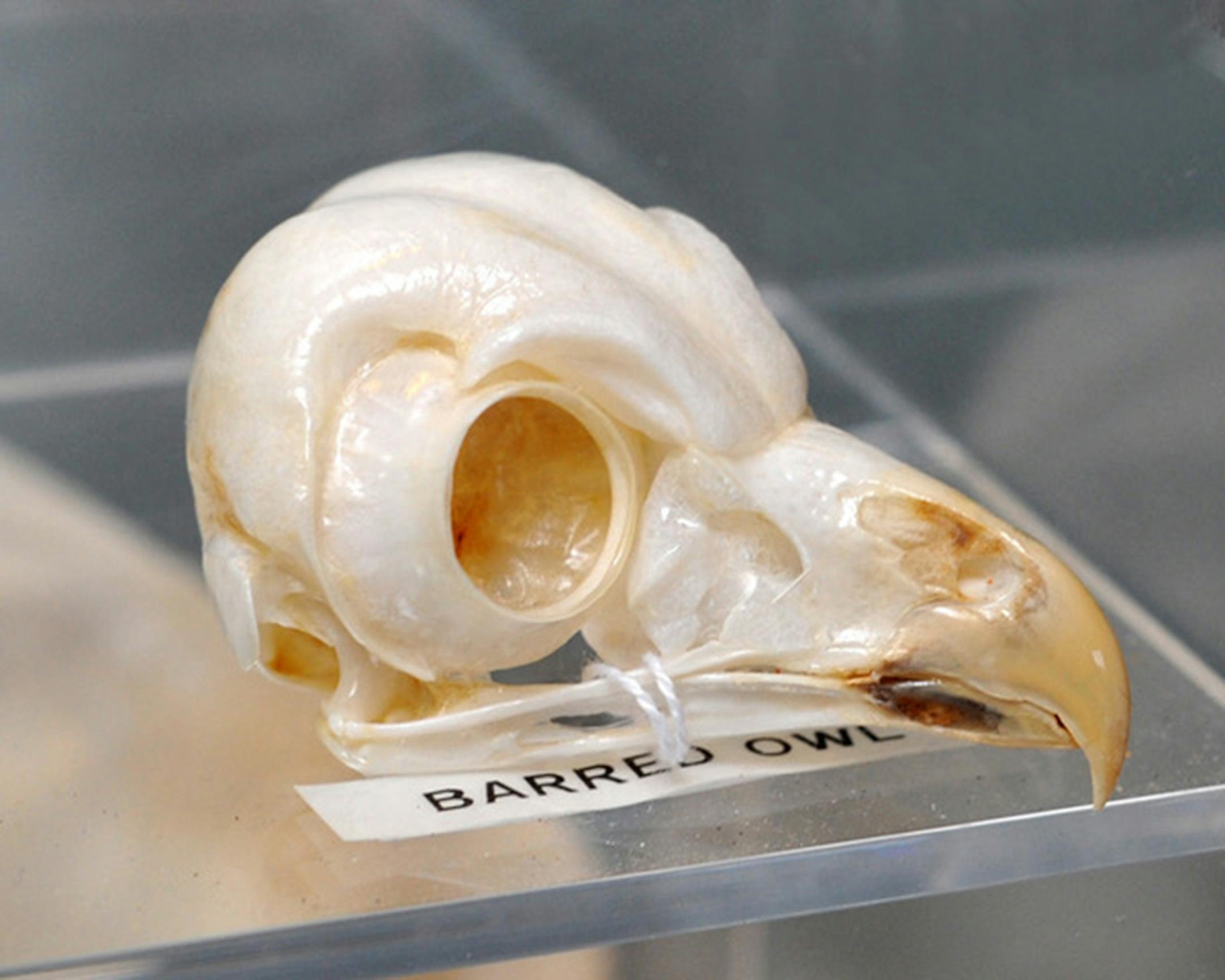
Birds are superior creatures when it comes to sight. During 150 million years of natural selection their eyes have adapted to specific needs. There is no one size fits all.
Some years ago on a birding trip to Louisiana I was idling in a road maintenance parking lot while my companions stalked birds in a nearby woods. I was tired.
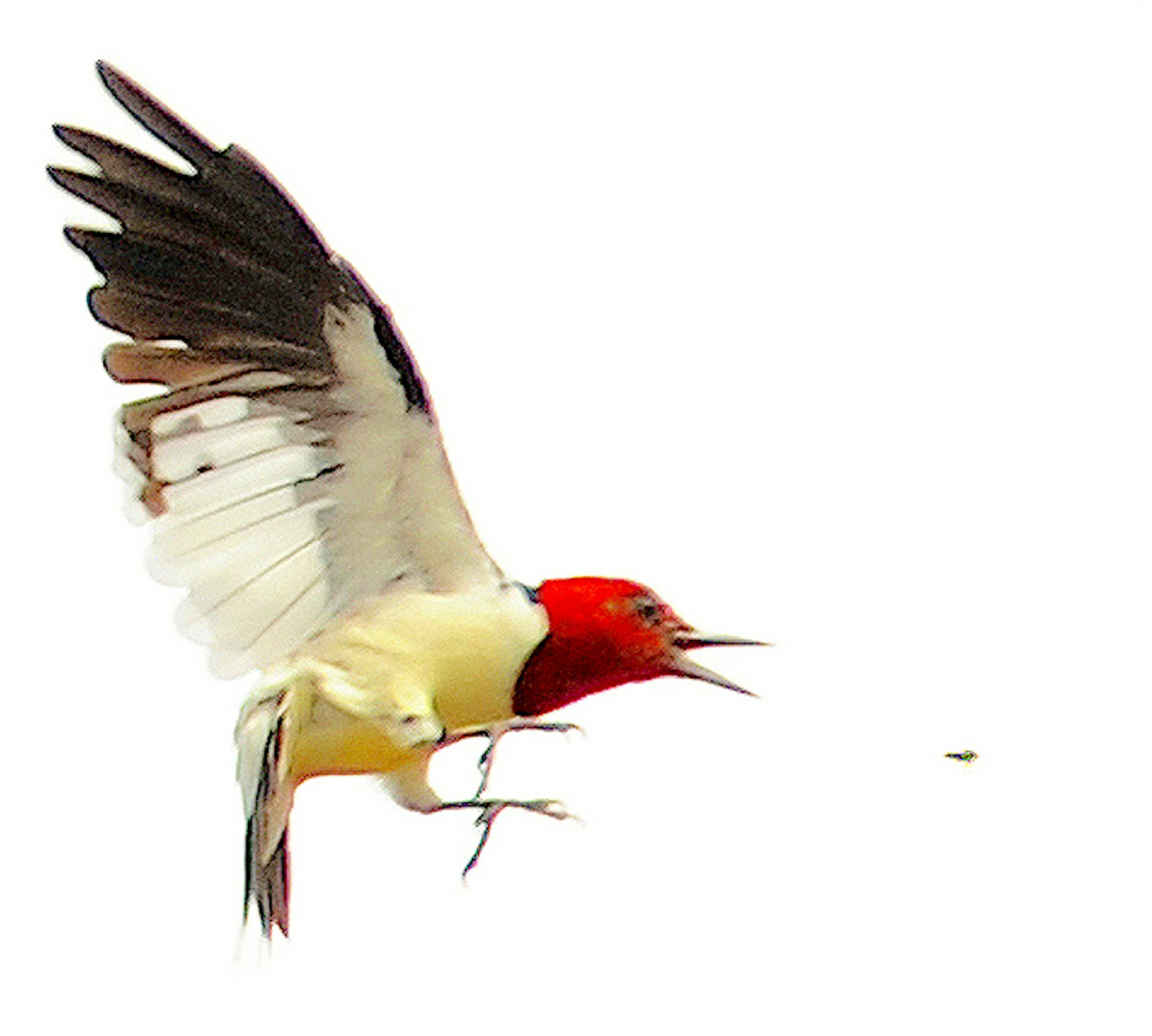
I perked up when a red-headed woodpecker snapped an insect from the air right in front of me. The bird was circling a building, its hunting ground the air I was staring into.
The woodpecker saw the bug sooner than most humans would and in sharp detail. The bird also had a reaction time allowing it to follow erratic flight.
This woodpecker species is among those bird species that hawk insects, nabbing them on the wing. They can do it because, for one thing, they have very good visual acuity, ability to make out sharp details.
Birds see detail at least twice as well as we do. Blur disappears because bird brains process up to 100 images per second.
We usually can handle no more than half that. Think of it this way: Our sight perception is like slow motion compared with birds' higher processing speed.
The acuity of birds, raptors in particular, has been measured at 20/5 or slightly better. At 20 feet, those birds can perceive fine details that 20/20 vision can see from 5 feet away.