

A flock of barn swallows rests on a utility line, each bird such an even distance from the others it's as if they carried a tape measure.
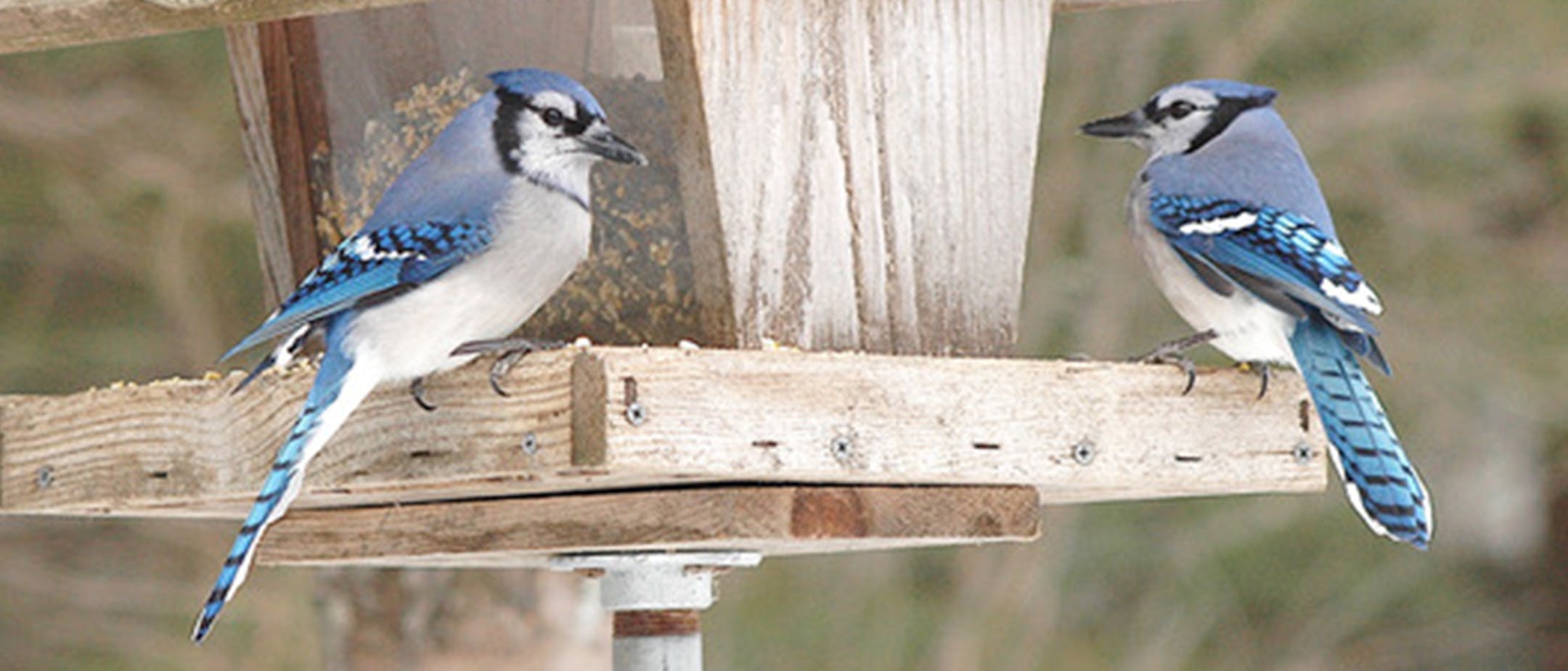
Chickadees may arrive in a small flock near a bird feeder, but only one bird comes in at a time, while the others wait their turns nearby.
Dark-eyed juncos move over the ground under feeders, staying a foot or more from each other even as the flock moves around.
Although humans have had to learn to stay at least 6 feet apart in this time of contagion, birds have always kept their distance — but this isn't related to disease avoidance (at least as far as we know). No, birds are masters at giving each other space in order to maximize foraging for food, raising their young and aerodynamics in flight.
"Chickadees are great at social distancing," says Laura Erickson, who studies birds from her Duluth home base. She calls them the "Norwegian bachelor farmers of the bird world" for their habit of each grabbing a seed and then eating it alone. One of the most common reasons for having "wide elbows" is that birds need to divvy up the available resources. If one chickadee forgets its place, a brief conflict ensues.
Those swallows sitting on a wire are also sharing a resource — flying insects — and their spacing allows each to sweep off in pursuit of a meal without bumping into other swallows.
Great blue herons and great egrets provide another example of birds splitting up a foraging territory: These large wading birds work the shorelines of streams, ponds and lakes as they hunt for fish and frogs. Even if there's a good "fishing hole" in one spot, the herons stay far apart as they slowly pace the water's edge.
Birds that nest in groups of their own kind enjoy the benefits of proximity, such as greater protection from predators, but they also need their space. Carrol Henderson, who until recently retiring headed up the Nongame Wildlife Program for the Department of Natural Resources, observed this while banding white pelicans in Minnesota during nesting season.


