

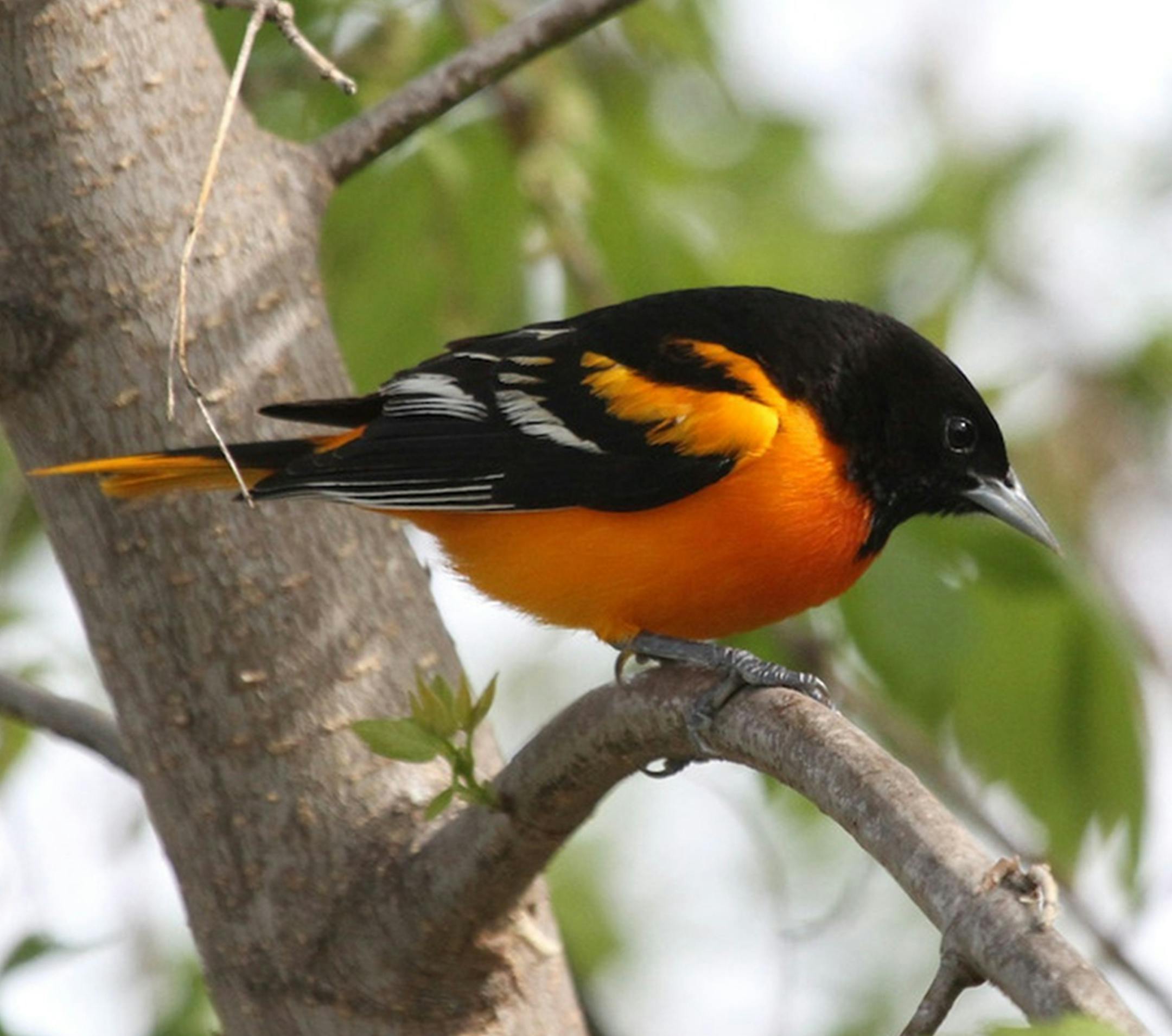
People who love birds have been saying for some time that their numbers seem to be down, and that spring and fall migrations aren't as lively as they once were.
Turns out that these people were right: There are fewer birds than there were a generation ago, and the drop in many of our common bird species is noticeable. There now are 40% fewer Baltimore orioles and 25% fewer blue jays and juncos, for example.
There's been a staggering loss of birds across North America. You probably saw the news stories in mid-September, announcing that our continent has lost 3 billion birds — 25% of the total population of birds — in the past 50 years. The scientists who pulled together the study were shocked by the steep losses, across 300 species since 1970.
What would autumn be without the sweet whistles of migratory white-throated sparrows? Or rural areas filled with chattering red-winged blackbirds as they form migratory flocks? A third of the population of both birds has simply disappeared.
This is horrific news, and a jolt to most of us. We knew that things weren't going well in the natural world, but there have always been birds around us, and it's been easy to assume that there always will be.
But this is a wake-up call, because this huge loss of adult, breeding birds can't be sustained. We could face a true "silent spring" unless we take steps.
"The loss of nearly three billion birds signals a looming crisis that we have the power to stop," says John Fitzpatrick, director, Cornell Lab of Ornithology, pointing to a need for "bold, landscape-scale conservation campaigns." These worked to bring back the bald eagle, the peregrine falcon and waterfowl like wood ducks.
There are things we individual bird lovers can do, as well, to make a difference. Let's face it: If we live in a home or apartment with windows, we're killing birds. If we let our cats roam outside, we're letting them kill birds. And if we use harmful pesticides on our lawns and gardens, we're causing birds to die.


