Birds are as early as spring this year in the Twin Cities

For the Minnesota Star Tribune
March 15, 2017 at 7:31PM
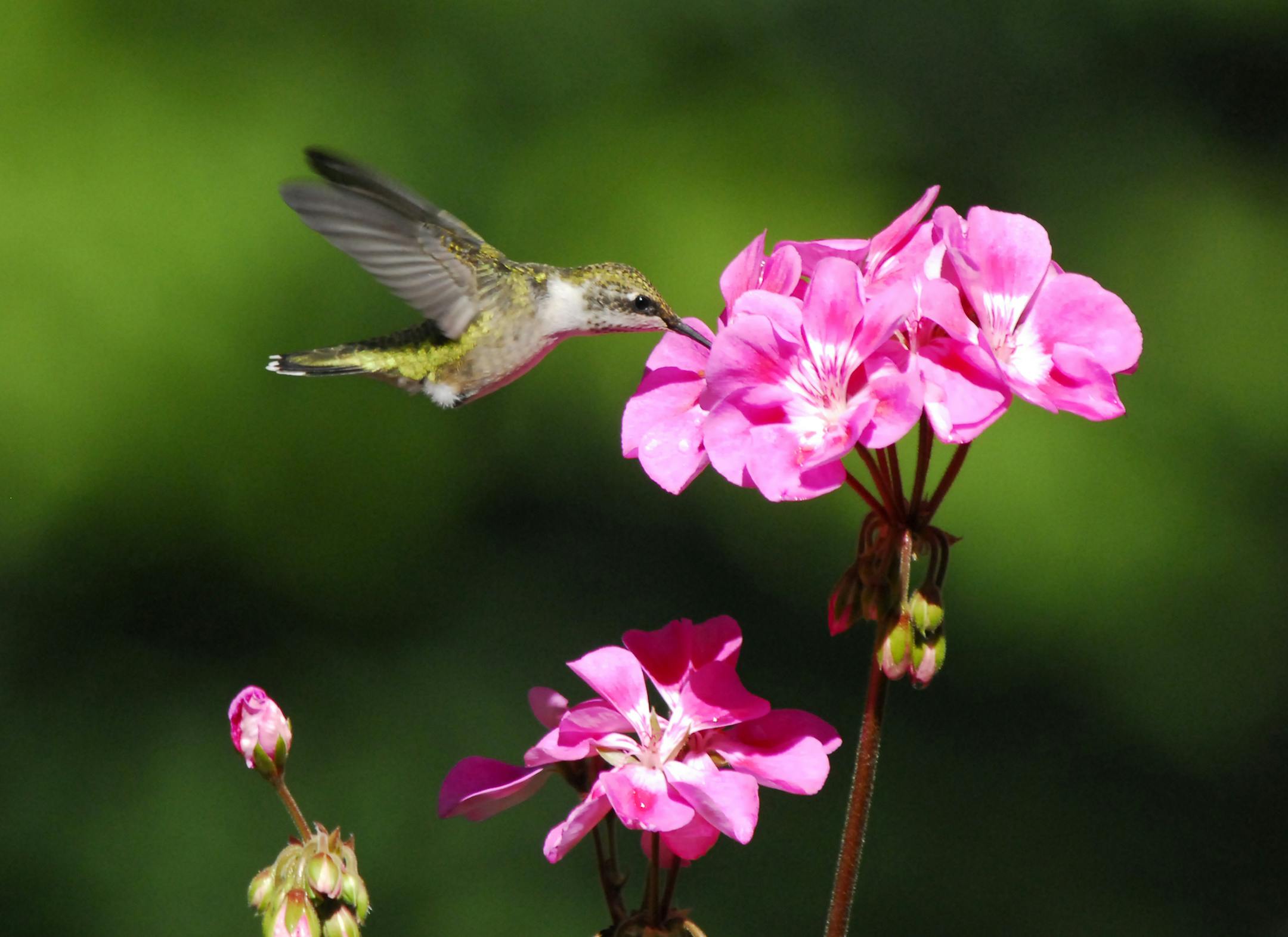
Male ruby-throated hummingbirds can become very possessive of nectar feeders. They will drive other hummers away.
Photo by Jim Williams
Ruby-throated hummingbirds, including colorful males, will be heading our way soon. They love to “sip” from flowers and nectar feeders. (The Minnesota Star Tribune)

This spring we've already seen a bounty of early birds. And it's not even spring yet (at least not officially).

That hasn't stopped birds from winging their way north, some as early as February. Clouds of geese, plus ducks, grebes, killdeer, blackbirds, larks, shorebirds and sandhill cranes — were lured north by the freakishly warm weather.

Others, mostly neotropical birds that winter in Central and South America, don't take their cues from the temperatures. They move north according to internal clocks set eons ago. But these brightly colored jewels in springtime's necklace — orioles, warblers, tanagers, grosbeaks, buntings and hummingbirds — will be heading our way soon.

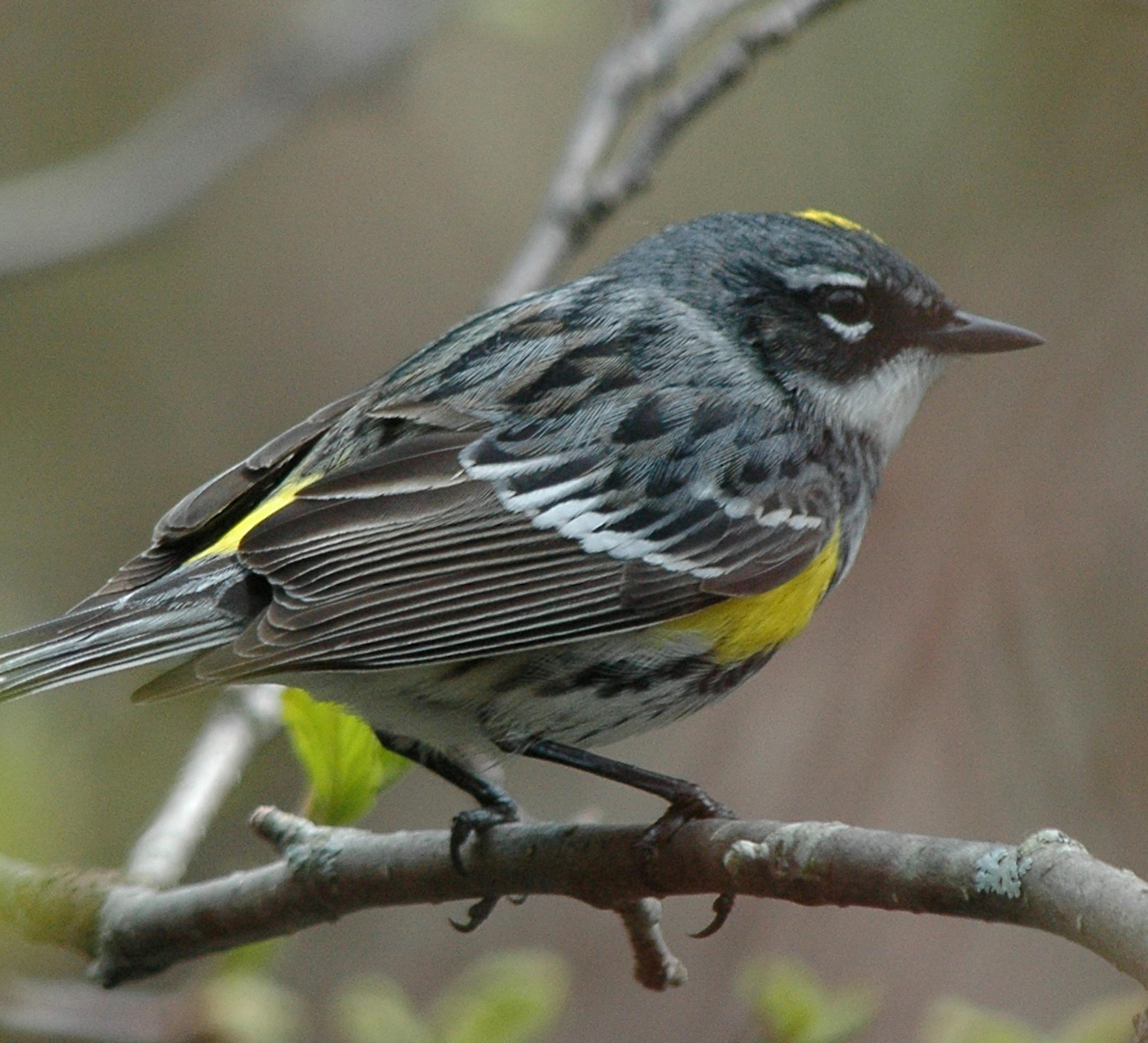
Yellow-rumped warblers are among the first vividly colorful birds to look for, certainly in April. A few could be here this month. They'll soon be joined by palm warblers. Other warblers (we can see 28 different species, migrating through or nesting) will make their appearances from late April through May.

Ruby-throated hummingbirds and Baltimore orioles will arrive in late April or early May. If you want to see these beauties, which travel thousands of miles to get here, put out feeders designed specially for them by the third week of April.

If your backyard isn't the best place to see birds, go to a lake or park. Walk along a creek, or head to a wildlife refuge.

Take your time, look up and down and listen carefully. (You often hear birds before you see them.) If you want help with identification, bring a guide book or download an app. But don't try to take pictures. Not on your first outing.

Just enjoy these birds, many of which are short-timers here. You can post to Facebook next time.
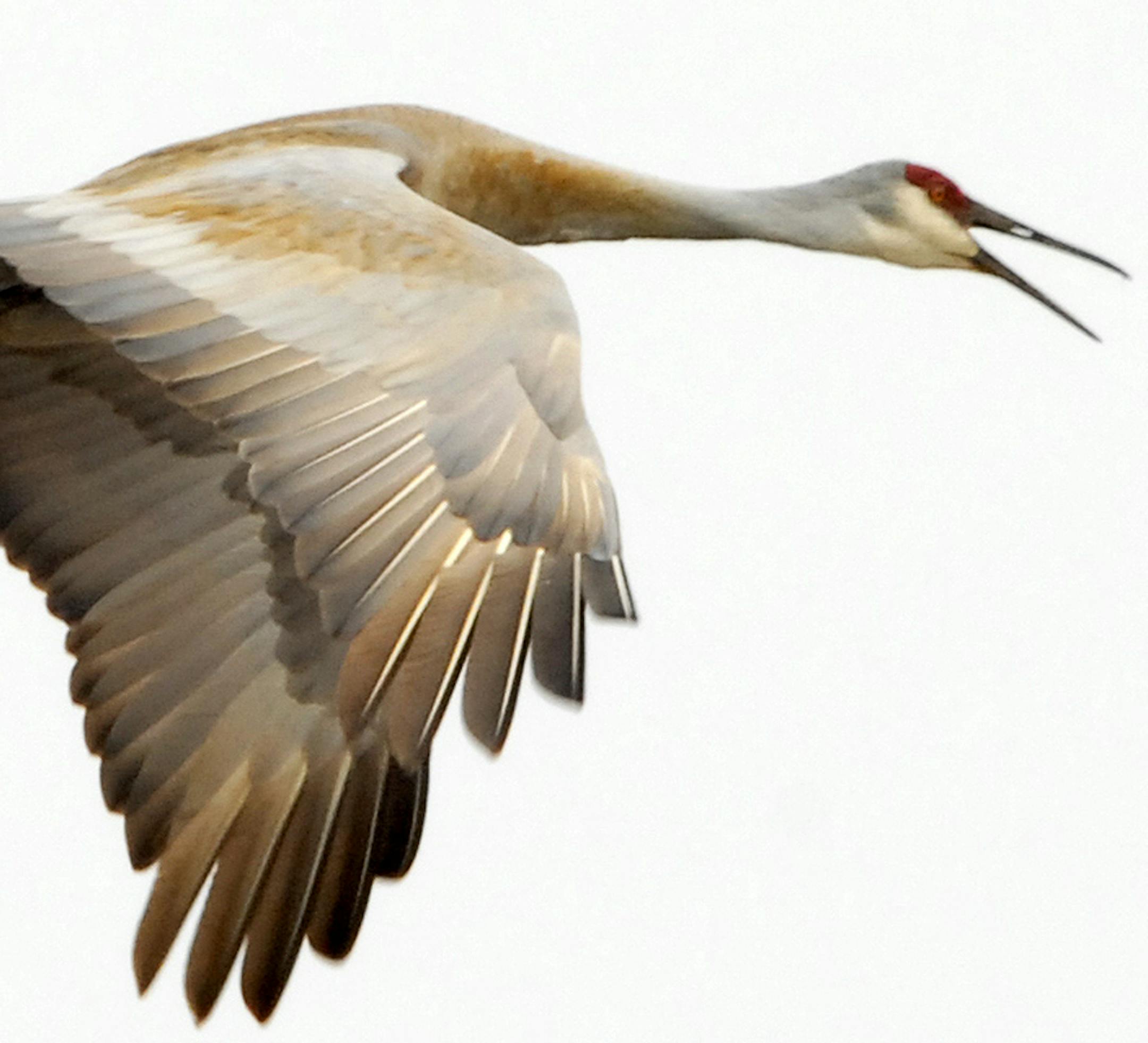

Sandhill crane in flight
Sandhill crane in flight (Special to the Star Tribune/The Minnesota Star Tribune)
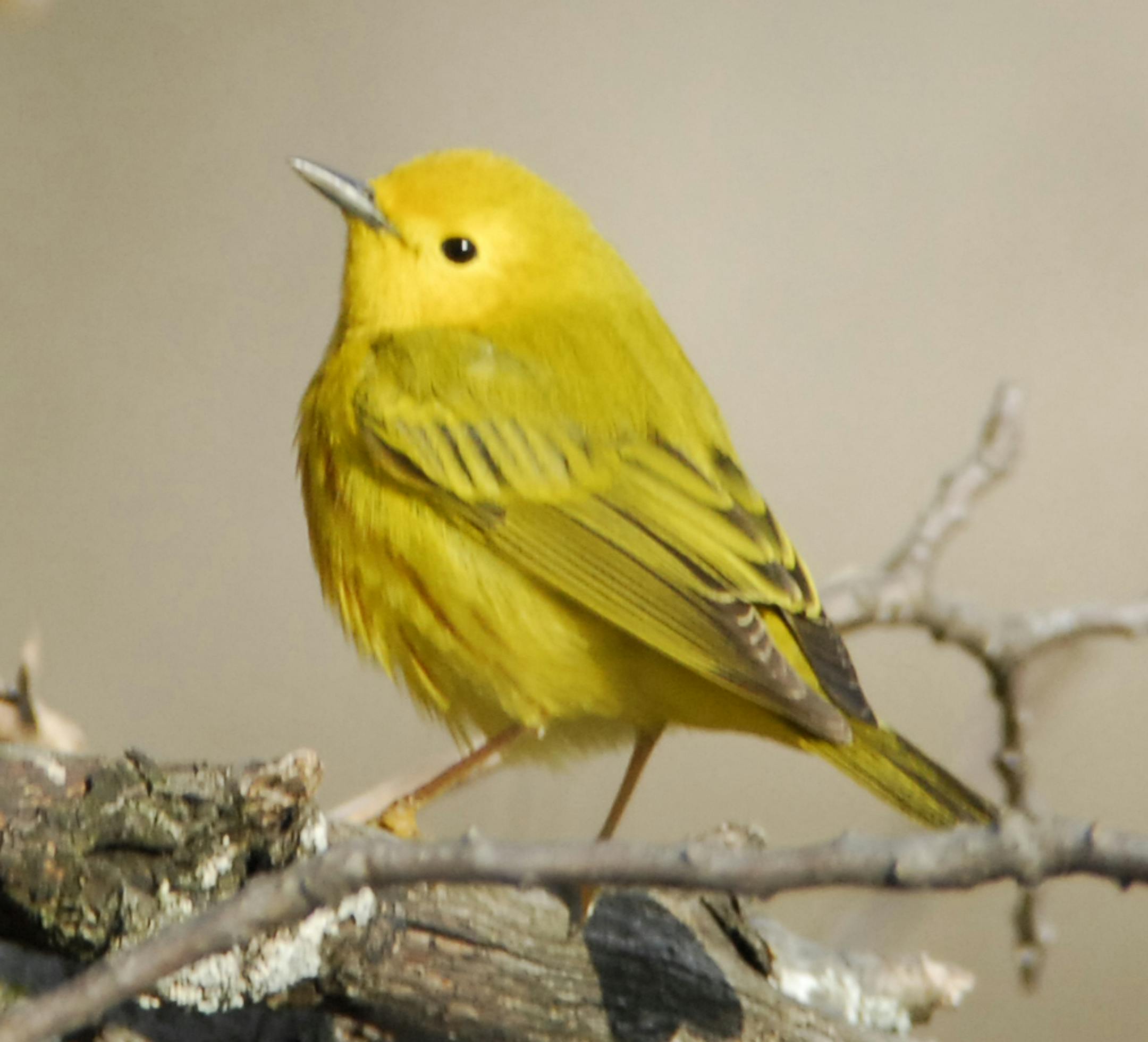
Yellow warblers are common nesters the metro area. Look for them near water, in second-growth trees and shrubby areas. Photo by Jim Williams
Yellow warblers are common nesters the metro area. Look for them near water, in second-growth trees and shrubby areas. Photo by Jim Williams (The Minnesota Star Tribune)
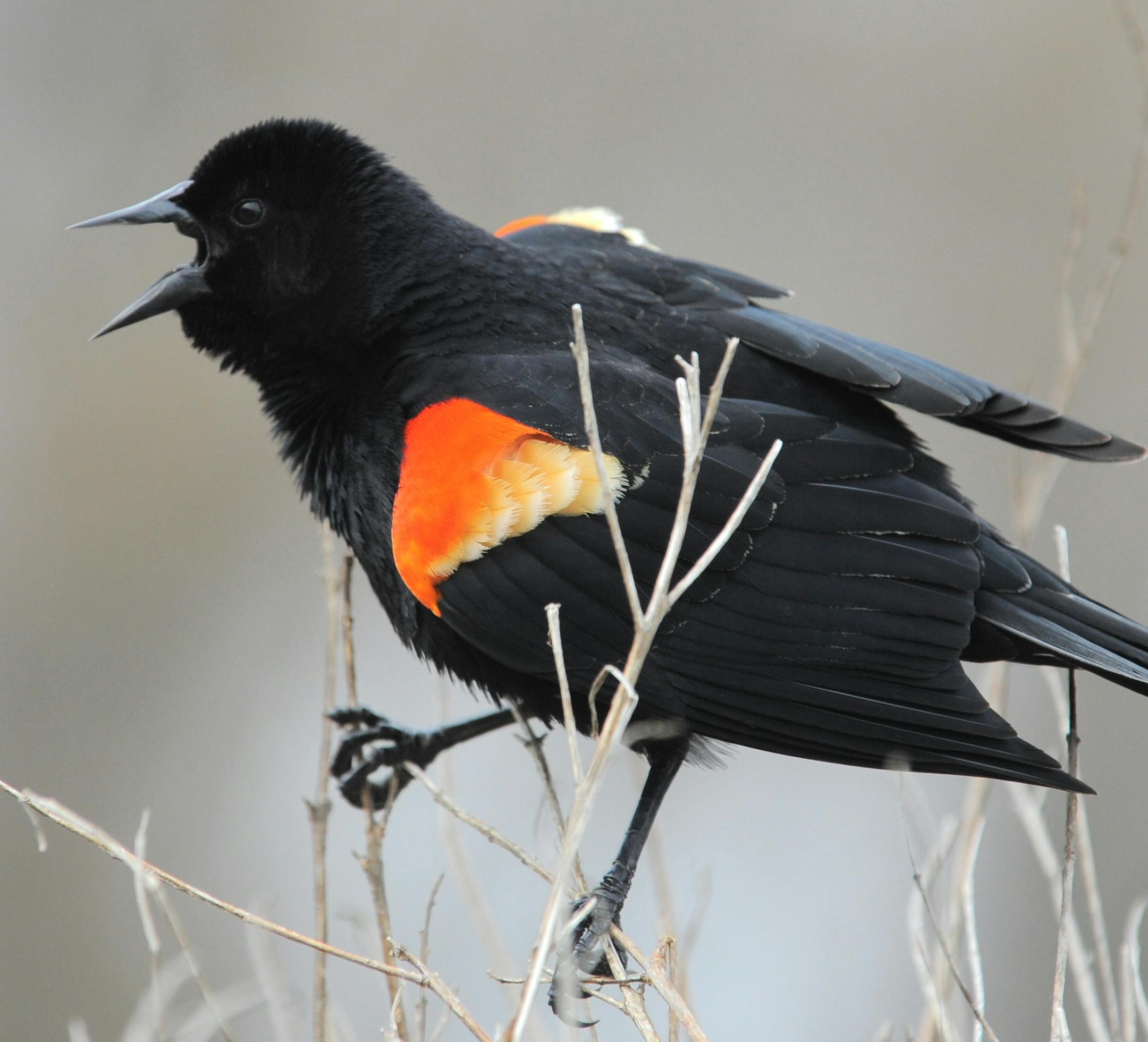
Red-winged Blackbirds travel in flocks. These males soon will each seek its own breeding territory, almost always nesting in cattails.
Photo by Jim Williams
Red-winged blackbirds travel in flocks. These males soon will each seek its own breeding territory, almost always nesting in cattails. Photo by Jim Williams (The Minnesota Star Tribune)
Yellow-rumped warblers will hawk insects over water, as this bird is doing at Westwood Nature Center in St. Louis Park. They almost always are the first of the warbler family to be seen here in the spring.
Photo by Jim Williams
Yellow-rumped warblers will hawk insects over water, as this bird is doing at Westwood Nature Center in St. Louis Park. They almost always are the first of the warbler family to be seen here in the spring.Photo by Jim Williams (The Minnesota Star Tribune)
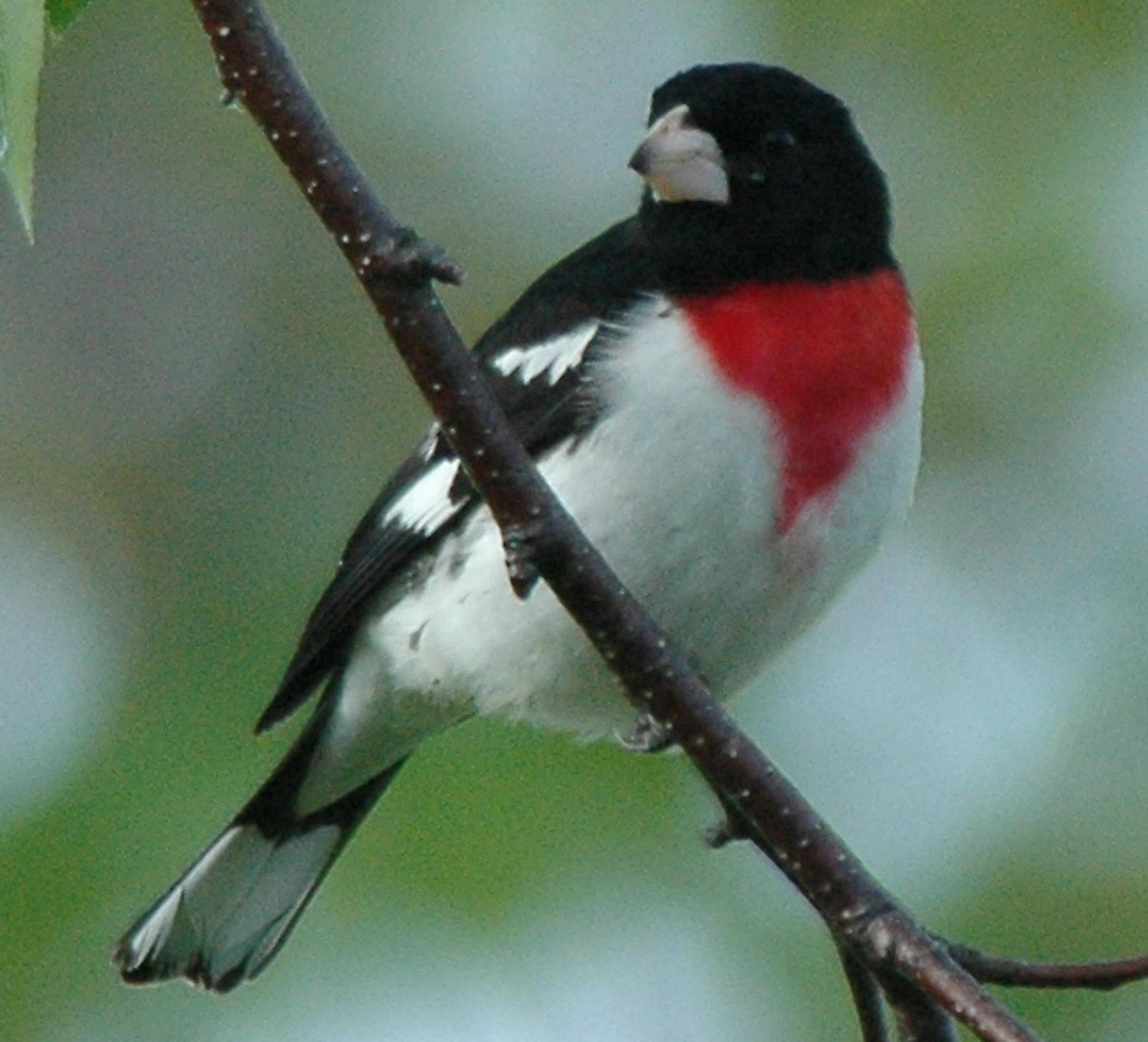
Rose-Breasted Grosbeak
Photo by Jim Williams
Rose-breasted grosbeak Photo by Jim Williams (The Minnesota Star Tribune)
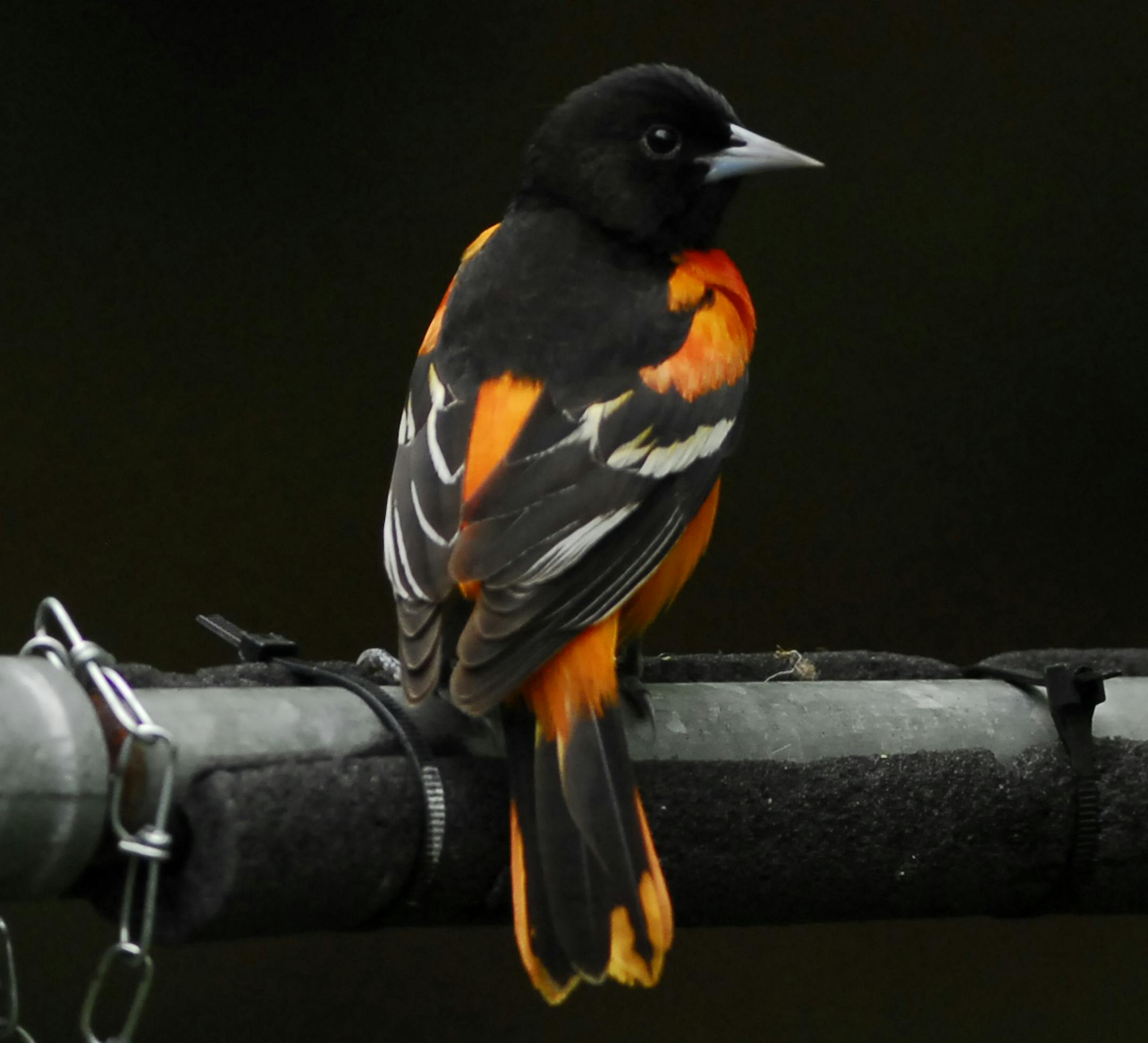
Male Baltimore orioles are boldly marked with black and orange. Females have the orange breast without the black head. Put out feeders as soon as you see or head the first returnee. Keep feeders clean and filled.
Photo by Jim Williams
Male Baltimore orioles are boldly marked with black and orange. Females have the orange breast without the black head. Put out feeders as soon as you see or head the first returnee. Keep feeders clean and filled.Photo by Jim Williams (The Minnesota Star Tribune)
about the writer

about the writer

Jim Williams