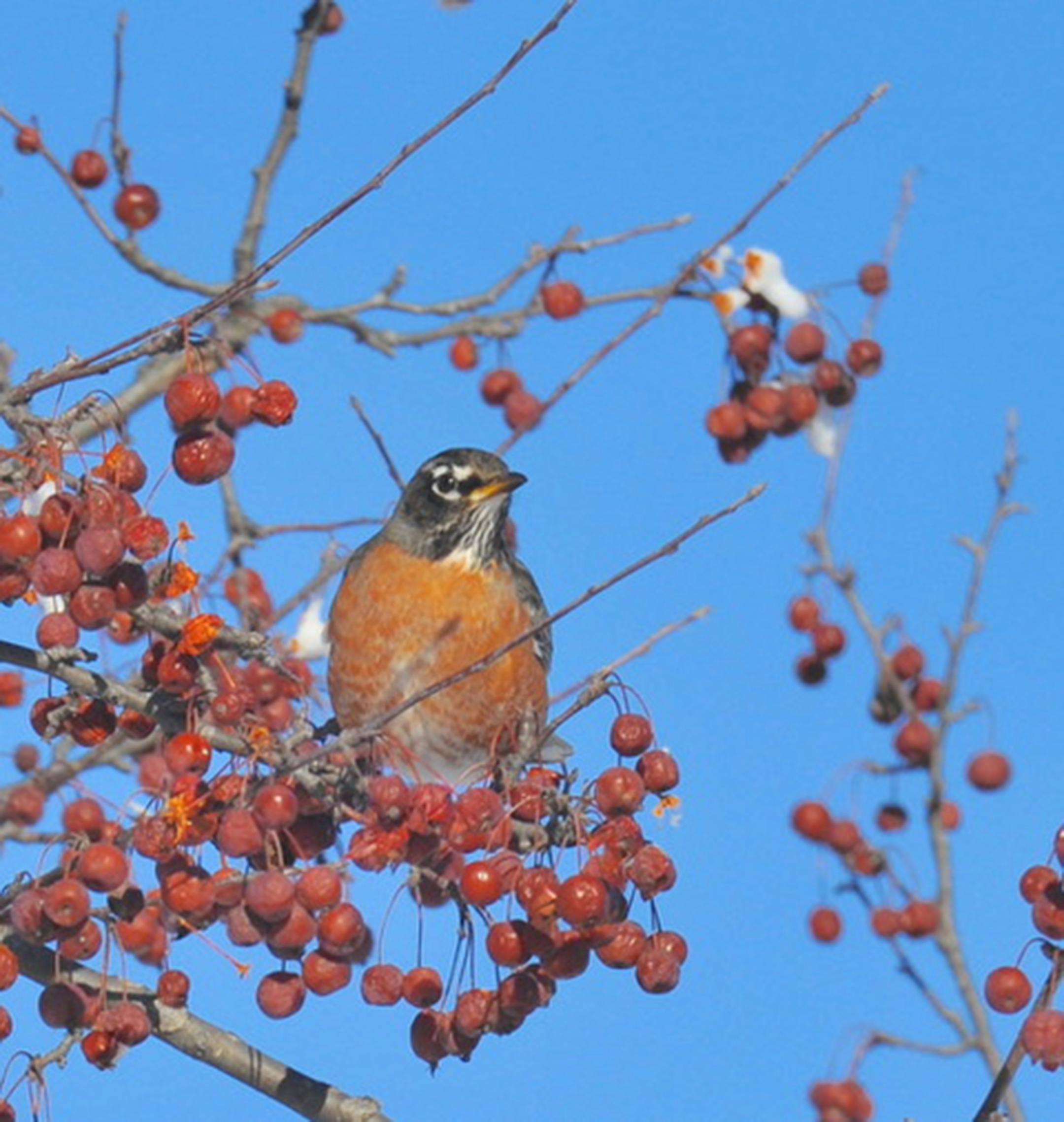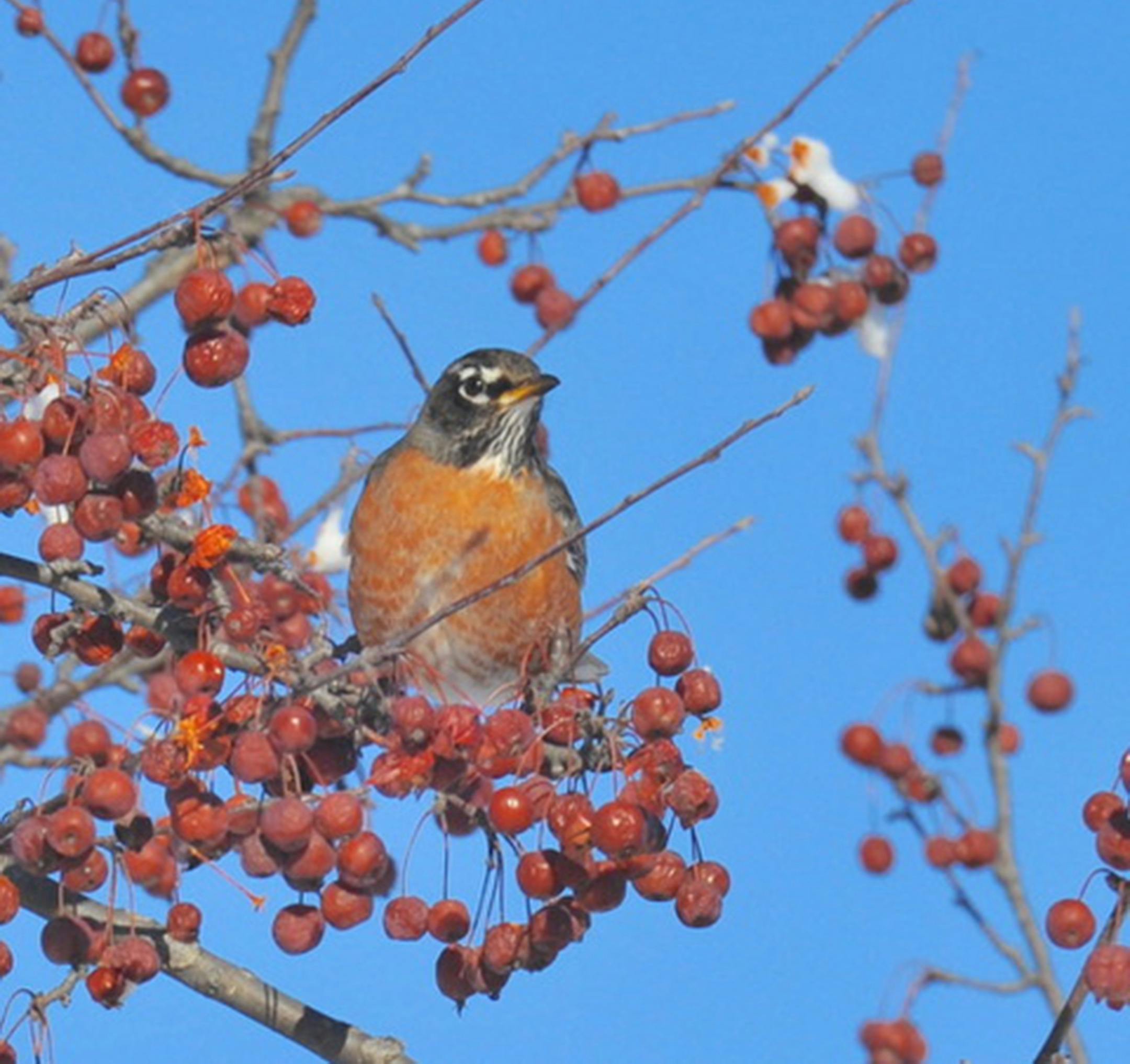
Q: I swear I saw several robins in a tree in a city park in December and then several days later two bluebirds landed at my birdbath. Did they miss migration and are they in danger?
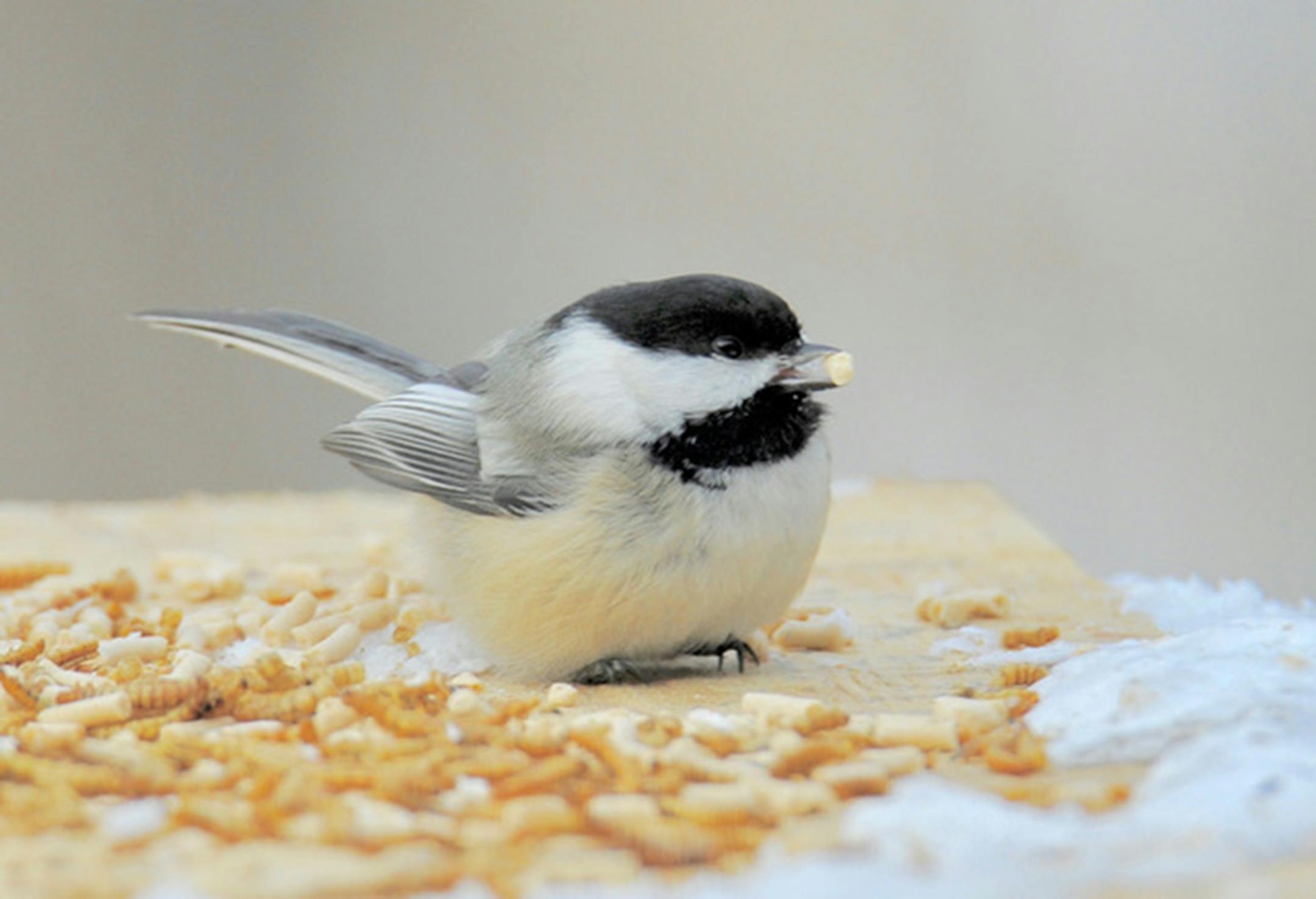
A: I don't think you need to worry about either species of thrush. As long as they can find enough food — and at this time of year, that usually means fruit — they'll survive our winter just fine. As winter nights become warmer, more and more robins and bluebirds remain in our area, moving around nomadically from berry bush to hackberry tree to crabapple to feed. Some people who enjoy regular visits by these birds will set out suet bits or mealworms for them. I sometimes put out chopped raisins or craisins for winter robins (but squirrels eat most of this).
Feeder gobblers
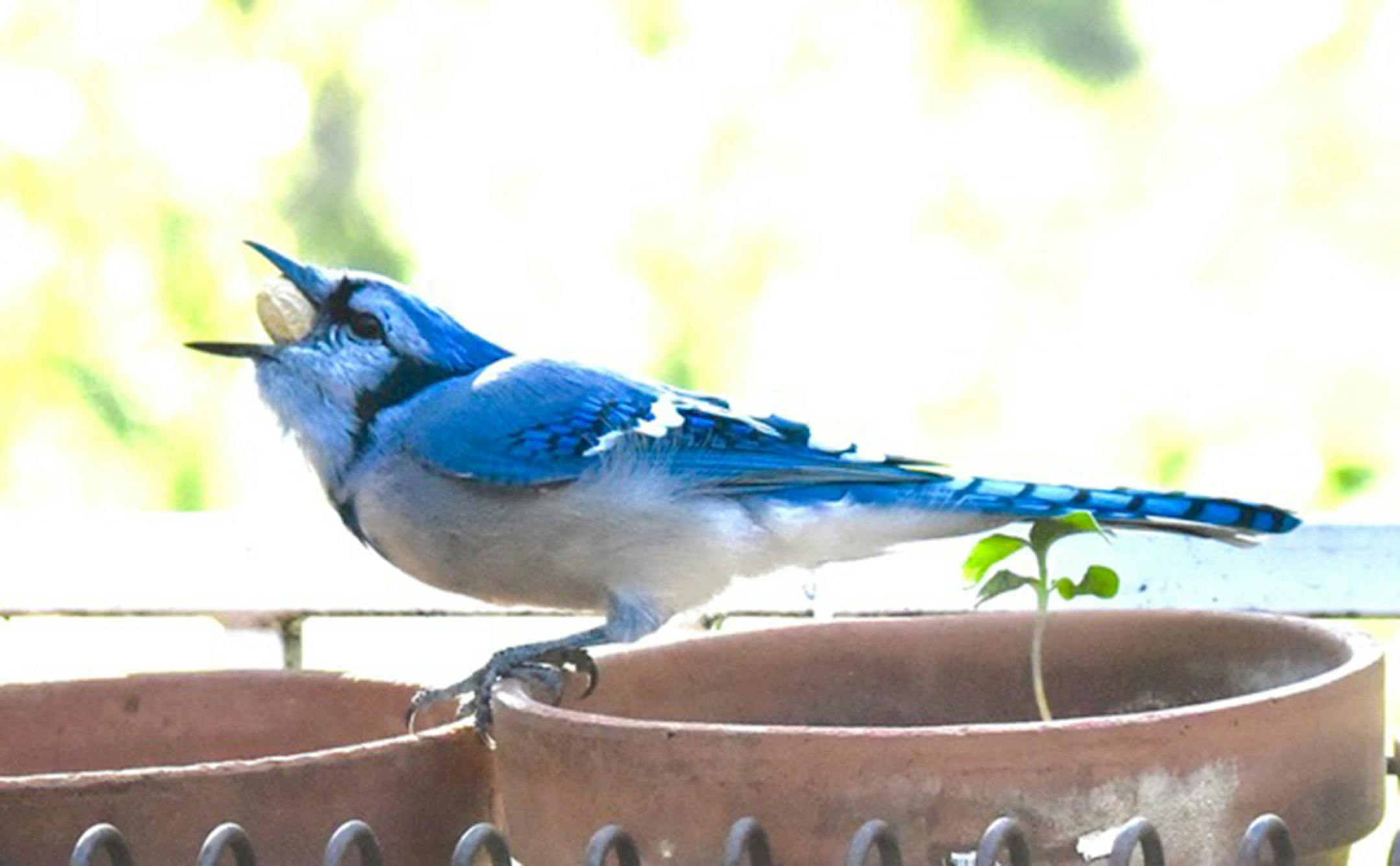
Q: Blue jays gobble up to 25 black oiler seeds at a time at my feeders. Where do these seeds go, into their crop or their stomach, and then what happens?
A: That's an excellent question, and blue jays do seem to take a great deal of food at one time from our feeders. In the case of your sunflower seeds, the jays are packing these into their throat pouches, called gular pouches, and carrying them off to hide around the neighborhood for later consumption. To eat them, they'll take one seed at a time, then land on a branch, hold the seed with a foot and hammer the shell open with their beak.
Diving mallards
Q: Walking around a local lake, I saw a male mallard dive under the water twice. I thought they only tipped forward to feed?
A: You're right, mallards are called dabbling ducks, meaning they tip head down-tail up in the water to find food. But I'll bet you were seeing a mallard giving himself a bath. They often immerse themselves in the water at bath time. Another possibility is that he was diving after food, I recently saw a small flock of mallards doing this in a channel in Shoreview.