If your bird ID book, by any author, opens with the loon family, you're out of date. The loon position in identification books changed some years ago. Not that I noticed.
A committee of the American Ornithologists' Union (AOU) moves species groups around when new science makes that necessary, updating its list. Eventually, book publishers follow suit.
It's all about DNA and relationships of one bird family group to another. The latest list was published in July, based on recent research.
This has no impact on most of us, particularly those of us who continue to use old guide books. I use a year 2000 Sibley guide. It's out of date, like my dusty Peterson books, some dating to the 1960s.
If, however, yours is a more recent book, ducks greet you at the door.
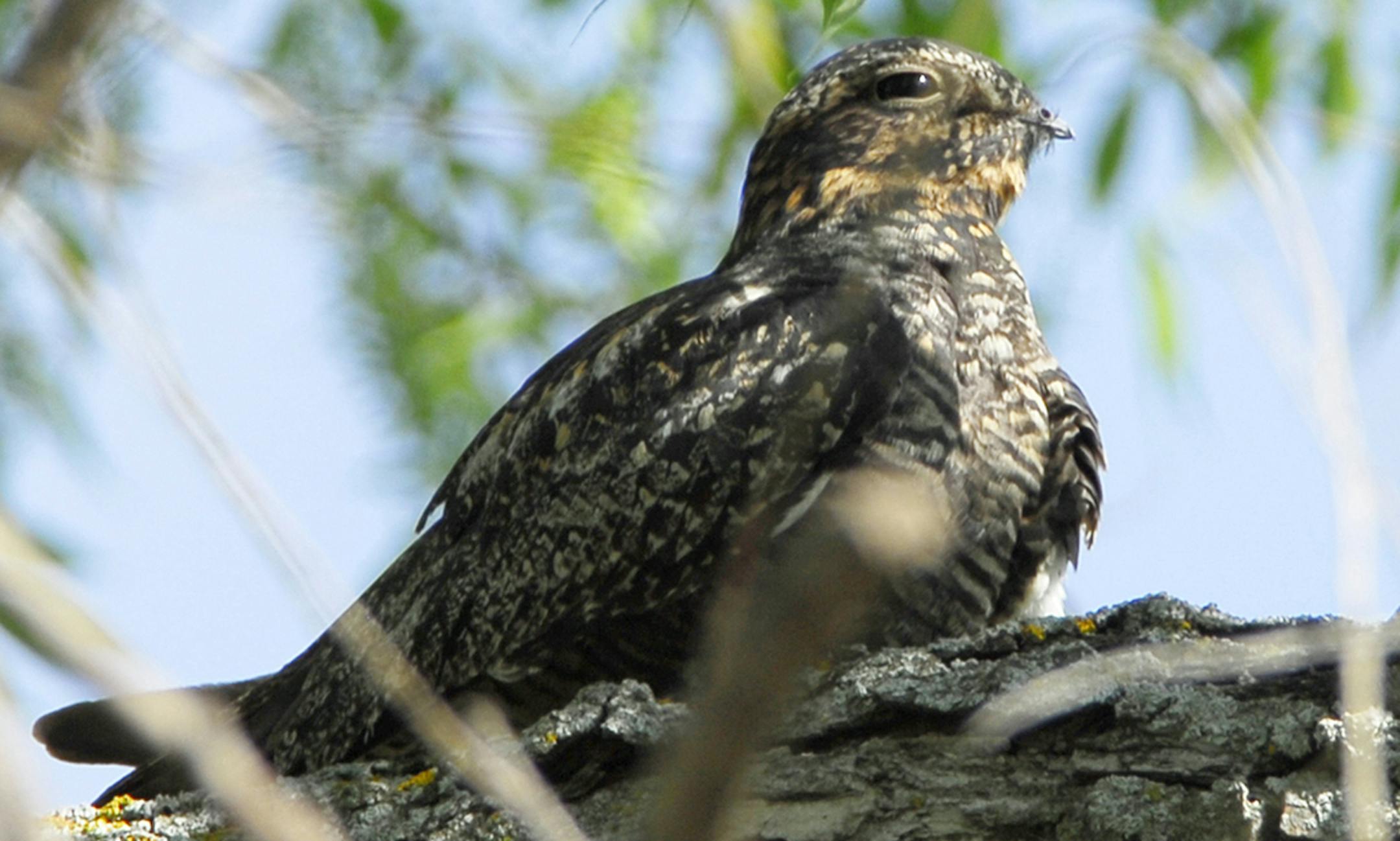
The checklist for the American Birding Association, following AOU work, runs from ducks through 25 bird families before hitting loons. Included is a family called goatsucker, the most interesting name in an otherwise straightforward list. (More on that in a moment.)
In the July announcement, some scientific names were changed. Some common names were changed. Some species have been lumped together — two or more species found to be so similar that they now share not only genetics but also a name. Other species have been split, genetics making one species into two or more.
Lumping and listers
This is all official business, insider stuff. The birds in the new books look the same; your book certainly remains useful. I could use my antique Peterson guides without much problem.