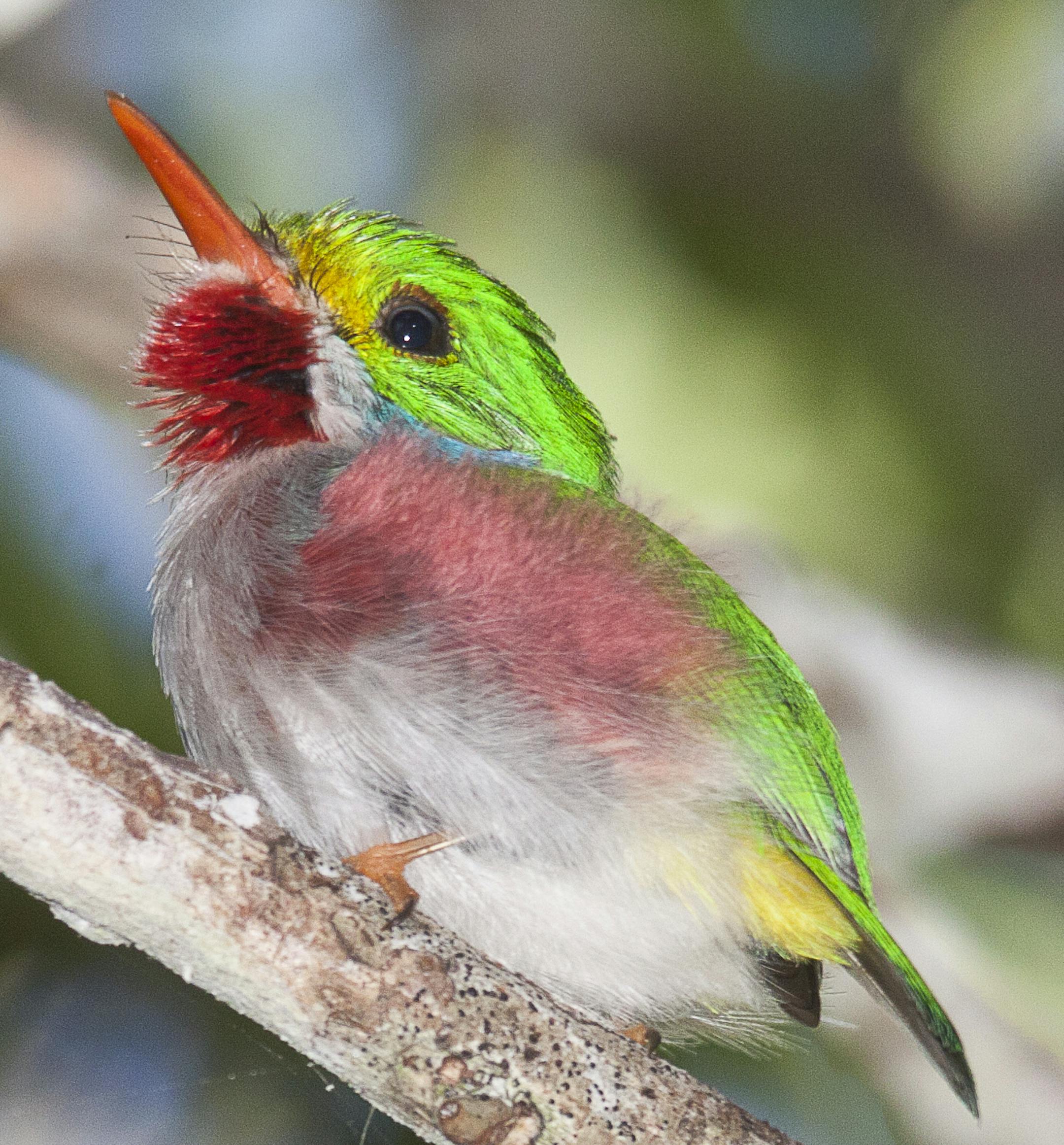
A small iridescent green bird, its bright red throat framed in blue, flits from shrub to shrub, oblivious to the fact that the nearby limestone caves once sheltered the legendary Che Guevara and his troops.
This is Cuba.
As our Chinese-manufactured tour bus bumped over dirt roads in a small town, a woman chatted on a cellphone from her seat in a horse-drawn cart.
This is Cuba, too.
Eager to see such sights, a group of 12 bird-watchers and photographers, most of us Minnesotans, jumped at a rare chance to travel to the Caribbean island in March. A map shows 240 miles separating Miami and Havana, but due to bitter political realities, our two countries are much further apart. Because of the U.S. embargo imposed in 1962, very few Americans have been allowed to travel to Cuba during the past 50 years. Even though restrictions have eased a bit, it's still not easy to gain approval for Cuba travel: A tour to conduct bird surveys under the auspices of the Caribbean Conservation Trust (see box), under a license granted by the U.S. Treasury Department, was our ticket into this fascinating country.
Unique birds
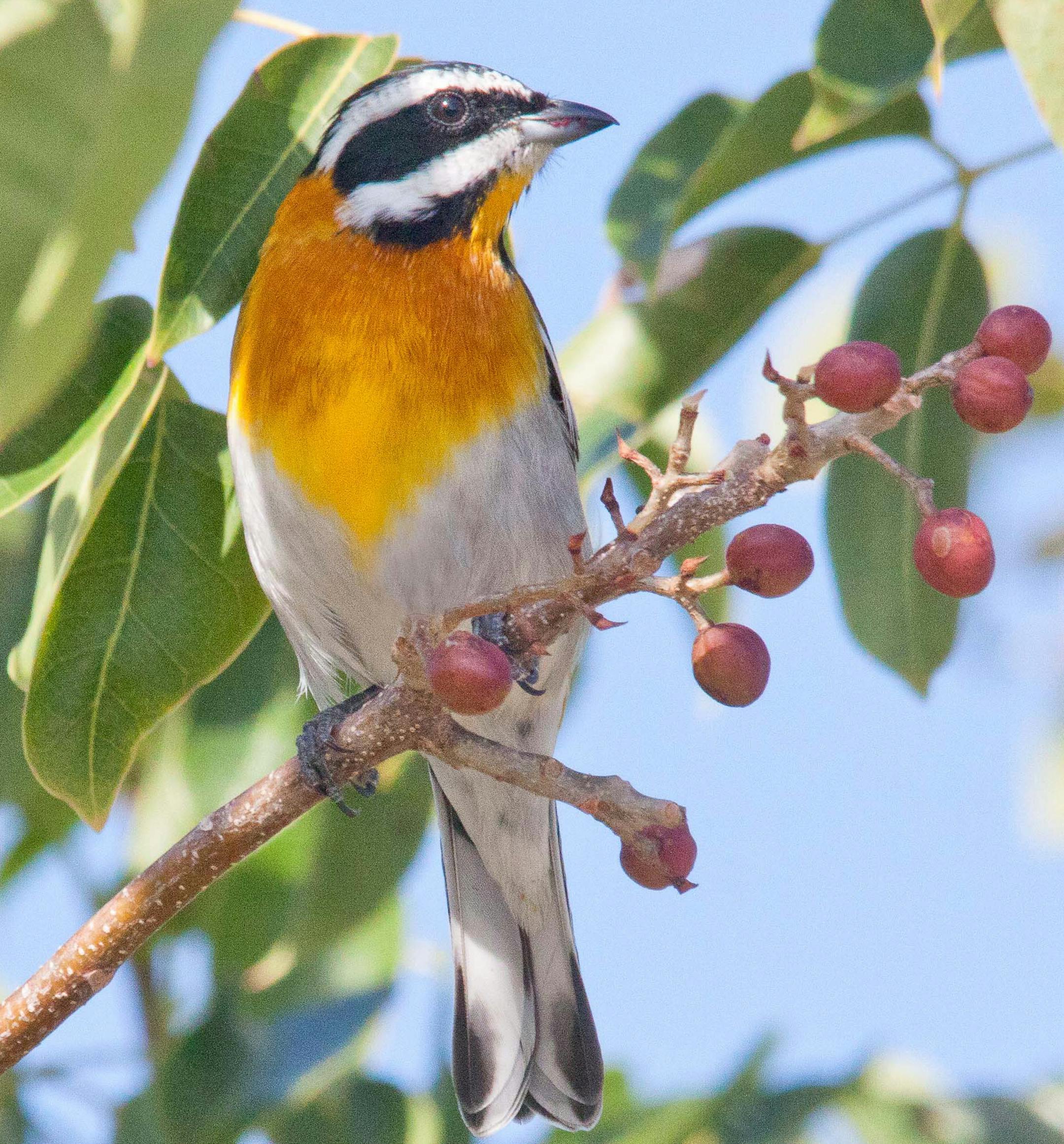
Cuba has a high number of birds found nowhere else in the world — 26 species are unique to this 750-mile-long island — and these were the birds we were most eager to see on our surveys. Such birds are called endemics in ornithological circles and here's a figure for comparison's sake: The continental United States has only 15 endemic species over a vastly larger land mass.
The Cuban tody was the little green bird lurking near the limestone caves, very easy to spot as he gave his rapid staccato call. We were fascinated by the vibrantly colored bird but also by the whiff of recent history provided by our Havanatur guide's tale of Guevara and his troops holing up here during the Cuban Missile Crisis in the early 1960s.
(This kind of juxtaposition cropped up frequently during our tour. We visited sites whose spectacular natural beauty was steeped in history and the ghosts of the country's recent past. And we often felt like time-travelers, as we passed scenes from another century — farmers plowing fields with teams of oxen and horse-drawn carriages moving down the side of the highway.)