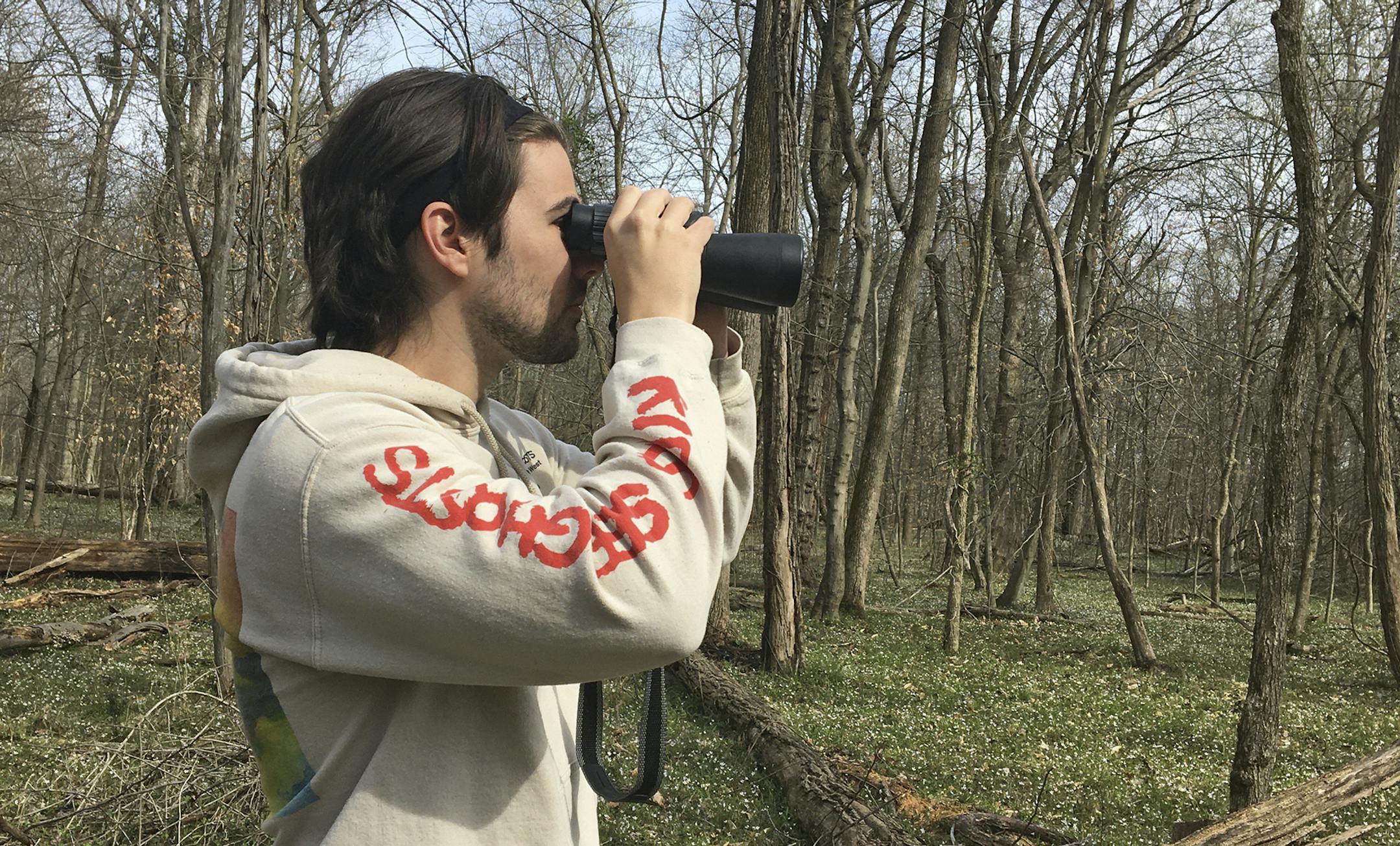
Conner Brown, a 25-year-old law student at Stanford University, spent the early days of the pandemic following his brother as he spotted and collected characters in the Pokemon Go mobile game.
Then, Brown noticed the birds.
"I thought, 'Why don't I take up birding?' It's like real-life Pokemon Go. It's super-addicting because you can start logging them and you get a little collection. It's really cool," Brown said. He paused, then added, "They should really game-ify it."
Brown, who's living near Annapolis, Md., can now identify 30 bird species. He can recognize the calls of the brown-headed cowbird and cardinal and tell male birds from females. He bought a special set of binoculars that attaches to his iPhone camera, downloaded bird identification and bird-logging apps, and is giving birding advice on Twitter.
"The world of birds is so much more vibrant and active than I'd ever realized, and once I paid attention, it just hit me in the face," Brown said. "It's given me a reason to get out of the house; it's motivated me."
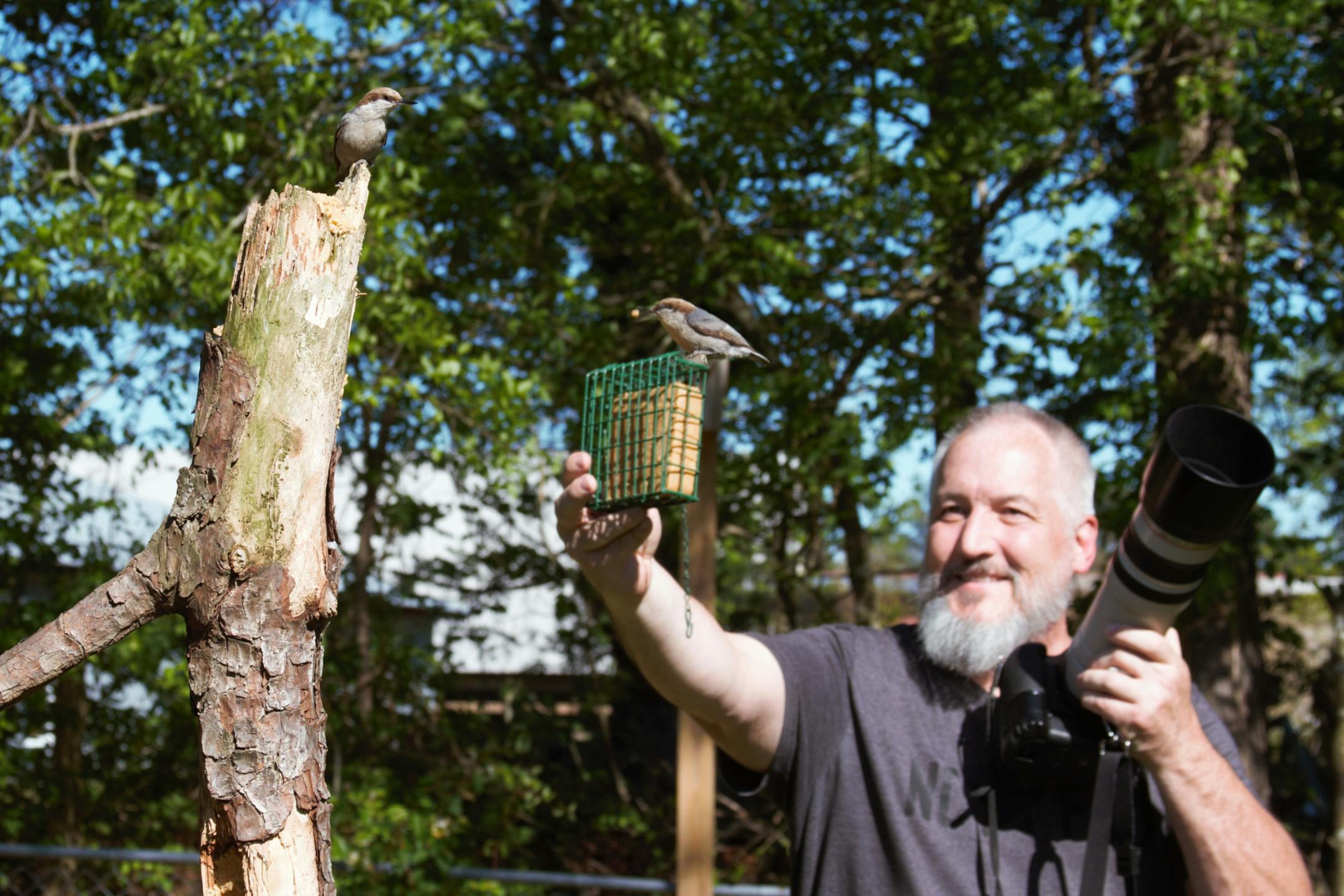
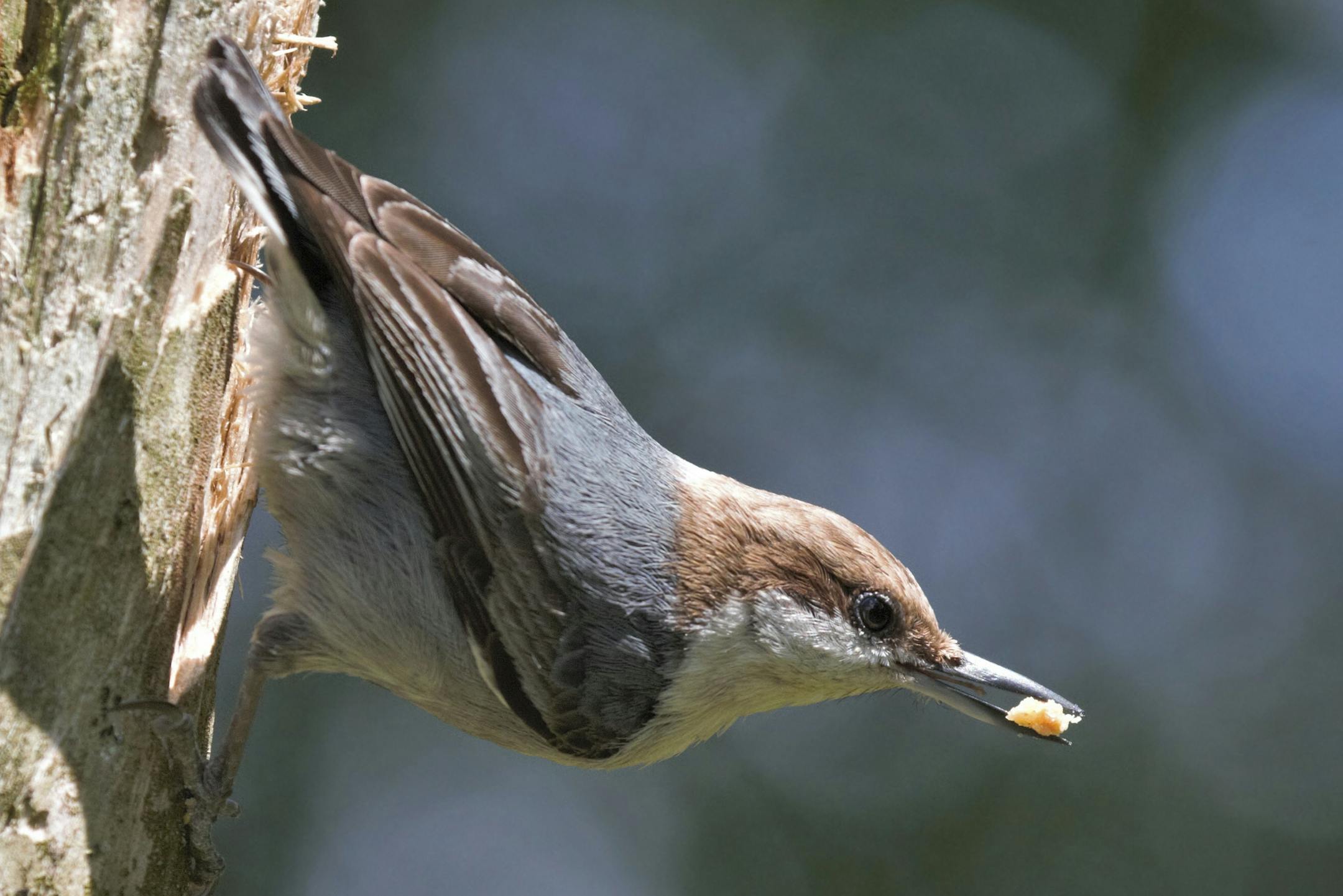
With coronavirus restrictions dragging on, interest in bird-watching has soared as bored Americans notice a fascinating world just outside their windows. Downloads of popular bird identification apps have spiked, and preliminary numbers show sales of bird feeders, nesting boxes and birdseed have jumped even as demand for other nonessential goods plummets.
The trend coincides with peak migration for hundreds of species and nesting season, giving newfound birders a front-row seat to some of nature's biggest shows. Birds are their most active — and noisy — now, and like Brown, many Americans no longer in an office or classroom all day are taking notice.
"The birds don't know that there's a pandemic. They're migrating, building nests and laying eggs, just like they always have," said Michael Kopack Jr., who put up a birdhouse at his home in Angier, N.C., and is watching a pair of bluebirds hatch their eggs.