

Birds disappear in the fall. They reappear come spring. Where from? What happens to them in the meantime?
Aristotle thought small birds called redstarts became robins in winter. In his book "The History of Animals," written about 330 BC, migration was explained as magical transformation.
For all his genius, Aristotle nonetheless also believed swallows hibernated on the ocean floor in the winter. Other people of that era believed birds migrated to the moon and back.
Two thousand years later, in 1676, an Englishman named Francis Willughby got it right. Author of the book "Ornnithologia," he wrote that swallows in the fall went not into hibernation but south to the warmth of northern Africa.
Until recently, while we had solid understanding of migration north and south, questions lingered. Exactly where to? Precisely, where from?
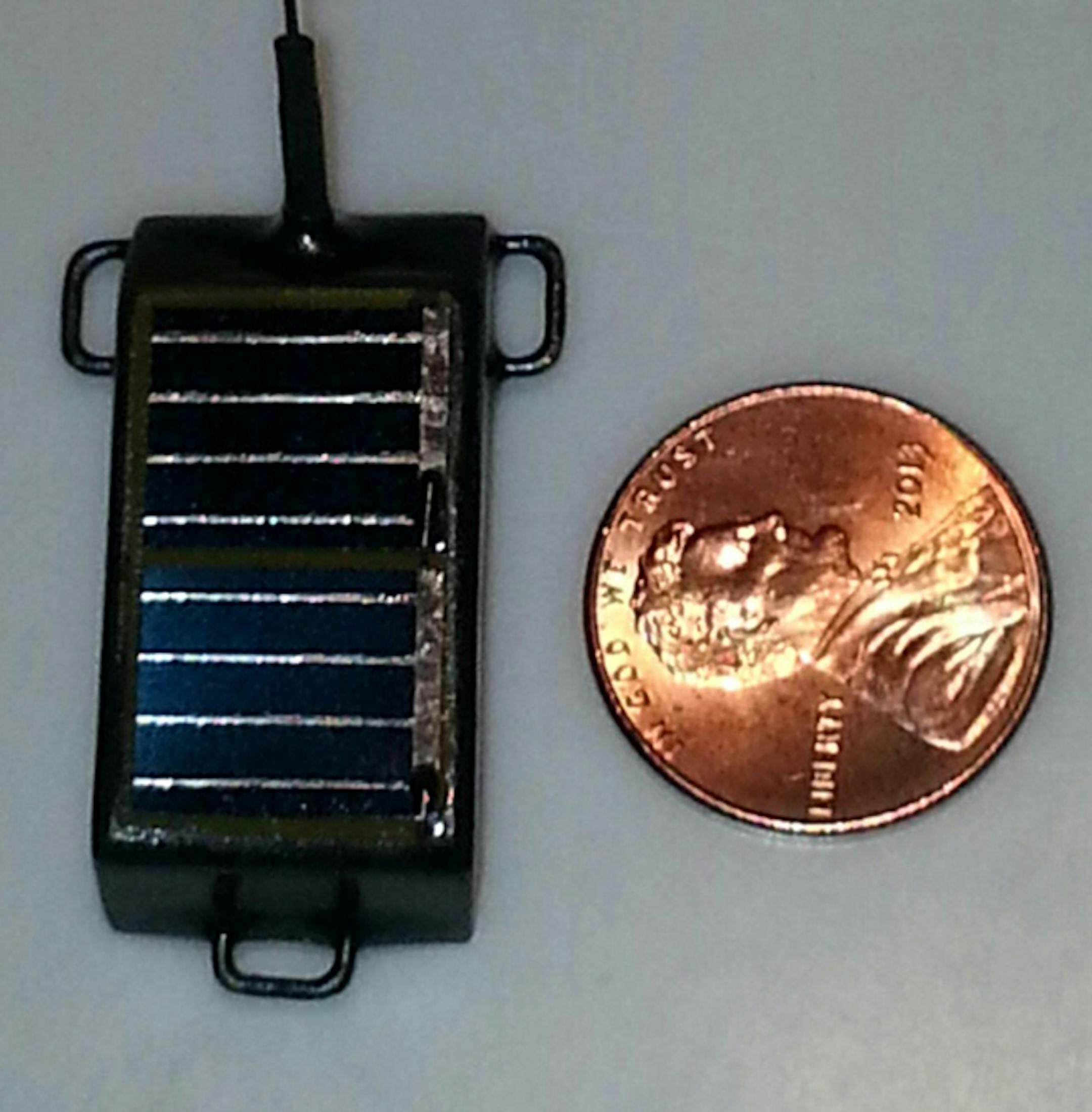
Today, tiny electronic devices let the birds themselves answer the questions. This is real magic.
The tools are satellite transmitters and geolocator tags. Both are small, almost as light as a handful of feathers. Both can be attached to birds. Both collect information, handling it in different ways.
A study of common loons from Minnesota and Wisconsin gives examples of each.


