

Opinion editor's note: Star Tribune Opinion publishes a mix of national and local commentaries online and in print each day. To contribute, click here.
•••
Perhaps we can blame COVID fatigue for numbing us to the risks of other viruses. But it should be bigger news that a bird flu has mutated to spread through mammals and is ominously appearing among wild and domesticated animals around the globe. In the past, the inability to spread from one mammal to another was the barrier that prevented bird flu, H5N1 — which has a 50% fatality rate in humans — from becoming a human pandemic. It's not clear this version, which spread through minks, would be easily transmitted in people, but it has made a step in a dangerous direction.
It's unthinkable to consider lockdowns or mask mandates over some new disease, which is why it's better to take simpler, less costly action early. What matters now is surveillance among farmed animals and giving up particularly dangerous practices. Maybe we just can't have mink coats and cheap eggs.
One reason there so many dangerous animal viruses around now is that the crowded conditions of mass-farmed animals tend to spread viruses — and there has never been more worldwide demand for meat, dairy products and eggs. As one investigation revealed, egg-laying chickens in big operations are genetically identical, have no immunity to influenza and make easy kindling for viral bonfires.
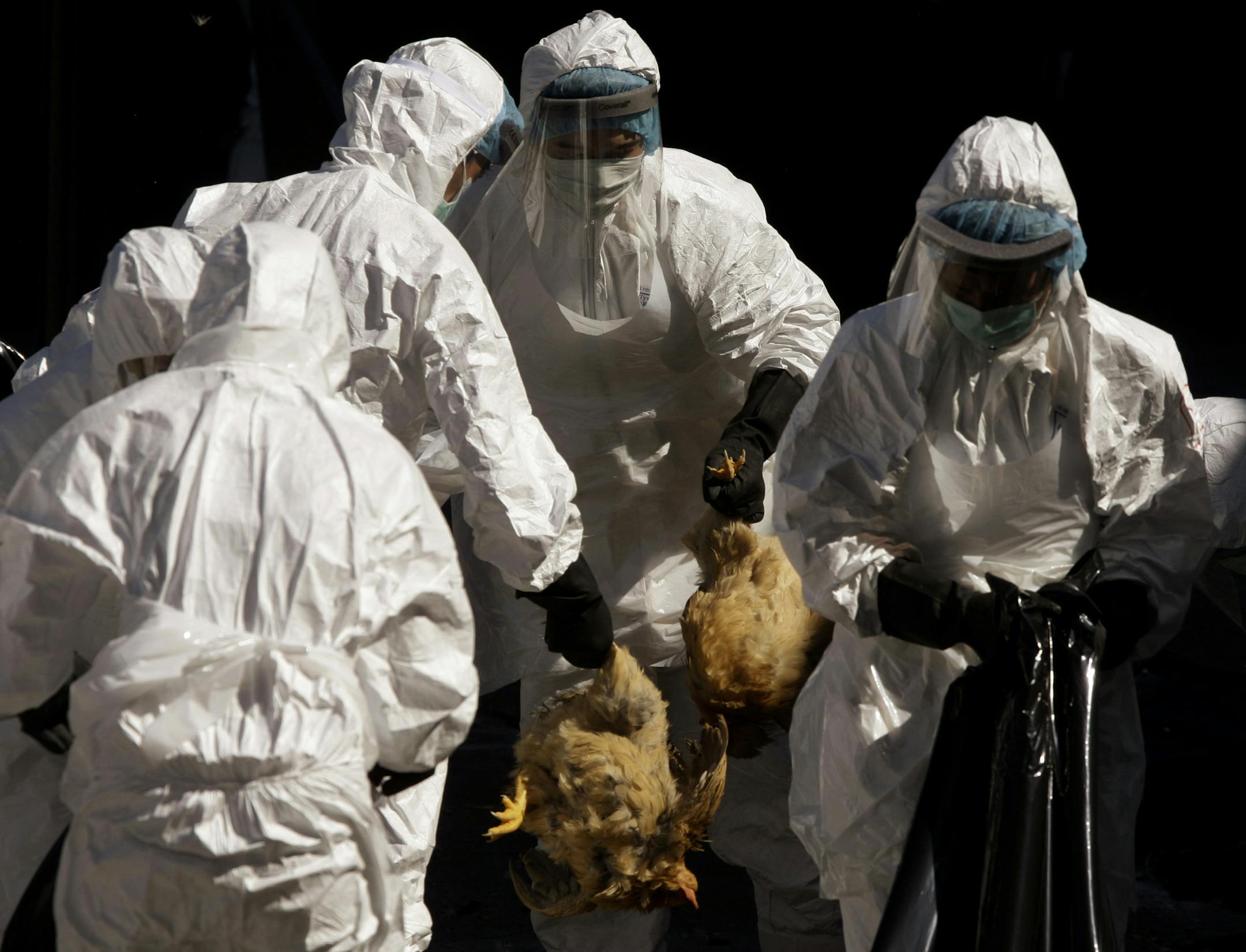
While it might cost money to move to safer chicken farming practices, doing nothing is expensive, too. Last year, egg prices rose as 58 million U.S. birds were destroyed in H5N1 outbreaks.
The outbreak that has spurred the latest fears happened at a mink farm in Spain. "The fact that it spread through the facility is quite concerning," said Jeff Bender, a professor of veterinary medicine at the University of Minnesota.
In this case, the surveillance system worked — the outbreak was identified, people were tested and found to be negative, and more than 50,000 minks were euthanized. But it's not clear all farms around the world are under good surveillance, and since getting a positive test means being forced to kill valuable animals, farmers may have an incentive to avoid it.


