

Opinion editor’s note: Strib Voices publishes a mix of guest commentaries online and in print each day. To contribute, click here.
•••
Every year, St. Paul and Land of Lakes Bird Alliance volunteers search, gather, photograph and document dozens of birds who have struck a building or skyway. Intact carcasses are donated to the Bell Museum for research. Live, injured birds are contained in Chinese food takeout boxes and delivered to the Wildlife Rehabilitation Center where veterinarians evaluate their injuries. Most birds are euthanized due to unsurvivable trauma to their bones and internal organs.
Locals and visitors alike encounter broken necks and splayed wings en route to and outside their place of work, college campuses and prominent Twin Cities landmarks. Custodial workers squeegee the imprints of bird bodies off windows and skyways. University of Minnesota employees fire off frantic emails to our respective organizations reporting multiple dead birds at a campus building, begging us to do something. Office workers call in late to work, heading back to their cars to look for a paper bag or box for a songbird they hope is “just stunned.”
The annual loss of 1 billion birds to window collisions in the U.S. is an ecological catastrophe. However, an underreported consequence of our urban environment’s brutality toward birds is the harm to our individual and collective well-being. When its residents are subjected with regularity to the suffering and death of animals, a city has no basis to tout its livability.
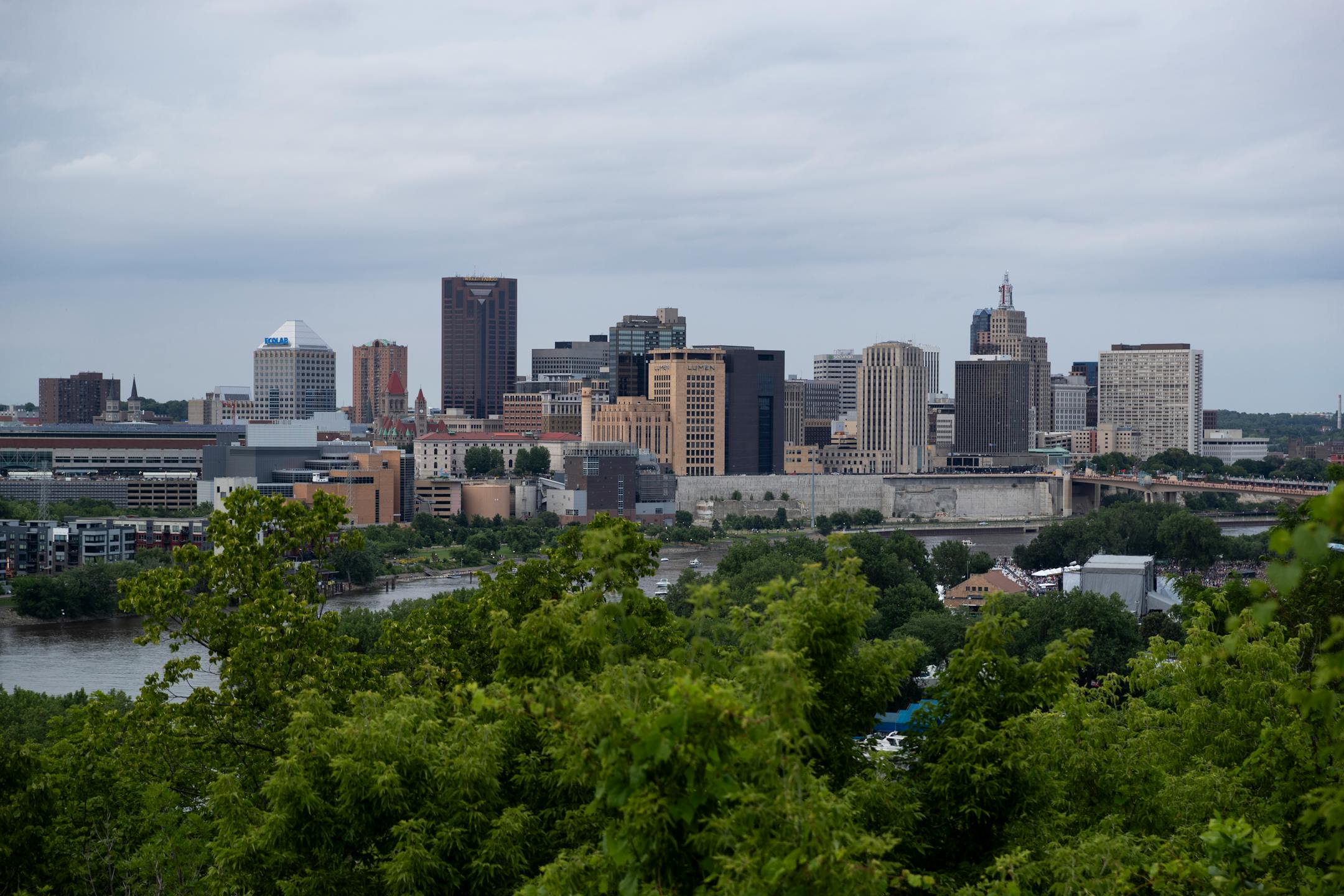
The St. Paul City Council will consider amendments to the Mississippi River Corridor Critical Area (MRCCA) zoning ordinance in November. The proposed version has removed bird-safe requirements from an earlier draft authored by the former city planner. The city administration’s proposed language, which the mayor supports, includes only a recommendation to study a citywide bird-safe policy.
We agree that studies can help local governments make policy decisions based on the best available data. However, there are numerous American cities that have already implemented bird-safe zoning and building codes, including: Madison, Wis.; Evanston, Ill.; Portland, Ore.; Berkeley, Oakland and San Francisco in California; New York City and Washington, D.C. These cities offer an abundance of data, model ordinance language and case studies. More important, they demonstrate the feasibility of bird-safe legislation and reflect a growing consensus that updating building and zoning codes to include protections for migratory birds is a commonsense approach to designing livable cities.
For St. Paul, including bird-safe building features in the zoning ordinance will affect only new construction in the critical corridor area. Furthermore, bird-safe building features comprise less than 1% of total construction costs. State law already requires new construction using state bond funding include bird-safe features, including lighting. The cost of bird-safe building is minimal compared with the positive impact on our urban residents, bird and human alike.


