
Bipartisan group of legislators urges more transparency on major spending bills

April 30, 2016 at 11:09PM
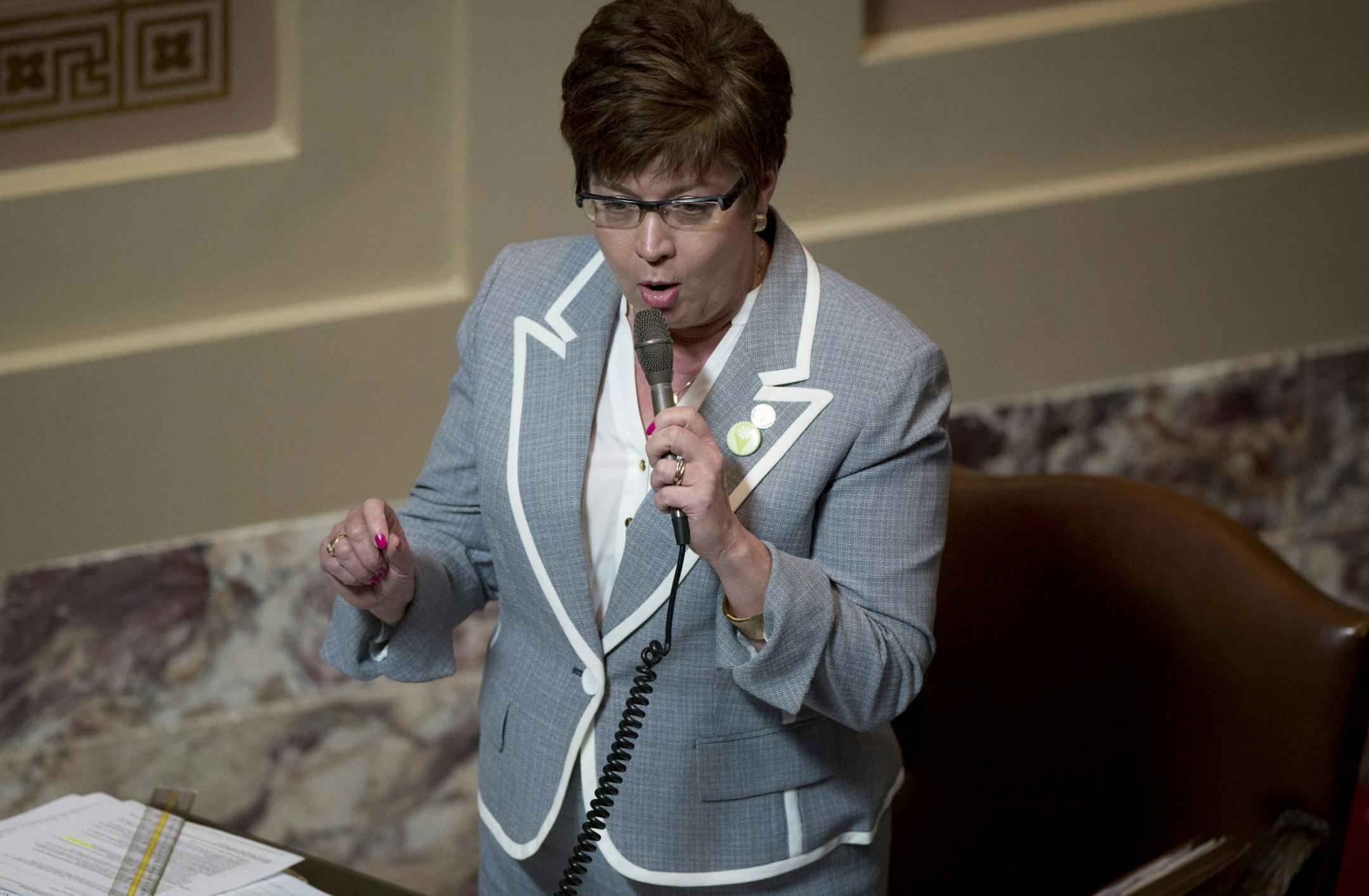
Sen. Carla Nelson, R-Rochester, spoke to the omnibius tax bill on the Senate floor Monday, April 29, 2013. Nelson had expressed some support for the bill because it contained funding for the Mayo clinic expansion but opposed some of the other tax increases in it.
Sen. Carla Nelson, R-Rochester, said late additions to major spending bills is a "vice ... used in both chambers." (Dml - Star Tribune Star Tribune/The Minnesota Star Tribune)

A bipartisan group of state senators is pushing for more transparency and time on major spending bills in the final days of the legislative session.

State Sen. Carla Nelson, R-Rochester, joined four Senate colleagues on Thursday calling on legislative leaders to implement a deadline to require major spending bills to be unveiled within two days of action. A separate resolution would require the major spending bills be made available to legislators by May 17, a week ahead of the adjournment date.

The aim, Nelson said, is to allow legislators and members of the public more time to review major spending measures, or so-called omnibus bills, often unveiled in the final hours of the legislative session.

"It's a bipartisan vice that's used in both chambers," Nelson said.

Nelson said the measures often come as a last-ditch compromise. These bills often are hundreds of pages long and allocate hundreds of millions of dollars.

Often, they are rolled out minutes before adjournment, usually at the end of a marathon final session, when legislators are tired and rushed.

"That does not lead to good government," Nelson said. "Legislators don't have time to read the bills. Most importantly, the public doesn't have time to weigh in."

Legislators are working feverishly to finish their work this session ahead of the mandatory May 23 adjournment. Two conference committees on taxes and transportation, first convened last year, are still active, though progress between House and Senate leaders has been slow.

"We have less than 22 days of session left, and that's if we work seven days a week — and yet we've not seen a conference committee report," Nelson said. "It's very concerning. I'm very fearful we'll have a chaotic end of session."

State Sen. Jeremy Miller, R-Winona, criticized how legislative sessions in many years careen dangerously close to their legal deadlines.

"It's very frustrating because generally what happens … a small number of people at the end of session are the ones making decisions if there's disagreement going into those last few days," Miller said. "The small number of people will make a decision and then they will go back to their respective caucuses and talk to their caucus members about the decision that was made."

Miller said that if legislators had more time to review the final conference committee reports, the legislative process would be far more inclusive. Moreover, rushing to adjourn the session can lead to mistakes.

"Oftentimes there are unintended consequences in those bills," he said, noting that when legislation is unveiled just hours before a floor vote, "it's just physically impossible to read the entire bill before you vote on it."

Miller, co-chairman of the Legislature's so-called Purple Caucus, a group of Republicans and DFLers, said members of his group supported the resolutions.

Though it's unlikely to be approved this year, Miller said the effort should spur future debate. "We're laying the foundation for this to be a topic of conversation next year," he said.

about the writer

about the writer

Ricardo Lopez

Reporter

See Moreicon

More from No Section

See More
FILE -- A rent deposit slot at an apartment complex in Tucker, Ga., on July 21, 2020. As an eviction crisis has seemed increasingly likely this summer, everyone in the housing market has made the same plea to Washington: Send money — lots of it — that would keep renters in their homes and landlords afloat. (Melissa Golden/The New York Times) ORG XMIT: XNYT58
Melissa Golden/The New York Times

It’s too soon to tell how much the immigration crackdown is to blame.